
Lung Cancer Treatment in Ahmedabad: Symptoms, Stages and Treatment
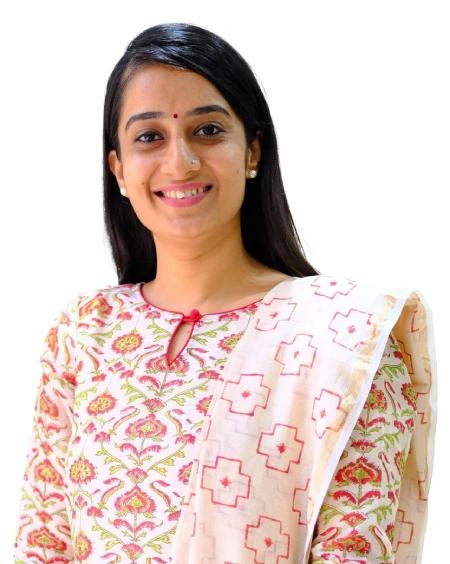
By Dr Ekta Vala Chandarana, Senior Consultant Medical Oncologist
Lung cancer: let me explain it simply
Lung cancer is one of the most common cancers in the world, and it is serious. But I want you to know this first: when we find it early and choose the right treatment, results today are much better than before.
Lung cancer starts when some cells in one or both lungs begin to grow without control. They form a lump called a tumour. Over time, the cancer cells can spread to lymph nodes (small glands that filter body fluid) and to other parts of the body, like the bones, brain or liver.
When the cancer starts in the lungs, we call it primary lung cancer. Sometimes cancer starts in another part of the body, like the breast or the colon, and then spreads to the lungs. We call this secondary (metastatic) lung cancer. It is treated like the cancer it started from, so this page is about primary lung cancer.
In India, lung cancer is the most common cancer in men. About 1,03,371 people in India were estimated to get lung cancer in one year, and lung cancer made up 10.6% of all cancers in men (ICMR-NCRP estimates, Indian Journal of Medical Research). It is also the cancer that causes the most cancer deaths in India (GLOBOCAN India fact sheet, IARC/WHO). In Ahmedabad city, lung cancer is the third most common cancer in men (ICMR-NCRP 2020 report, executive summary).
There is no single treatment that fits everyone. It may be chemotherapy, targeted therapy, immunotherapy, radiation or surgery. I choose it for each person based on the type of cancer, its stage, and the genes inside the cancer cells. If you are looking for an oncologist in Ahmedabad, you can get this care right here in your city. You don't need to travel far, and you won't be alone in it.
Types of lung cancer: NSCLC and SCLC
There are two main types. They behave differently and grow at different speeds, so they need different treatment. That is why I plan treatment for each person separately. You can read more in my guide on the difference between small cell and non-small cell lung cancer.
- Non–small cell lung cancer (NSCLC): the most common type. About 80–85% of lung cancers are this type (American Cancer Society).
- Adenocarcinoma (a kind of NSCLC): often seen in people who never smoked, and in women. It usually starts in the outer parts of the lung. It is the most common kind of NSCLC.
- Squamous cell carcinoma (a kind of NSCLC): linked to smoking. It starts in the main airways in the centre of the chest.
- Large cell carcinoma (a kind of NSCLC): less common. It can start in any part of the lung.
- Small cell lung cancer (SCLC): about 10% to 15% of lung cancers (American Cancer Society). It grows faster and is mostly linked to heavy smoking. It spreads quickly, but in the beginning it usually responds well to chemotherapy and radiation.
Symptoms of lung cancer you should not ignore
In the early stage, lung cancer may not cause any signs. As it grows, you may notice:
- A cough that does not go away, or an old cough that changes
- Feeling short of breath, or a whistling sound when you breathe
- Chest pain that gets worse when you take a deep breath or cough
- Coughing up blood (doctors call this hemoptysis)
- Losing weight without trying, losing appetite, or feeling tired all the time
- Chest infections (like pneumonia) that keep coming back
- A hoarse voice, or pain in the bones or back if the cancer has spread
Having one of these does not mean you have cancer. Most coughs are caused by infections, allergy or TB. But if any of these signs last more than two weeks, please don't wait. See a doctor soon. In India, lung cancer is sometimes treated as TB for months before the right test is done, so if TB medicines are not helping, ask about a CT scan. More signs are in my guide on symptoms of lung cancer.
Causes and risk factors of lung cancer
Smoking is the main cause. About 80% of lung cancer deaths are thought to result from smoking (American Cancer Society). This includes cigarettes and bidis. The more you smoke, and the longer you smoke, the higher the risk.
But non-smokers can get lung cancer too. About 10% to 20% of lung cancers happen in people who never smoked (CDC). Other things that raise the risk are:
- Breathing other people's smoke (second-hand smoke)
- Air pollution. WHO lists it as the next most important cause after tobacco (WHO lung cancer fact sheet)
- Smoke from cooking on wood, coal or cow-dung fires in a closed kitchen
- Work with asbestos, silica, diesel exhaust, arsenic or some metals
- Radon, a natural gas from the ground
- A family history of lung cancer, or gene changes passed on in the family
- Past radiation to the chest
What is not proven: lung cancer is not caught from another person, and it is not caused by a cold or cough. Read how family history affects your risk.
Can lung cancer be prevented?
Not every lung cancer can be prevented. But you can lower your risk a lot. The most important step is to not smoke, and to stay away from other people's smoke (American Cancer Society).
No matter what your age or how long you have smoked, quitting lowers your risk of lung cancer and helps you live longer (American Cancer Society). In India you can call the free National Tobacco Quit Line on 1800 112 356 for help to quit (National Tobacco Control Programme, MoHFW).
Other helpful steps: keep the kitchen well ventilated, use a mask and safety gear at work if you handle dust or chemicals, and eat plenty of fruits and vegetables. Vitamin tablets in high doses have not been shown to prevent lung cancer, so please don't depend on them. My page on cancer prevention and early detection has more.
Screening for lung cancer: who should get checked?
India does not have a national lung cancer screening programme for healthy people. So most lung cancers here are found only after symptoms start.
In the USA, the American Cancer Society advises a yearly low-dose CT scan (a CT scan with less radiation) for people aged 50 to 80 who smoke or used to smoke, and who have a smoking history of at least 20 pack-years (American Cancer Society). One pack-year means smoking one packet a day for one year.
If you are a heavy smoker or a past heavy smoker, please talk to me about whether a low-dose CT is right for you. If you have never smoked, a routine chest scan is usually not needed. Instead, watch for the signs above and see a doctor if they last. You can also read about early cancer detection tests.
How lung cancer is diagnosed
If I think you may have lung cancer, the tests usually go step by step. Each step answers one question.
- Chest X-ray and CT scan: show if there is a lump in the lung and how big it is.
- Biopsy: a small piece of tissue is taken to check under a microscope. This is the only way to be sure it is cancer. It may be taken with a thin needle through the chest (CT-guided biopsy) or through the airways.
- Bronchoscopy: a thin tube with a camera goes into the airways through the nose or mouth, to look and take samples. An EBUS (ultrasound on the bronchoscope) can take samples from lymph nodes in the chest.
- PET-CT scan: shows if the cancer has spread to lymph nodes or other organs.
- MRI of the brain: checks if the cancer has reached the brain.
- Biomarker (gene) tests on the tumour: look for changes like EGFR, ALK, ROS1 and PD-L1. These results help me choose targeted therapy or immunotherapy (National Cancer Institute).
- Breathing tests (lung function tests): check if your lungs are strong enough for surgery.
I know waiting for results is hard. I explain each report to you and your family. Read more in how lung cancer is diagnosed and staged.
Stages of lung cancer
The stage tells us how big the cancer is and how far it has spread. It is the most important thing in choosing treatment. For NSCLC we use stages 0 to 4:
- Stage 0: abnormal cells only in the inner lining of the airway.
- Stage 1: a small tumour only in the lung, not in the lymph nodes.
- Stage 2: a bigger tumour, or spread to lymph nodes near the lung on the same side.
- Stage 3: spread to lymph nodes in the centre of the chest, or a large tumour growing into nearby parts.
- Stage 4: spread to the other lung, to fluid around the lung or heart, or to far organs like bone, brain or liver.
Small cell lung cancer is often described more simply as limited (in one side of the chest) or extensive (spread wider).
Stage 1 and 2 are early stages, where surgery may cure the cancer. Stage 3 is locally advanced. Stage 4 is advanced, and we treat it to control the cancer and help you live longer and better.
Treatment options for lung cancer, stage by stage
The right treatment depends on three things: the stage of the cancer, your general health, and whether the cancer has certain gene changes (like EGFR, ALK, ROS1 or PD-L1).
I am a medical oncologist. I plan and give the medicine treatments: chemotherapy, targeted therapy and immunotherapy. Surgery is done by chest (thoracic) surgeons, and radiation by radiation oncologists. We work together and often plan your treatment in a tumour board meeting.
Stage (how I usually treat it):
- Stage 1: Surgery to remove the part of the lung with cancer (lobectomy or wedge resection). Sometimes I add chemo or targeted therapy after surgery.
- Stage 2: Surgery, then chemotherapy. If surgery is not possible, we use radiation.
- Stage 3: Chemotherapy and radiation together. If the tumour cannot be removed by surgery, immunotherapy may be added.
- Stage 4: Targeted therapy or immunotherapy when the cancer has spread. Chemotherapy may also be given to ease symptoms and keep you comfortable.
Today we can match treatment to your own cancer. This helps people live longer, with fewer side effects, even in later stages. Read whether chemotherapy can cure stage 4 cancer to understand treatment goals.
Chemotherapy for lung cancer in Ahmedabad
Chemotherapy (chemo) is still one of the main treatments for lung cancer, especially when the cancer is advanced or cannot be removed by surgery. It is usually given as a drip in cycles, with rest weeks in between.
- Common chemo medicines I use: Carboplatin + Pemetrexed (for non-squamous NSCLC)
- Cisplatin + Gemcitabine (for the squamous type)
- Etoposide + Cisplatin (for small cell lung cancer)
- For some patients, chemo can be taken as tablets, so you can continue treatment safely at home.
Surgery for lung cancer: when is it needed?
Surgery works well for early lung cancer (stage 1 or 2), when the tumour is still in one place. A chest surgeon does it. You can learn more on my page on cancer surgery.
- Lobectomy: removing one lobe (part) of the lung. This is the most common surgery.
- Wedge resection or segmentectomy: removing a small piece of the lung.
- Pneumonectomy: removing the whole lung. This is needed only rarely.
- Keyhole surgery (VATS): uses small cuts, so healing is faster and the scars are smaller.
- Recovery after surgery: most people recover in 2–4 weeks. Breathing exercises and physiotherapy help the lungs get stronger.
Radiation therapy for lung cancer
Radiation therapy uses strong X-rays to kill cancer cells. A radiation oncologist plans and gives it. It is used when surgery is not possible, together with chemo in stage 3, after surgery in some cases, and to ease pain or breathlessness in advanced cancer. A very focused kind called SBRT can treat a small early tumour in people who cannot have surgery.
Targeted therapy and immunotherapy: new hope for advanced lung cancer
If you have stage 3 or 4 lung cancer, I may ask for a test on your tumour to look for certain gene changes.
Targeted therapy: these medicines aim at the exact gene change that is making the cancer grow. Most are tablets taken at home.
- EGFR: Osimertinib (Tagrisso)
- ALK: Alectinib, Crizotinib
- ROS1: Entrectinib
- MET, RET, KRAS: newer medicines for these are now available in India
Immunotherapy helps your own immune system find and attack the cancer cells. When the test shows PD-L1 positive: Pembrolizumab (Keytruda), Nivolumab, Durvalumab. It can be given alone, or together with chemo, for advanced cancer.
These newer treatments have changed a lot. Many people now live longer and feel better, with fewer side effects. You can read more in targeted therapy vs immunotherapy. If a new medicine is being tested, a clinical trial may also be an option.
Side effects of lung cancer treatment, and how we handle them
Every treatment has some side effects. Most of them can be controlled, and most go away after treatment. Please tell me about any problem early, don't wait for your next visit.
- Chemo: nausea, tiredness and hair loss, today we have good medicines to control these.
- Low blood counts from chemo: we manage these with injections that help the blood recover, and with good food. Fever during chemo needs a call to your doctor the same day.
- Targeted therapy: skin rash, dry skin, loose motions or mouth sores. Simple creams and medicines help a lot.
- Immunotherapy: usually mild, but sometimes the immune system can irritate the lungs, gut, skin, liver or thyroid. Tell me about a new cough, breathlessness or loose motions quickly.
- Radiation: tiredness, skin redness, and pain on swallowing for a few weeks.
- Surgery: pain and breathlessness at first, which improve with time and breathing exercises.
Read my guide to managing side effects.
Life after lung cancer treatment and follow-up
After treatment ends, you will come for regular check-ups. At these visits I examine you, ask about new symptoms, and order CT scans from time to time. Visits are more frequent in the first two years, when the risk of the cancer coming back is highest, and then less often.
If you are on targeted therapy or immunotherapy for a long time, follow-up is part of the treatment itself, with scans every few months to see how the cancer is responding.
Staying off tobacco, walking every day, breathing exercises and good food all help your lungs and your energy. See life after cancer and exercises for cancer patients.
Support for you and your family
A lung cancer diagnosis affects the whole family. Feeling scared, angry or low is normal. Please talk about it: with me, with your family, or with a counsellor. You can read living with lung cancer: coping strategies and coping with cancer.
Breathlessness and pain can be eased with good palliative and supportive care, at any stage. Good food keeps you strong: see eating well during cancer treatment.
If you care for someone with lung cancer, look after yourself too: read for caregivers. For working during treatment, see can I work during chemotherapy.
Cost of lung cancer treatment in Ahmedabad
Many families ask me about cost first, and that is completely fair. The cost depends on the stage, the hospital and the medicines used.
Approximate cost of lung cancer treatment in Ahmedabad
| Treatment Type | Approximate Cost (INR) |
|---|---|
| Surgery (Lobectomy) | ₹2.5–4.5 lakhs |
| Chemotherapy (per cycle) | ₹25,000–₹70,000 |
| Targeted Therapy (per month) | ₹80,000–₹2.5 lakhs |
| Immunotherapy (Keytruda, Nivolumab) | ₹2–3.5 lakhs per cycle |
| Radiation Therapy | ₹2–5 lakhs |
Help with the cost of treatment
Many hospitals in Ahmedabad accept Ayushman Bharat, MAA Yojana and private insurance, so you can get help with the cost. Read paying for cancer treatment and is cancer covered under health insurance.
Finding the cancer early usually makes treatment simpler, and less costly.
Where to get lung cancer treatment in Ahmedabad
In Ahmedabad, good cancer hospitals offer:
- Modern scans and tests (PET-CT scan, bronchoscopy)
- Experienced chest (thoracic) surgeons
- Separate units for chemotherapy and immunotherapy
- Tumour board meetings, where doctors from different fields plan your treatment together
As a medical oncologist in Ahmedabad, I treat all types and stages of lung cancer, from early cases that need surgery to cancer that has spread. I follow proven, evidence-based treatment, and I take time to explain every step to you and your family. If you come from outside the city, my guide on traveling for cancer treatment may help.
Questions to ask me (or any doctor) about lung cancer
Write these down and bring them to your visit. There is a longer list in questions to ask your doctor.
- What type of lung cancer do I have: NSCLC or SCLC?
- What stage is it, and what does that mean for me?
- Has my tumour been tested for gene changes like EGFR, ALK, ROS1 and PD-L1?
- What is the goal of my treatment, cure, or control?
- Which treatments do you suggest, and why?
- Will I need surgery or radiation, and who will do it?
- What side effects should I expect, and when should I call you?
- How long will treatment take, and how often will I need to come?
- What will it cost, and can Ayushman Bharat or my insurance help?
- Can I keep working and doing my daily activities?
- Is there a clinical trial that may suit me?
- Should I get a second opinion before starting?
When to see a doctor
Please see a doctor if you have a cough for more than two weeks, cough up blood, feel breathless without reason, or lose weight without trying. This is even more important if you smoke or used to smoke.
If you already have a report that says lung cancer, or a CT scan that shows a lump, you are welcome to come and talk to me. You can also come for a second opinion. Please come early. The sooner we start, the better your chances of good results and a longer life. You can contact my clinic or read what to expect at your visit.
Questions patients ask me
What is the most effective treatment for lung cancer?
It depends on the stage and the type of cancer. Early stages usually do well with surgery. For advanced cancer, targeted therapy or immunotherapy often helps the most.
Is lung cancer curable in stage 1 or 2?
Yes, often. Lung cancer found in an early stage can often be cured with surgery, with or without chemotherapy. Every person is different, so ask your doctor what your own chances are.
How is lung cancer diagnosed and staged?
With a CT scan, a PET-CT scan, bronchoscopy (a thin camera tube into the airways) and a biopsy. The stage tells us how far the cancer has spread. Read more.
What is the cost of lung cancer treatment in Ahmedabad?
Approximately ₹2.5–4.5 lakhs for surgery (lobectomy) and ₹2–3.5 lakhs per cycle of immunotherapy. It depends on the hospital and the medicine. Read more.
Can non-smokers get lung cancer?
Yes. About 10% to 20% of lung cancers happen in people who never smoked (CDC). Pollution, other people's smoke and gene changes can all play a part.
What is the difference between small cell and non-small cell lung cancer?
Small cell lung cancer (SCLC) grows faster and spreads early. Non-small cell lung cancer (NSCLC) is more common and is often found earlier. Read more.
Is surgery necessary for all lung cancer patients?
No. Surgery helps mainly in early stages. Others may need chemo, radiation or targeted therapy instead. Read more.
What are the common side effects of chemo for lung cancer?
Tiredness, nausea and hair loss. Most of the time we can control these well with supportive medicines. Read more.
Can lung cancer be treated with immunotherapy alone?
Yes, in some cases. When the test shows PD-L1 positive, immunotherapy alone (like Keytruda) can work very well.
How do targeted therapies help in advanced lung cancer?
They work on specific gene changes (like EGFR or ALK). They stop the cancer from growing, usually with fewer side effects than chemotherapy.
Sources
The facts and numbers on this page come from these sources. Every person is different, so please talk to your own doctor about what applies to you.
- ICMR-NCRP: Cancer incidence estimates for 2022 and projection for 2025 (Indian Journal of Medical Research)
- GLOBOCAN India fact sheet (IARC/WHO Global Cancer Observatory)
- ICMR-NCDIR: Report of National Cancer Registry Programme 2020, executive summary
- American Cancer Society: What is lung cancer?
- American Cancer Society: Lung cancer risk factors
- American Cancer Society: Can lung cancer be prevented?
- American Cancer Society: Lung cancer screening guidelines
- CDC: Lung cancer among people who never smoked
- WHO: Lung cancer fact sheet
- National Cancer Institute: Non-small cell lung cancer treatment (PDQ), patient version
- National Tobacco Control Programme (MoHFW): Help to quit tobacco
Related articles
- What Are the Common Side Effects of Chemo for Lung Cancer?
- What is the Difference Between Small Cell and Non-Small Cell Lung Cancer?
- What Is the Cost of Lung Cancer Treatment in Ahmedabad?
- How Is Lung Cancer Diagnosed and Staged?
- Living with Lung Cancer: Coping Strategies for Patients and Families
- Symptoms of Lung Cancer: Recognizing the Warning Signs