
Just Diagnosed With Cancer? What to Do Next
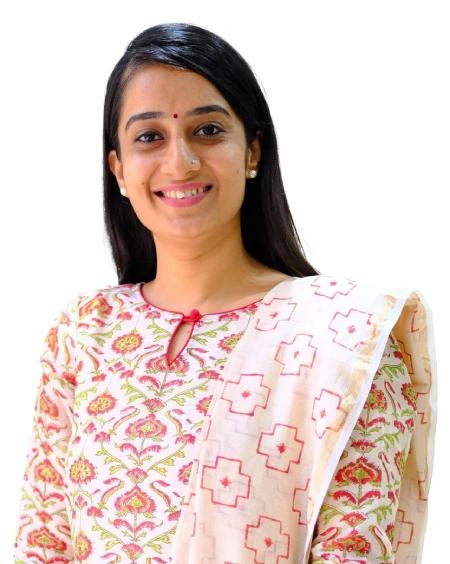
By Dr Ekta Vala Chandarana, Senior Consultant Medical Oncologist
First, take a breath
If you or someone you love has just been told "it is cancer", you may feel shocked, scared or numb. Some people cry. Some people feel nothing at all. All of this is normal.
I want you to know one thing first: you are not alone. Many people sit in my clinic with the same fear on the first day. We will take it one step at a time.
This page explains what to do next, in simple words. Please read it slowly. You don't have to do everything today.
You have time to understand
Many families feel they must decide everything in one day. In most cases, that is not true. There is usually time to collect your reports, ask questions and understand the plan before treatment starts.
Some cancers do need treatment to start soon. Your doctor will tell you if that is the case. But a few days to understand your illness and feel ready is time well spent.
Step one: collect all your reports
Your reports tell the full story of your illness. Keep them together in one file or folder. Keep a photo copy too, and a photo on your phone if you can.
- Biopsy report (also called the histopathology report), this is the most important paper. It tells us what type of cancer it is.
- Scan reports and films or CD: CT scan, MRI, PET-CT, X-ray, sonography or mammogram.
- Blood test reports: including any tumour marker tests.
- Slides and blocks: these are the small glass slides and wax blocks of your biopsy tissue, kept by the lab. Sometimes we need them for more tests. Ask the lab how to collect them if your doctor asks for them.
- Discharge summaries and old prescriptions: from any hospital stay or surgery.
- A list of all medicines you take: for sugar, BP, thyroid, heart or anything else.
Don't worry if some words in your reports are hard to read. I have written a simple list here: cancer words explained. You can also read how cancer is diagnosed.
Step two: questions to ask your doctor
Write your questions down before the visit. In the doctor's room, it is easy to forget. Here are the questions I think every patient should ask:
- What type of cancer is it? Where did it start?
- What is the stage? Stage tells us how big the cancer is and whether it has spread.
- What is the aim of treatment? Is it to remove the cancer fully, to control it, or to ease symptoms?
- What are my treatment options? Surgery, chemotherapy, radiation, targeted therapy, immunotherapy or a mix?
- What side effects can I expect? And what can we do to make them easier?
- How much time will treatment take? How often will I need to come?
- What will it cost, and does my insurance or scheme cover it?
- Who do I call if I feel unwell at home?
There is no silly question. If you don't understand an answer, ask again. A good doctor will be happy to explain it once more.
Bring a family member with you
When you are worried, it is hard to remember what the doctor said. Please bring one or two family members you trust. One person can listen, and one can write notes.
Your family can also ask their own questions. In my clinic, family members are always welcome.
Getting a second opinion is normal
Many patients feel shy to ask for a second opinion. They worry the first doctor will feel bad. Please don't worry about this.
A second opinion means showing your reports to another cancer specialist. It can confirm the diagnosis and the plan, or give you another option. It helps you feel sure about your decision. Good doctors welcome it.
I also see patients who come only for a second opinion. Bring all your reports, and we will go through them together. You can read more in Can I take a second opinion before starting treatment?
Eating, sleeping and staying active
Your body needs strength for the days ahead. Small, simple habits help:
- Eat fresh, home-cooked food in small meals through the day. Include dal, pulses, curd, eggs or paneer for protein, if they suit you.
- Drink enough clean water.
- Try to sleep at regular times. If worry keeps you awake, tell your doctor.
- A short, gentle walk every day helps your body and your mind, if your doctor says it is safe.
- Stop tobacco and alcohol. It is never too late.
For more on food, read what food cancer patients should avoid.
Please be careful of "miracle cures"
When people hear about cancer, they often share advice: a special powder, a juice, a herbal mix or a "guaranteed" cure from someone they know. They mean well. But these things are not proven to treat cancer.
Some of them can even harm you. They can affect your liver or kidneys, or mix badly with your cancer medicines. The biggest harm is delay: losing precious time when proper treatment could help.
Before you take any new medicine, supplement or home remedy, please ask your oncologist first. Never stop or change your treatment on your own. You can read common cancer myths here.
Telling your family and children
You decide who to tell and when. It is your news. Some people tell everyone. Some tell only a few close people at first. Both are fine.
Children often know when something is wrong at home. Hiding it can make them more scared. Use simple, honest words that suit their age: "I am ill. The doctors are giving me medicine to help. It is not your fault, and you cannot catch it from me."
Let them ask questions. Tell them who will look after them on your treatment days. Keep their daily routine as normal as you can.
Looking after the caregiver
The person who cares for you (a husband, wife, son, daughter or friend) also carries a heavy load. They may feel tired, scared or alone, even if they don't say it.
If you are the caregiver: please eat, rest and take small breaks. Share the work with other family members. It is OK to ask for help. You cannot pour from an empty cup.
Read more in caring for the caregiver and how to support a loved one with cancer.
What to do next
When you are ready, call or WhatsApp my clinic on 088668 33843. Bring your reports, your list of questions and a family member.
To know what happens on the day, read your visit, step by step. You can also look up your type of cancer or the treatments I offer, or visit the contact page.
Take it one day at a time. We will walk this path together.
Questions patients ask me
I have just been diagnosed with cancer. What should I do first?
First, collect all your reports in one file, especially the biopsy report. Then meet a cancer specialist (oncologist) who will explain the type and stage of your cancer and the treatment options.
Do I have to start treatment immediately?
Not always. In most cases there is time to understand your illness and ask questions first. Some cancers need treatment to start soon, and your doctor will tell you if yours does.
Is it OK to take a second opinion?
Yes: a second opinion is normal and welcome. It helps you feel sure about your diagnosis and treatment plan. Bring all your reports to the second doctor.
Which reports should I bring to the oncologist?
Bring your biopsy report, all scan reports with films or CD, blood test reports, discharge summaries and a list of your current medicines. If your doctor asks, also collect your biopsy slides and blocks from the lab.
Can herbal or home remedies cure cancer?
No: herbal mixes, powders and juices are not proven to cure cancer. Some can harm your liver or kidneys or affect your treatment. Always ask your oncologist before taking anything new.
Should I tell my children about my cancer?
Usually yes, in simple and honest words that suit their age. Children often sense when something is wrong. Tell them it is not their fault and that they cannot catch it.
What does the stage of cancer mean?
The stage tells us how big the cancer is and whether it has spread to other parts of the body. It helps your doctor choose the right treatment.
How can I book a visit with Dr Ekta?
Call or WhatsApp 088668 33843. Bring all your reports and a family member. You can read what to expect on the 'Your visit' page.