
Targeted Therapy vs. Immunotherapy

By Dr Ekta Vala Chandarana, Senior Consultant Medical Oncologist
Updated September 2025
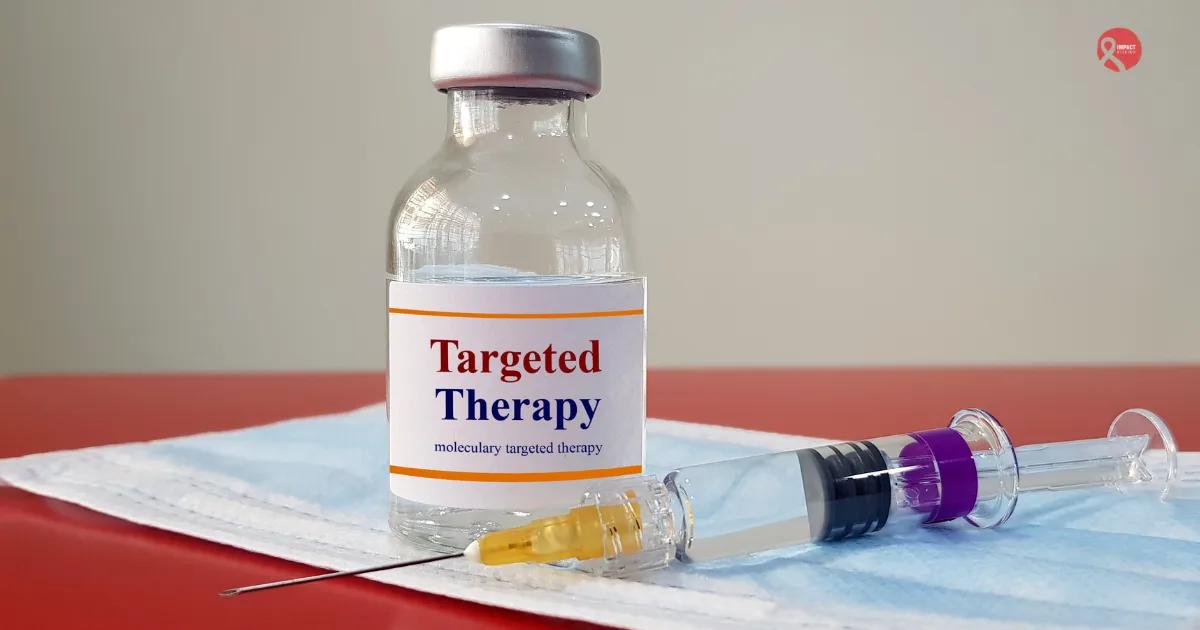
Cancer treatment has improved a lot in recent years. Targeted therapy and immunotherapy are two of the most hopeful new treatments. Both are planned closely for each patient, but they work in very different ways. When you understand the difference, you and your family can make better choices about treatment.
Here I will explain how targeted therapy differs from immunotherapy, which cancers they work best for, their side effects, and what you should keep in mind.
What is targeted therapy?
Targeted therapy is a cancer treatment that attacks certain molecules or signals that help the tumour grow and survive. Chemotherapy affects all fast-dividing cells, healthy or not. Targeted therapy is more selective, so it tries to spare healthy cells.
Key features of targeted therapy
- Aims at a target: it acts on proteins or genes that help the cancer grow.
- Based on tests: we need a gene test of the tumour to know if it will work for you.
- How it works: it blocks growth signals, stops the tumour from making new blood vessels (angiogenesis), or makes cancer cells die (apoptosis).
- Can be combined: often given with chemotherapy, radiation or immunotherapy.
What is immunotherapy?
Immunotherapy uses your body's own immune system (defence system) to fight cancer. It does not attack the tumour directly. Instead, it makes your immune system stronger so it can find and kill cancer cells. Immunotherapy has changed cancer care, especially for tumours that did not respond to older treatments.
Key features of immunotherapy
- Wakes up the immune system: helps T-cells (a type of white blood cell) recognise cancer cells.
- Checkpoint inhibitors: block proteins that stop immune cells from attacking the tumour.
- Long-lasting effect: the benefit can continue even after treatment ends.
- Many types: includes monoclonal antibodies, CAR T-cell therapy and cancer vaccines.
How they work: targeted therapy vs. immunotherapy
| Aspect | Targeted Therapy | Immunotherapy |
|---|---|---|
| Primary Goal | Directly inhibit cancer cell growth | Boost immune system to attack cancer cells |
| Target | Specific genes, proteins, or pathways (e.g., HER2, EGFR, BRAF) | Immune checkpoints (PD-1, PD-L1, CTLA-4) or immune cells (T-cells) |
| Method | Small molecule inhibitors, monoclonal antibodies | Immune checkpoint inhibitors, CAR T-cells, cytokines, vaccines |
| Effect on Healthy Cells | Minimal | Minimal direct effect; immune system may attack healthy tissues (autoimmunity risk) |
| Onset of Response | Often rapid | May take weeks to months for full effect |
| Duration of Response | Limited; resistance may develop | Can be long-lasting due to immune memory |
| Monitoring | Requires genetic testing and biomarker analysis | Monitored via immune response and tumor shrinkage |
Cancers that respond well
Targeted therapy
- Breast cancer: HER2-positive tumours respond to trastuzumab or pertuzumab.
- Lung cancer: EGFR, ALK and ROS1 gene changes are treated with tyrosine kinase inhibitors (tablets that block these signals).
- Melanoma (a skin cancer): BRAF V600E gene changes respond to vemurafenib or dabrafenib.
- Chronic myeloid leukaemia (CML): the BCR-ABL gene change responds to imatinib.
Immunotherapy
- Melanoma: PD-1 inhibitors (nivolumab, pembrolizumab) help patients live longer.
- Lung cancer: non-small cell lung cancer responds to PD-1/PD-L1 inhibitors.
- Renal cell carcinoma (kidney cancer): responds to checkpoint inhibitors.
- Head and neck cancers: some patients benefit from immunotherapy when chemoradiation has not worked.
Note: The choice depends on the tumour's genes, test results and your general health.
Side effects comparison
Both treatments are usually easier than older chemotherapy, but the side effects are different.
Targeted therapy side effects
- Rash or skin problems
- Loose motions (diarrhoea) or stomach upset
- Liver problems
- Tiredness
- Blood clotting problems in some cases
Immunotherapy side effects
- The immune system attacking healthy parts of the body (autoimmune reactions)
- Tiredness
- Skin rash or itching
- Hormone problems (thyroid or adrenal gland)
- Rarely, swelling in organs (lungs, liver, colon)
My advice: Close check-ups by your oncologist help catch and manage side effects early, with both treatments.
Choosing between targeted therapy and immunotherapy
The choice between targeted therapy and immunotherapy depends on a few things:
- Tumour gene report: gene testing guides targeted therapy.
- Your immune system: immunotherapy needs an immune system that works well.
- Type and stage of cancer: some tumours respond better to one treatment.
- Past treatments: chemo or radiation given before may affect the choice.
- Your wishes and daily life: how often you need to come, side effects and convenience.
Combining both therapies
New research shows that using targeted therapy and immunotherapy together may work better for some cancers:
- Melanoma: BRAF-targeted therapy followed by checkpoint inhibitors helps patients live longer.
- Lung cancer: tyrosine kinase inhibitors with PD-1 inhibitors are still being tested in trials.
- Renal cell carcinoma: combining treatments gives better response than one treatment alone.
The main point: combined treatment is planned for each person and watched closely by the cancer team.
Targeted therapy vs. immunotherapy
| Feature | Targeted Therapy | Immunotherapy |
|---|---|---|
| Mechanism | Blocks specific cancer pathways | Stimulates immune system |
| Onset of Action | Rapid | Slower but potentially durable |
| Side Effects | Rash, diarrhea, liver toxicity | Autoimmune reactions, fatigue, organ inflammation |
| Best For | Genetically defined tumors | Immune-responsive tumors |
| Combination Potential | With chemo or immunotherapy | With targeted therapy or chemo |
| Duration of Response | Limited; resistance possible | Long-lasting due to immune memory |
FAQs: targeted therapy vs. immunotherapy
Can a patient receive both targeted therapy and immunotherapy?
Yes: in some cancers, using both together gives better results, as planned by your oncologist.
Which therapy has fewer side effects?
Both are usually easier than chemo, but the side effects differ. Targeted therapy usually affects certain organs. Immunotherapy can make the immune system attack healthy parts of the body.
Is genetic testing required for targeted therapy?
Yes: a biomarker or gene test of the tumour is needed to choose the right targeted medicine.
Can immunotherapy cure cancer?
Sometimes. In some patients it keeps the cancer away for a long time, especially in melanoma and lung cancer, but results differ from person to person.
How long does it take to see results?
Targeted therapy often shrinks the tumour quickly. Immunotherapy may take weeks to months to show its full effect.
Key takeaways
- Targeted therapy attacks cancer cells that have certain gene changes. It is precise, but the cancer may stop responding over time (resistance).
- Immunotherapy makes your immune system stronger to fight cancer. Its effect can last long, but it starts working more slowly.
- Type of cancer and test results guide which treatment to choose.
- Side effects are different, so careful check-ups are needed.
- Combining both is a newer approach that may give better results for some cancers.
Both targeted therapy and immunotherapy are big steps forward in personalised cancer care. They give hope, longer life and a better quality of life to many patients.
Choosing the right approach
| Step | Tip |
|---|---|
| Test tumor genetics | Determines eligibility for targeted therapy |
| Assess immune function | Helps evaluate immunotherapy potential |
| Review previous treatments | Guides combination strategies |
| Discuss goals with oncologist | Align treatment with patient priorities |
| Monitor side effects | Early intervention improves outcomes |
| Consider combination therapy | Under clinical guidance for certain cancers |
Both targeted therapy and immunotherapy are changing cancer care. When you understand how they work, their benefits, limits and differences, you can take part in your own care and talk openly with your doctors.
Treatment information: Immunotherapy in Ahmedabad: How It Works, Who It Helps, Side Effects and Cost
Related patient guides
This page is for general information and does not replace a consultation. Treatment decisions depend on each patient's diagnosis.