
Pain Management in Cancer Treatment: Options and Approaches

By Dr Ekta Vala Chandarana, Senior Consultant Medical Oncologist
Updated October 2025
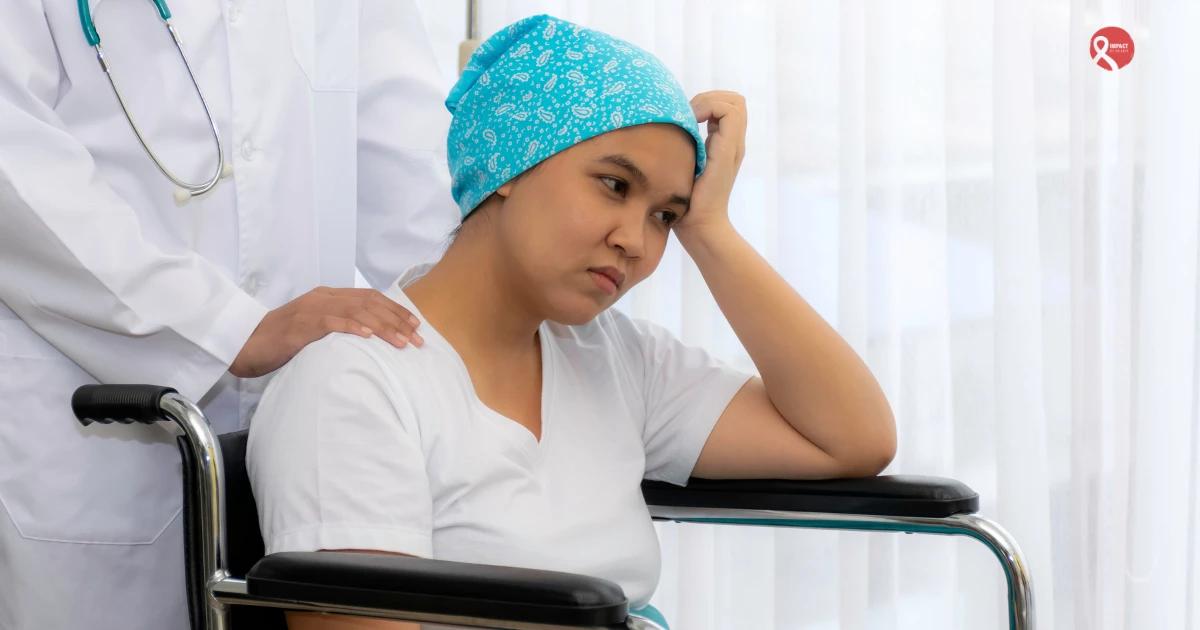
Living with cancer is not only about treating the disease. It is also about easing the problems that come with it. One of the most common and upsetting problems my patients face, during and after treatment, is pain. The good news is that Pain Management in cancer care has improved a lot over the years. Today there are many safe options that work, and we can choose them for each person to reduce pain and help you live better.
Here I will explain why pain happens in cancer, what treatments we have, and how you and your family can help keep the pain under control.
Understanding pain in cancer
Cancer pain can come from the cancer itself, from its treatment, or from other health problems. When I know the type and cause of your pain, I can make a pain plan that suits you.
Common causes of cancer pain:
- Pressure from the tumour: when a tumour presses on bones, nerves or organs.
- Side effects of treatment: chemotherapy, radiation or surgery can cause nerve damage, swelling, or pain after the operation.
- Infection or swelling: because the body's defence (immunity) becomes weak.
- Cancer in the bones: especially in cancers that spread to the bones (like breast or prostate cancer).
Types of pain you may feel:
- Acute pain: sudden and short, usually after surgery or a procedure.
- Chronic pain: pain that stays for weeks or months after treatment.
- Breakthrough pain: strong pain that suddenly comes up even when you take your regular pain medicine.
- Neuropathic pain (nerve pain): caused by nerve damage. People often describe it as burning, tingling or shooting pain.
Knowing which type of pain you have helps me choose the right treatment.
Why pain management matters in cancer care
Controlling pain is not only about comfort. It helps your whole life. When pain is controlled, you can:
- Sleep better and feel fresher.
- Keep your appetite and strength.
- Do your daily work and meet people.
- Stay calm and keep your spirit up during treatment.
If pain is not controlled, it can cause tiredness, sadness, worry, and can even make cancer treatment work less well.
Ways to manage pain in cancer treatment
Pain control works best when it is planned for you. I often combine medicines, body therapy and emotional support for good results.
1. Medicines for pain relief
Medicines are the main way to control cancer pain. I choose them based on the type of pain and how strong it is.
a. Non-opioid medicines
Used for mild to medium pain.
- Paracetamol (Acetaminophen)
- Painkillers called NSAIDs, like ibuprofen or naproxen
b. Opioid medicines
Used for medium to severe pain, when non-opioid medicines are not enough.
- Morphine
- Oxycodone
- Fentanyl
- Hydromorphone
I watch the dose carefully, to keep side effects low and to avoid the body becoming dependent on the medicine.
c. Adjuvant (helper) medicines
These medicines are not mainly painkillers, but they help the pain medicine work better.
- Antidepressants: for nerve pain
- Anticonvulsants (fit medicines): like gabapentin, for nerve pain
- Steroids: to reduce swelling caused by the tumour
2. Nerve blocks and local treatments
Sometimes medicines do not fully control the pain, especially nerve pain. Then nerve blocks or regional anaesthesia (numbing a part of the body) can help.
- Nerve blocks: stop the pain signals for a short time or for good.
- Epidural or spinal injections: used for pain in the lower body or back.
- Neurolytic blocks: used for severe pain in advanced cancer that does not get better with other treatment.
3. Radiation therapy for pain relief
Radiation can shrink a tumour that presses on bones, nerves or organs. This eases the pain well.
- It helps especially when cancer has spread to the bones (bone metastases).
- When given for pain, it usually needs fewer sessions.
4. Physiotherapy and occupational therapy
Pain often leads to stiffness, less movement and tiredness.
Physiotherapy helps by:
- Making the body more flexible and the muscles stronger.
- Reducing stiffness and swelling.
- Teaching you how to move safely without more pain.
Occupational therapy teaches you easier ways to do daily tasks, so you can stay independent and comfortable.
5. Supportive therapies along with medicine
Healing is more than medicines. Supportive therapies help with pain and also support your mind.
Common ones include:
- Acupuncture: shown to ease nerve pain and nausea (feeling like vomiting).
- Massage: relaxes tight muscles and reduces worry.
- Meditation and mindfulness: makes pain feel less and brings calm.
- Yoga and gentle stretching: helps you move better and relax.
- Music or art therapy: lets out feelings and takes the mind away from pain.
These should always be added to medical treatment, never used in place of it. Please ask your oncologist first.
6. Emotional support
Long-term pain and emotional stress often come together. Taking care of the mind can make pain feel much less.
- Counselling or talk therapy: helps you share your fears and worries.
- Cognitive Behavioural Therapy (CBT): teaches you ways to cope with pain.
- Support groups: talking with others who understand can lighten the load.
The role of food and lifestyle
No diet can take pain away fully. But good food helps the body heal and stay strong.
My main suggestions:
- Drink enough water to feel less tired.
- Eat foods that reduce swelling in the body: fruits, vegetables, nuts, olive oil and fish.
- Avoid packaged and sugary foods that can increase swelling in the body.
- Move regularly: even short walks release endorphins, the body's own painkillers.
- Rest well: it helps the body recover and handle treatment better.
Managing breakthrough pain
Even with regular treatment, some patients get sudden, strong pain. We call this breakthrough pain.
How we manage it:
- Taking fast-acting pain medicines exactly as prescribed.
- Noting what brings it on (movement, stress, meal times, etc.).
- Telling your care team, so we can change the plan in time.
A pain diary helps me see when the pain comes, its pattern and how strong it is.
Talking with your care team
Please talk openly with your doctors and nurses. Always tell us:
- Where the pain is and how it feels (sharp, dull, burning, etc.)
- When it started, and what makes it worse or better
- Any side effects from your medicines
Remember: You do not have to "bear it silently". Pain is not a sign of weakness. Controlling pain is a real part of cancer treatment, not something extra.
Short FAQs
Is all cancer pain the same?
No. Cancer pain depends on where the tumour is, its type and the treatment. Some people get nerve pain, others get bone pain or pain after surgery.
Will I get addicted to pain medicines?
Rarely. When taken under a doctor's care, addiction is rare. I check the dose and change the medicines carefully.
Are there natural remedies for pain relief?
Yes: therapies like yoga, acupuncture and meditation can help. But always talk to your oncologist about them first.
Can pain be completely eliminated?
Not always, but it can be controlled well. With medicines, therapies and emotional support together, most patients get good relief.
When should I tell my doctor about pain changes?
Always: tell your doctor about any new pain, pain that is getting worse, or pain that does not go away. Early changes to the plan prevent problems and keep you comfortable.
Conclusion
Pain is not something you must simply accept with cancer. With today's Pain Management methods, you can feel more comfortable, move better and feel calmer.
What helps most is telling us early, care planned for you, and looking after the whole person: medicines plus lifestyle and emotional support. When we treat pain early, you can focus on healing and living fully, even during cancer treatment.
Related patient guides
This page is for general information and does not replace a consultation. Treatment decisions depend on each patient's diagnosis.