
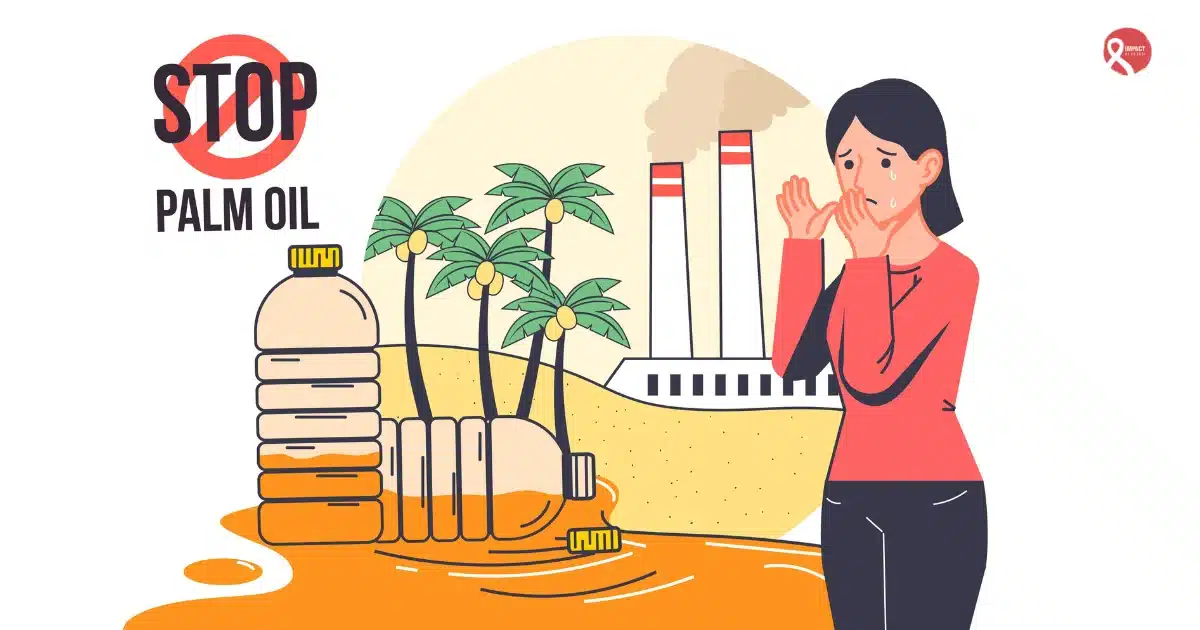
Palm oil is one of the most widely used cooking oils and food ingredients in the world. It is commonly found in packaged foods, baked products, instant snacks, and even some household cooking oils. Because palm oil is so widely consumed, many people worry about whether it has any connection to cancer.
The truth is not black and white. Palm oil itself is not classified as a cancer-causing substance, but the way it is processed, consumed, and included in the diet can influence long-term health. Understanding the facts helps people make informed dietary choices without unnecessary fear.
What Is Palm Oil?
Palm oil is extracted from the fruit of the oil palm tree. It is widely used because:
- It is inexpensive
- It has a long shelf life
- It is stable at high temperatures
- It improves texture and taste in packaged foods
Palm oil contains both saturated and unsaturated fats. Nutritionally, it is different from oils such as olive oil or mustard oil.
Does Palm Oil Cause Cancer?
There is no clear scientific evidence that palm oil by itself directly causes cancer.
However, concerns around palm oil and cancer usually come from:
- High saturated fat content
- Refining processes at high temperatures
- Frequent consumption of ultra-processed foods
Cancer risk is influenced by overall dietary patterns, not by one ingredient alone.
Why Is Palm Oil Often Linked to Cancer Concerns?
1. High Saturated Fat Content
Palm oil contains a higher proportion of saturated fat compared to many traditional cooking oils. Diets high in saturated fats may:
- Contribute to obesity
- Increase inflammation
- Affect overall metabolic health
Obesity and long-term inflammation are known risk factors for several chronic diseases, including cancer.
2. Processing at High Temperatures
When palm oil is refined at very high temperatures, certain compounds may form. These compounds have raised concerns in scientific discussions, especially when consumed frequently and over long periods.
This does not mean occasional intake is dangerous, but regular consumption of heavily processed foods may not be ideal for long-term health.
3. Palm Oil Is Common in Ultra-Processed Foods
Palm oil is widely used in:
- Packaged snacks
- Instant noodles
- Biscuits and bakery items
- Ready-to-eat foods
These foods often also contain:
- Excess salt
- Added sugars
- Preservatives
It is the combination of ultra-processing, not palm oil alone, that raises health concerns.
Palm Oil vs Other Cooking Oils
No cooking oil is perfect. Each has its own nutritional profile.
Compared to palm oil:
- Oils like olive oil, mustard oil, groundnut oil, and rice bran oil contain more unsaturated fats
- Unsaturated fats are generally considered healthier for heart and metabolic health
Using a variety of oils in moderation is usually better than relying heavily on one type.
Palm Oil and Cancer Risk: What Matters More
Research consistently shows that cancer risk is more strongly linked to:
- Poor overall diet quality
- Excess body weight
- Physical inactivity
- Smoking and alcohol use
Palm oil does not act alone. It becomes a concern mainly when it is part of a diet high in processed foods and low in fruits, vegetables, and whole grains.
Is Palm Oil Safe for Cancer Patients?
For people undergoing cancer treatment, nutrition should focus on:
- Adequate calories
- Sufficient protein
- Easy-to-digest foods
- Individual tolerance
Palm oil is not strictly prohibited, but it is not the preferred oil for regular use during treatment. Lighter, less processed oils are often recommended.
Dietary advice for cancer patients should always be personalized by a doctor or dietitian.
Practical Dietary Advice for Patients and Families
Instead of focusing on completely eliminating palm oil, a more practical approach is to:
- Reduce intake of packaged and processed foods
- Prefer fresh, home-cooked meals
- Rotate cooking oils rather than relying on one
- Read food labels carefully
- Focus on fruits, vegetables, whole grains, and lean proteins
Balance and moderation are far more important than extreme restrictions.
Common Misunderstandings About Palm Oil
- Palm oil is not a poison
- Occasional consumption does not cause cancer
- Risk is related to long-term dietary patterns
- Processed foods matter more than individual ingredients
Fear-based food avoidance can lead to unnecessary stress and nutritional imbalance.
Key Takeaway
Palm oil does not directly cause cancer, but frequent consumption of foods high in palm oil and other processed ingredients may contribute to long-term health risks.
Reducing processed foods and choosing a balanced, nutrient-rich diet is the most effective approach to supporting overall health and cancer prevention.
Final Thoughts
Nutrition plays an important role in long-term health, but no single food determines cancer risk on its own. Making informed, balanced dietary choices rather than reacting out of fear helps support both physical and emotional well-being.
Important Note
This article is meant for general awareness only. It does not replace personalized dietary or medical advice. People with cancer or those at high risk should consult their oncologist for individualized nutrition guidance.