
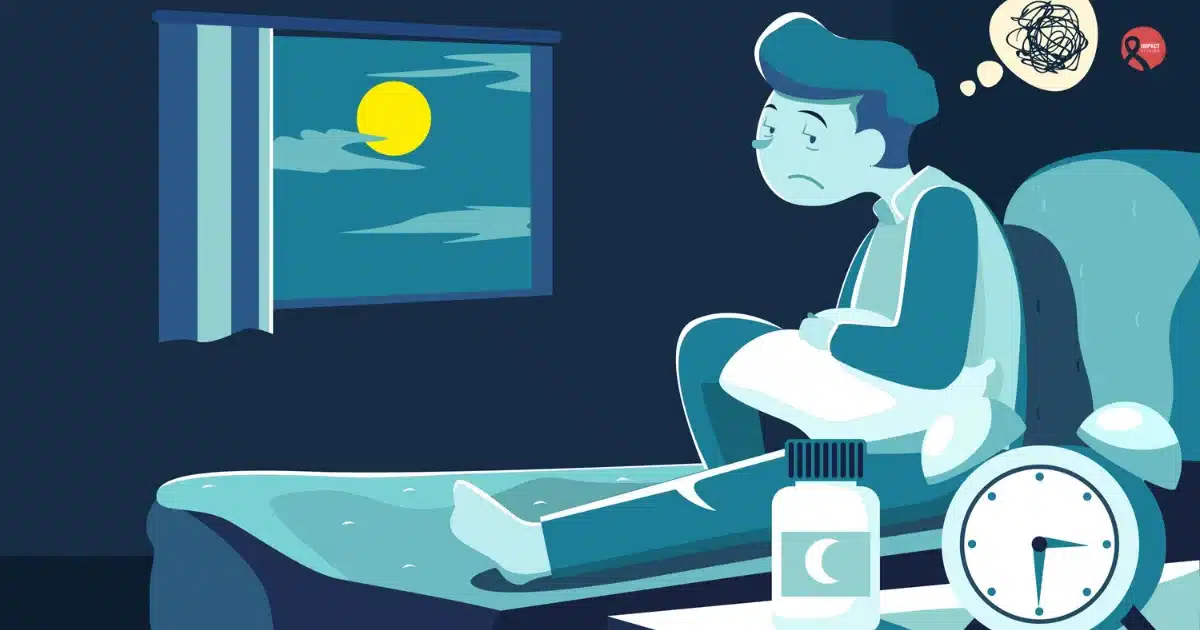
Many people notice certain health symptoms more clearly at night, when the body is at rest and daily distractions are minimal. In some cases, symptoms that appear or worsen at night can raise concern and lead to questions about serious conditions, including cancer.
It is important to understand that night-time symptoms do not automatically mean cancer. However, persistent or unexplained symptoms that occur repeatedly at night should not be ignored. This article explains common signs that may appear at night, possible reasons behind them, and when medical evaluation is recommended.
Why Do Some Symptoms Feel Worse at Night?
At night, the body undergoes natural changes:
- Hormone levels shift
- Body temperature regulation changes
- Pain perception can increase
- There are fewer distractions
Because of this, symptoms such as pain, sweating, coughing, or discomfort may feel more noticeable after bedtime. In most cases, these symptoms have non-cancerous causes, but persistent patterns deserve attention.
Common Signs of Cancer That May Appear or Worsen at Night
1. Night Sweats That Are Unusual or Persistent
Occasional sweating during sleep can be caused by warm weather, stress, or infections. However, recurrent, drenching night sweats that soak clothes or bedding without an obvious reason may need evaluation.
In some cases, night sweats are seen in:
- Blood cancers such as lymphoma
- Chronic infections
- Hormonal conditions
Night sweats alone are not diagnostic, but when combined with other symptoms, they should be discussed with a doctor.
2. Pain That Becomes Worse at Night
Pain that intensifies at night may feel more severe because the body is at rest and there is less movement to distract from discomfort.
Persistent night-time pain may be associated with:
- Bone involvement
- Tumors pressing on nerves
- Inflammation related to disease
Pain that:
- Wakes you from sleep
- Does not improve with rest
- Persists for weeks
should be medically evaluated.
3. Persistent Night-Time Cough or Breathlessness
A cough that worsens at night is often related to allergies, asthma, or acid reflux. However, a chronic cough that continues for weeks, especially if accompanied by breathlessness or chest discomfort, should not be ignored.
Night-time symptoms may feel more prominent when lying down and can sometimes signal underlying lung or chest conditions.
4. Unexplained Fever at Night
Low-grade fever that appears mainly at night and persists over time may occur with infections or inflammatory conditions. In some cases, prolonged unexplained fever can be associated with certain cancers, particularly blood-related cancers.
Key points:
- Fever lasting more than two weeks
- No clear infection identified
- Occurs repeatedly at night
should be assessed by a healthcare professional.
5. Unintentional Weight Loss Noticed Over Time
Weight loss is not something that happens overnight, but some people become more aware of body changes at night or in the early morning.
Unintentional weight loss combined with night-time symptoms such as sweating, fatigue, or fever may warrant further evaluation.
6. Severe Fatigue That Feels Worse in the Evening or Night
Cancer-related fatigue is different from normal tiredness. It may:
- Persist despite rest
- Interfere with sleep
- Feel worse at night
However, fatigue is also commonly caused by stress, anemia, sleep disorders, and lifestyle factors. The pattern and duration of fatigue matter more than a single episode.
7. Abdominal Discomfort or Pain at Night
Some people experience abdominal pain, bloating, or discomfort that becomes noticeable when lying down. While digestive issues are the most common cause, persistent abdominal symptoms should be evaluated, especially if they are associated with changes in appetite or bowel habits.
Important Clarification: Night Symptoms Do Not Automatically Mean Cancer
It is crucial to emphasize:
- Most night-time symptoms are not caused by cancer
- Infections, hormonal changes, stress, and benign conditions are far more common causes
- Cancer symptoms are usually persistent, progressive, and combined with other signs
Avoid self-diagnosis based on symptoms alone.
When Should You See a Doctor?
Medical evaluation is recommended if symptoms:
- Persist for more than 2–3 weeks
- Occur repeatedly without a clear cause
- Are associated with unexplained weight loss, fever, or fatigue
- Interfere with sleep and daily functioning
Early consultation helps rule out serious conditions and provides peace of mind.
How Doctors Evaluate Night-Time Symptoms
Evaluation may include:
- Detailed medical history
- Physical examination
- Blood tests
- Imaging studies if required
- Referral to a specialist when necessary
Not all symptoms require extensive testing. Doctors assess patterns, duration, and associated factors before recommending investigations.
What You Can Do in the Meantime
- Keep a symptom diary noting frequency and duration
- Avoid self-medication without guidance
- Maintain regular sleep routines
- Seek medical advice rather than online diagnosis
Awareness is helpful, but anxiety should be avoided.
Key Takeaway
Some symptoms may feel more noticeable at night, but night-time symptoms alone are not a diagnosis of cancer. What matters most is persistence, progression, and combination of symptoms.
Listening to your body and seeking timely medical advice when something feels unusual is the safest approach.
Final Thoughts
Cancer symptoms vary widely and often overlap with many non-cancerous conditions. Recognizing concerning patterns without panic allows for early evaluation and appropriate care.
If you or a loved one experience ongoing night-time symptoms that cause concern, consulting an oncologist is the right next step.