Scented Candles and Cancer Risk

By Dr Ekta Vala Chandarana, Senior Consultant Medical Oncologist
Updated March 2026
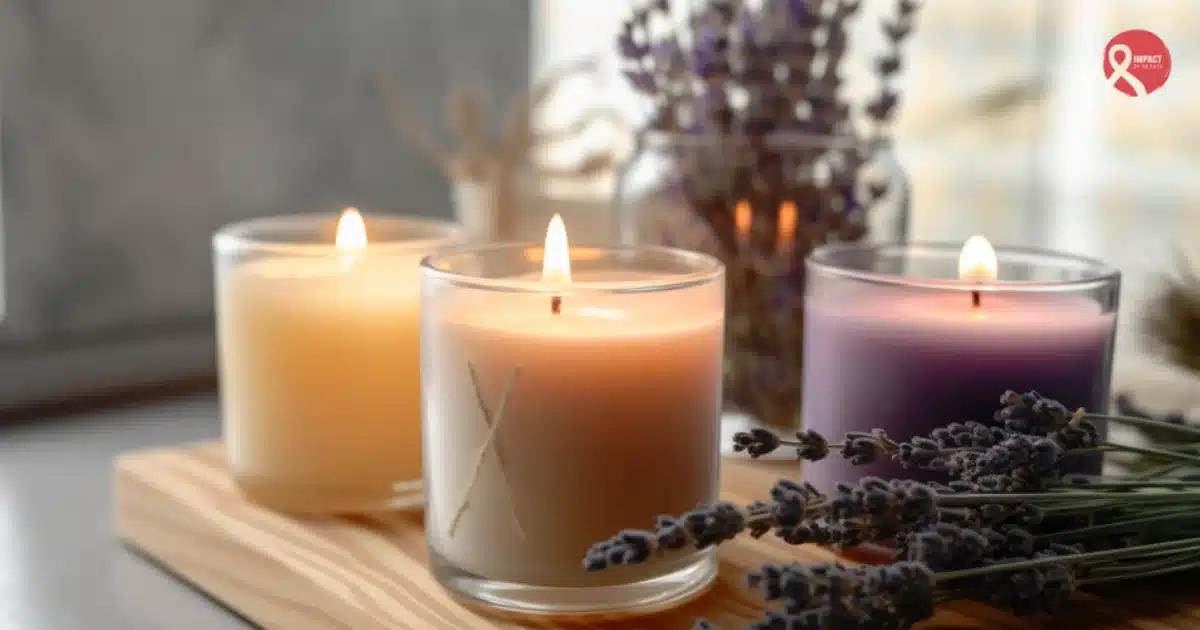
Many people like to light candles at home to feel relaxed. The soft light and nice smell make them popular in bedrooms and living rooms. But in recent years, people have started to worry about a link between Scented Candles and Cancer Risk.
My patients often ask me if the chemicals from candles can raise the chance of cancer. Social media posts have also made people ask do scented candles cause cancer, and whether candles give off harmful substances.
When you understand what is in a candle and what comes out when it burns, it is easier to separate myths from facts. Here I will explain what we know today about toxic chemicals in scented candles, the possible paraffin candles health risk, and whether candles are a real cancer worry.
Why are people linking scented candles with cancer?
The worry mainly comes from what some candles are made of.
Some candles contain waxes, man-made perfumes and colours. When burned, these give off small amounts of chemicals.
The main reasons this worry started:
- Studies showing some candles may give off tiny amounts of chemicals when burning
- Many candles are made of paraffin wax, which comes from petroleum
- Artificial perfumes that may give off chemicals into the air
- Viral internet posts that make the health risk sound bigger than it is
Because of all this, many people ask if there is a real link between candles and cancer.
Do scented candles cause cancer?
One of the most common questions my patients ask is: do scented candles cause cancer?
Based on research so far, there is no strong proof that normal candle use directly causes cancer.
What research shows:
- Most studies have not found a direct link between candles and cancer.
- The chemicals that candles give off are usually very small in normal use.
- In a normal home, the amount you breathe in is usually below harmful levels.
Information from the National Institute of Health (NIH) and the American Cancer Society says the major cancer risk factors are smoking, alcohol, obesity and air pollution. Candles are not seen as a major cancer risk factor.
Toxic chemicals in scented candles: what studies show
Some research has found toxic chemicals in scented candles when they burn. But these are usually present in very small amounts.
Substances that may be released include:
- Benzene
- Toluene
- Formaldehyde (tiny amounts)
- Volatile organic compounds (VOCs, chemicals that easily mix into the air)
Important things to know:
- These chemicals also come from many other things in the home.
- The amount released when a candle burns is usually very low.
- It would take high exposure for a long time before it becomes a serious health worry.
So, just because these chemicals are there, it does not mean there is a big cancer risk.
Read more about Deodorants and Cancer: Is There Any Scientific Proof?
Paraffin candles health risk: are they more harmful?
Many people talk about the paraffin candles health risk.
Paraffin wax is used widely because it is cheap and holds the smell well. But it comes from petroleum, so some people worry it may release cancer-causing substances.
What research suggests:
- Paraffin candles may make a little soot (black smoke) when burned.
- Poor-quality candles may give off a little more pollution.
- Good-quality candles give off very little.
People still discuss the paraffin candles health risk. But most scientific reviews say that using them once in a while does not raise cancer risk much.
Are scented candles harmful to health?
Another worry is whether candles cause other health problems, apart from cancer.
Some people are sensitive to the perfume in candles.
They may notice:
- Headaches
- Mild throat irritation
- Allergy in sensitive people
- Short-term trouble breathing
These are usually due to the perfume, not a sign of cancer risk.
People with asthma or perfume allergy may prefer candles without perfume, or natural wax candles.
Candle types and their possible risk
Different types of candles may give off slightly different things.
| Candle Type | Wax Source | Possible Chemical Release | Overall Risk |
|---|---|---|---|
| Paraffin candles | Petroleum-based wax | Small soot and VOCs | Low with proper use |
| Soy candles | Soybean oil | Lower soot production | Considered cleaner |
| Beeswax candles | Natural beeswax | Minimal emissions | Very low |
| Coconut wax candles | Coconut oil | Low emissions | Low |
Choosing good-quality candles may lower contact with unwanted chemicals.
Tips to lower possible cancer risk from candles
If you enjoy candles, a few simple steps can lower your contact with harmful substances.
Helpful steps:
- Choose candles made from natural wax like soy or beeswax.
- Avoid candles with strong artificial perfume.
- Trim the wick often to reduce smoke.
- Don't burn candles for many hours at a stretch.
- Use candles in rooms with good fresh air.
These small steps make candles safer to use.
When should you be more careful?
The cancer risk looks very low. But some people may still want to limit their contact.
Extra care may help:
- People with breathing problems
- Pregnant women who are sensitive to perfumes
- Homes with poor fresh air
- People who burn candles every day for long hours
In these cases, natural wax candles or candles without perfume may be a better choice.
Conclusion
It is natural to worry about Scented Candles and Cancer Risk, especially when you want a healthy home. Some studies have found toxic chemicals in scented candles, but the amount released in normal use is usually very small.
Research today does not show that using candles once in a while raises cancer risk much. People still discuss the paraffin candles health risk, but most scientists agree that moderate use is unlikely to cause serious health problems.
If you are wondering do scented candles cause cancer or are scented candles harmful to health, the evidence says the risk is low when candles are used sensibly.
If you have ongoing health worries or are getting cancer treatment, please talk to a qualified doctor about your lifestyle and home surroundings. This helps you make the right choices.
Trusted references
- National Institute of Health - Risks of scented candles
Related patient guides
This page is for general information and does not replace a consultation. Treatment decisions depend on each patient's diagnosis.