
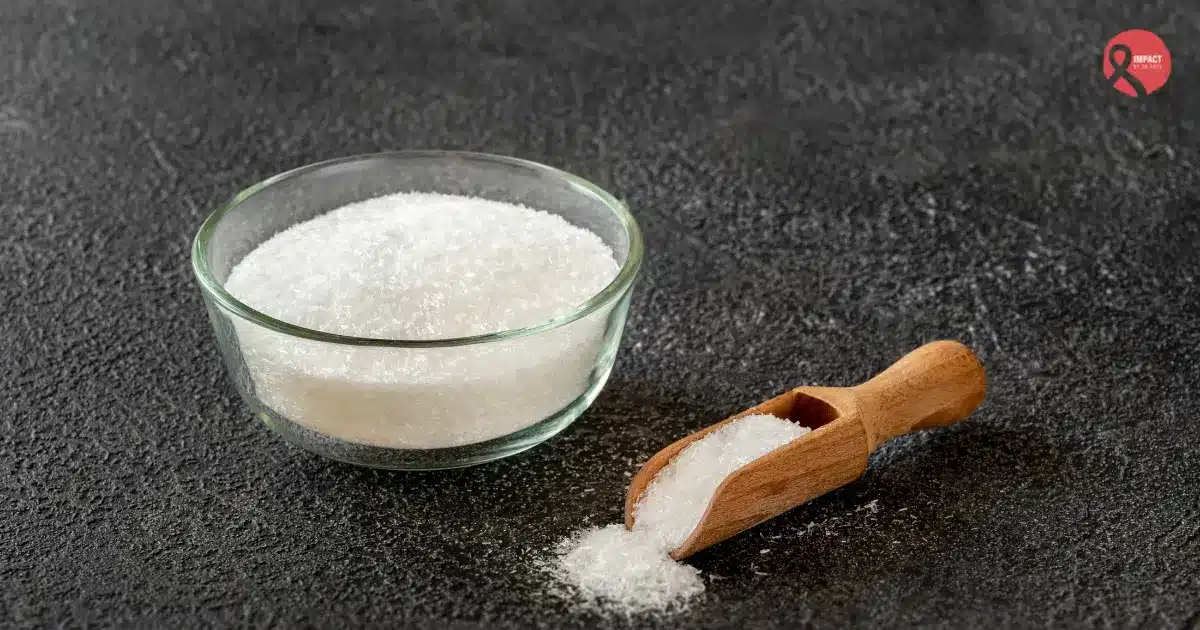
Many people worry about certain food ingredients and their possible link to cancer. One common question patients often ask is whether there is any connection between Ajinomoto and Cancer. Social media posts, forwarded messages, and unverified claims have created confusion around this topic.
Ajinomoto is a brand name commonly used for monosodium glutamate (MSG), a flavor enhancer widely used in processed foods and restaurant cooking. But does it really increase cancer risk? Or is it simply another health myth?
In this article, we explain the science in simple language so you can make informed dietary choices without fear.
What Is Ajinomoto (MSG)?
Ajinomoto is the brand name for monosodium glutamate, often referred to as MSG. It is used to enhance taste, especially in savory foods.
Important facts about MSG:
- It contains sodium and glutamate.
- Glutamate is naturally present in tomatoes, mushrooms, cheese, and even breast milk.
- It enhances the “umami” flavor in food.
- It has been used in cooking for over 100 years.
Understanding what MSG actually is helps reduce unnecessary panic.
Why Is Ajinomoto Linked to Cancer Concerns?
Concerns about MSG started decades ago when some people reported symptoms such as headache or flushing after eating foods containing it. This was often referred to as “Chinese Restaurant Syndrome.”
However, these symptoms were not linked to cancer.
Reasons for confusion:
- Misinterpretation of scientific studies.
- Viral social media claims.
- General fear about processed foods.
- Association of additives with long-term diseases.
The idea of Ajinomoto cancer risk became popular largely due to misinformation rather than strong scientific evidence.
What Do Scientific Studies Say About MSG and Cancer?
When evaluating health concerns, it is important to rely on trusted organizations.
According to global health authorities:
- The World Health Organization (WHO) has reviewed MSG safety.
- The Food and Drug Administration (FDA) considers MSG “generally recognized as safe.”
- The National Cancer Institute (NCI) has not identified MSG as a cancer-causing substance.
- The Food Safety and Standards Authority of India (FSSAI) permits MSG within regulated limits.
There is no strong scientific proof linking monosodium glutamate cancer development in humans when consumed within recommended amounts.
Is Ajinomoto Safe for Regular Consumption?
The question “is Ajinomoto safe?” depends largely on quantity and overall diet.
What experts say:
- MSG is safe when consumed in moderate amounts.
- It is approved for use in many countries worldwide.
- Most people consume far less than the safety limit.
- Sensitivity to MSG does not equal cancer risk.
For most healthy individuals, occasional intake does not pose a serious health threat.
Understanding MSG and Cancer Myths
There are many myths surrounding MSG and cancer. Let’s break them down clearly.
Myth 1: MSG directly causes cancer
There is no clinical evidence confirming this.
Myth 2: MSG builds up in the body and creates tumors
Glutamate is naturally processed by the body and does not accumulate dangerously.
Myth 3: Natural glutamate is safe but added MSG is harmful
Chemically, both forms are identical.
These MSG and cancer myths often spread faster than scientific facts.
MSG vs Natural Glutamate
| Factor | MSG (Ajinomoto) | Natural Glutamate (Tomatoes, Cheese) |
|---|---|---|
| Chemical structure | Same | Same |
| Source | Added during cooking | Naturally occurring |
| Cancer evidence | No proven link | No proven link |
| Safety status | Approved in regulated amounts | Naturally safe |
This comparison shows there is no chemical difference between the glutamate found naturally and the one added to food.
Does MSG Increase Ajinomoto Cancer Risk in Cancer Patients?
Cancer patients often worry about every ingredient in their diet. It is understandable.
Current evidence suggests:
- There is no confirmed link between MSG and cancer recurrence.
- Moderate intake is not associated with tumor growth.
- Balanced nutrition is more important than eliminating one ingredient.
- Excessive processed food consumption should be limited for overall health.
Patients should focus more on maintaining proper nutrition, protein intake, and hydration during treatment.
You may also read our blog on “Diet During Cancer Treatment” to understand safe eating habits.
Are There Any Health Concerns Related to MSG?
While MSG is not proven to cause cancer, some people may experience mild temporary symptoms.
Possible temporary effects in sensitive individuals:
- Headache
- Sweating
- Flushing
- Mild chest tightness
These reactions are rare and usually occur after consuming large amounts.
What About Processed Foods and Cancer Risk?
Sometimes MSG gets blamed when the real issue may be overall diet quality.
Important points:
- Highly processed foods often contain excess salt, sugar, and unhealthy fats.
- Obesity is a known risk factor for several cancers.
- A diet low in fruits and vegetables can increase cancer risk.
- Lifestyle factors like smoking and alcohol have a much stronger cancer link than MSG.
Focusing on overall dietary balance is more beneficial than targeting a single ingredient.
How Much MSG Is Considered Safe?
Health authorities define an acceptable daily intake (ADI).
Most people consume far less than the established safety limits.
For example:
- Safety evaluations by WHO and other regulatory bodies indicate that normal dietary intake is within safe limits.
- Occasional consumption through restaurant meals does not exceed harmful levels.
Moderation remains the key.
Should Cancer Survivors Avoid Ajinomoto Completely?
There is no medical guideline that requires total avoidance unless a person has sensitivity.
Practical advice:
- Limit processed foods.
- Choose home-cooked meals.
- Read ingredient labels.
- Focus on whole foods like vegetables, fruits, whole grains, and lean protein.
- Consult your oncologist for personalized dietary advice.
A balanced approach reduces unnecessary anxiety.
What Do Experts Recommend for Cancer Prevention?
Instead of worrying excessively about MSG, experts recommend focusing on proven preventive strategies.
Evidence-based cancer prevention tips:
- Maintain healthy body weight.
- Eat a plant-rich diet.
- Limit red and processed meats.
- Avoid tobacco.
- Reduce alcohol consumption.
- Stay physically active.
These lifestyle factors have a much stronger link to cancer risk than monosodium glutamate cancer concerns.
Final Verdict: Myth or Reality?
The link between Ajinomoto and Cancer is largely a myth based on misunderstanding and misinformation. Current scientific evidence does not confirm that MSG causes cancer when consumed within safe limits.
For most individuals, moderate intake is considered safe. Rather than focusing on a single ingredient, it is more helpful to maintain a healthy lifestyle, balanced nutrition, and regular medical check-ups.
If you are undergoing cancer treatment or are a survivor and have dietary concerns, consult a qualified Cancer Specialist for personalized guidance.
Authoritative References
- Food and Drug Administration – MSG safety
- Healthline – Ajinomoto and Cancer