
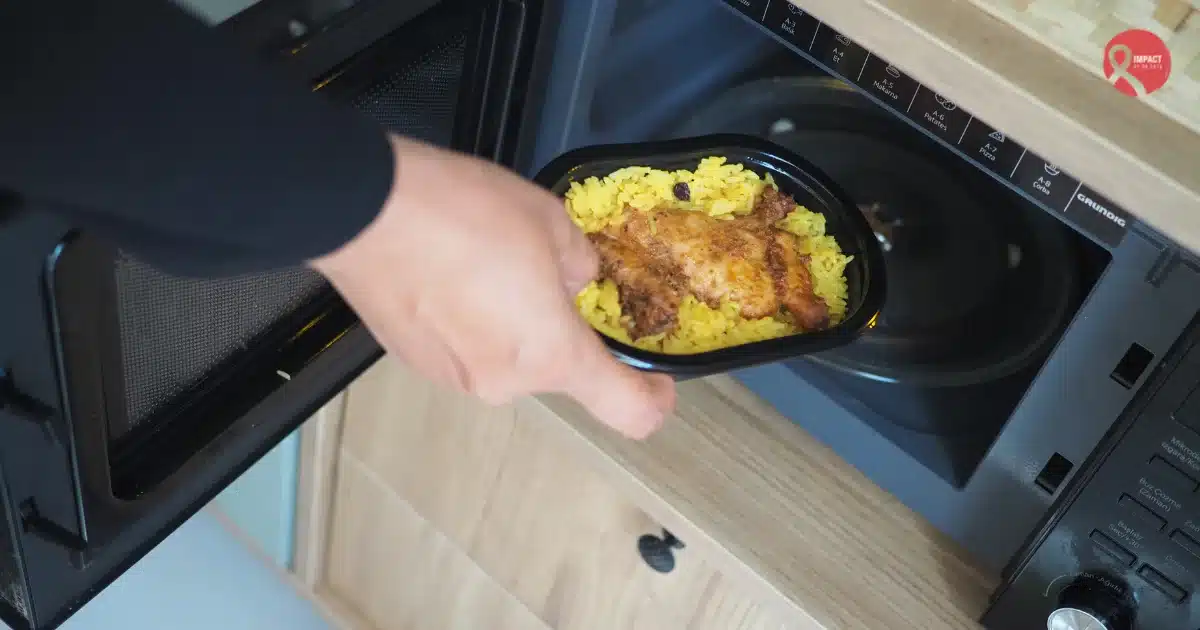
In many households, leftovers are a normal part of daily life. Busy schedules, packed lunches, and meal planning often mean that food prepared once may be warmed again later. While this habit is convenient, some people worry whether Reheating Food multiple times could harm their health.
Over the years, social media posts and health discussions have suggested that reheated meals might produce harmful substances or even increase cancer risk. This has led to questions about reheating food cancer risk, whether is reheated food harmful, and how to handle leftovers safely.
The truth is that reheating food itself does not automatically make it dangerous. However, the way food is stored, handled, and reheated can influence its safety. Understanding the science behind leftover meals can help people make better choices without unnecessary fear.
Why Do People Worry About Reheating Food?
Concerns about reheated meals usually arise from misunderstandings about how heat affects food.
Some common reasons behind these worries include:
- Fear that heating food repeatedly creates toxic substances
- Viral claims linking reheated meals with cancer
- Concerns about bacterial growth in stored food
- Confusion between food safety issues and long-term health risks
In reality, most food safety experts focus more on bacterial contamination than cancer when discussing food reheating health effects.
What Happens to Food When It Is Reheated?
When food is warmed again, several natural processes occur. Heat changes the structure of proteins, fats, and carbohydrates. These changes mainly affect taste and texture rather than cancer risk.
During reheating:
- Moisture may evaporate, making food drier
- Nutrients such as vitamin C may slightly decrease
- Texture can change depending on cooking method
- Bacteria may be killed if food reaches the right temperature
The most important factor is whether the food was stored properly before warming it again. Poor storage can lead to bacterial growth, which is the real safety concern behind many discussions about reheating leftovers safety.
Reheating Food Cancer Risk: What Science Says
One of the biggest myths circulating online is that warming leftovers multiple times causes cancer.
Current scientific research does not show strong evidence linking reheated meals directly with cancer.
Health organizations highlight several key points:
- Heating food does not automatically create cancer-causing chemicals.
- The bigger concern is bacterial contamination if food is not stored properly.
- Some cooking methods like burning or charring food can create harmful compounds, but this is different from reheating.
According to food safety guidelines from agencies such as the Food Safety and Inspection Service (USDA) and cancer information from the National Cancer Institute (NCI), the main health risk from leftovers comes from bacteria rather than cancer.
This means that discussions about reheating food cancer risk are often based on misunderstanding rather than proven scientific evidence.
Is Reheated Food Harmful?
Many people ask whether is reheated food harmful, especially when leftovers are consumed frequently.
In most cases, reheated food is safe if handled correctly.
However, problems can occur if:
- Food is left at room temperature for too long
- Leftovers are stored improperly in the refrigerator
- Meals are reheated without reaching a safe temperature
- Food is repeatedly cooled and reheated over several days
When these situations occur, bacteria such as Salmonella or Listeria may grow, which can lead to food poisoning.
Therefore, the safety issue is related to hygiene and storage practices rather than the reheating process itself.
Food Reheating Health Effects: What You Should Know
While reheating itself does not cause cancer, repeated heating can affect food quality.
Some possible food reheating health effects include:
- Reduced nutrient levels in certain foods
- Changes in taste and texture
- Possible formation of harmful compounds if food is burned or overheated
- Increased bacterial risk if food is not heated thoroughly
The good news is that these effects can be minimized with proper food handling and storage habits.
Foods That Need Extra Care When Reheating
Certain foods require more attention when reheating because they are more sensitive to temperature changes.
Common examples include:
- Rice: Can grow bacteria if left at room temperature for long periods
- Chicken: Must be heated thoroughly to kill bacteria
- Seafood: Spoils faster than many other foods
- Egg dishes: Require proper refrigeration and reheating
- Gravy and soups: Should be heated until boiling
Following safe food practices helps reduce concerns related to reheating leftovers safety.
Safe Practices for Reheating Leftovers
Food safety experts recommend simple steps to ensure that leftovers remain safe to eat.
Helpful tips include:
- Refrigerate leftovers within two hours of cooking
- Store food in airtight containers
- Reheat meals until they are steaming hot
- Avoid reheating the same portion multiple times
- Use a food thermometer when possible
These practices significantly reduce potential health risks while maintaining the convenience of leftover meals.
Recommended Storage and Reheating Guidelines
The following table provides simple guidance on storing and reheating common foods safely.
| Food Type | Storage Time in Refrigerator | Reheating Tip |
|---|---|---|
| Cooked vegetables | 3–4 days | Heat until hot throughout |
| Cooked rice | 1–2 days | Reheat thoroughly and avoid repeated heating |
| Chicken dishes | 3–4 days | Ensure internal temperature reaches safe level |
| Soups and stews | 3–4 days | Bring to a full boil while reheating |
| Seafood | 1–2 days | Reheat gently and consume quickly |
Following these guidelines helps reduce concerns related to food reheating health effects.
Lifestyle Factors That Matter More for Cancer Risk
Although people often worry about everyday habits like reheating leftovers, other lifestyle factors have a much stronger connection to cancer.
According to the American Cancer Society, the biggest cancer risk factors include:
- Tobacco use
- Excess alcohol consumption
- Poor diet and obesity
- Physical inactivity
- Environmental pollution
Compared with these factors, the idea of reheating food cancer risk is not considered a major concern in medical research.
When Should You Be More Careful?
Some individuals should take extra care with food safety practices.
This includes:
- Pregnant individuals
- Older adults
- People with weakened immune systems
- Cancer patients undergoing treatment
For these groups, avoiding bacterial contamination in food is particularly important.
Proper storage, safe reheating methods, and good hygiene can help reduce health risks.
Conclusion
The idea that Reheating Food multiple times causes cancer is a common myth that has spread widely online. Scientific evidence does not show a clear link between reheated meals and cancer development. Instead, the real concern behind leftover meals is bacterial contamination caused by improper storage or handling.
Understanding reheating leftovers safety and following proper food hygiene practices can significantly reduce health risks. Simple steps such as refrigerating leftovers promptly, reheating food thoroughly, and avoiding repeated heating can help keep meals safe.
For individuals worried about food reheating health effects or whether is reheated food harmful, it is helpful to focus on proper food handling and a balanced diet rather than worrying about occasional leftovers.
If you have concerns about diet, lifestyle factors, or cancer prevention, speaking with a qualified healthcare professional or a cancer doctor in Ahmedabad can provide personalized guidance and help you make informed decisions for long-term health.