
Chicken and Cancer: Connection and Health Implications

By Dr Ekta Vala Chandarana, Senior Consultant Medical Oncologist
Updated April 2026
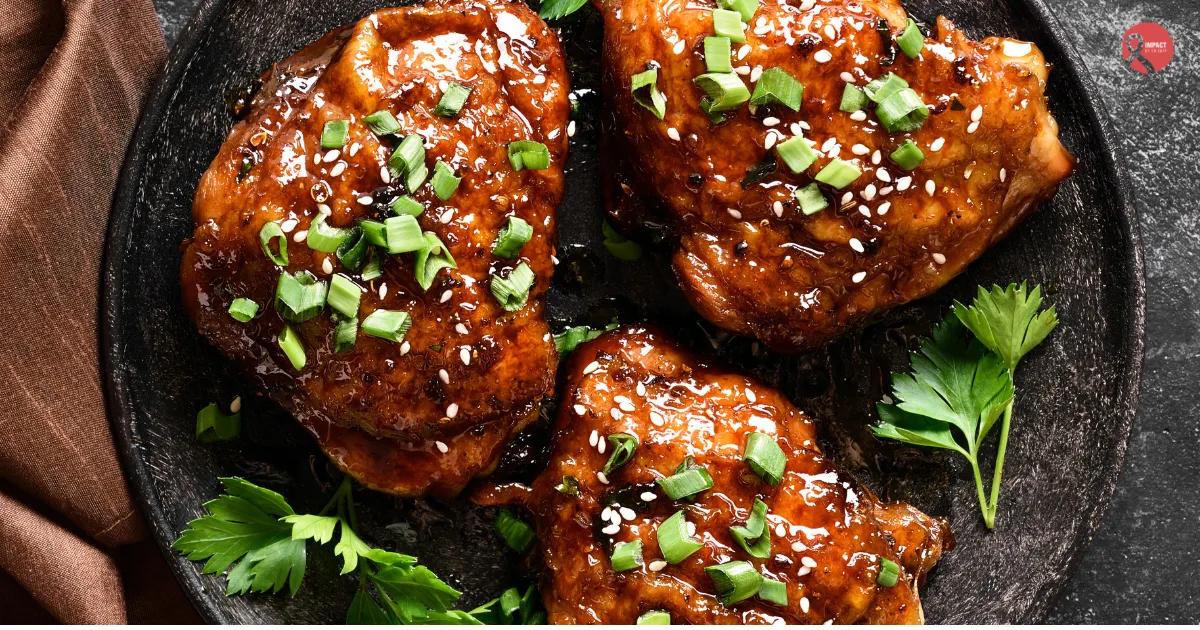
Food is one of the biggest worries for people with cancer. Patients and families often ask me one question: Is chicken safe to eat, or does it raise cancer risk?
Many people eat chicken for protein, and it is often seen as healthier than red meat or processed meat. But people get confused, because different studies talk about meat, cooking and cancer in different ways. Knowing the facts helps you choose your food without fear and without extreme rules.
Does eating chicken cause cancer?
There is no strong scientific proof that eating chicken directly causes cancer.
Processed meats like sausages, bacon and salami are different. Chicken is not listed as a cancer-causing food. If you eat it in normal amounts and cook it in a healthy way, chicken can be part of a balanced diet.
The worry about cancer is usually not about chicken itself, but about:
- Eating a lot of highly processed food
- Unhealthy ways of cooking
- Your overall eating habits over many years
Many things affect cancer risk. No single food decides it on its own.
Why is chicken often seen as safer than other meats?
Compared with red meat and processed meat, chicken usually:
- Has less saturated (unhealthy) fat
- Doesn't need the preservatives used in processed meat
- Is easier to digest for many people
Big health organisations keep finding a stronger link between cancer and processed meat, not poultry. That is why diet advice usually says to limit processed meat, while chicken can be part of a balanced diet.
But "safer" does not mean "as much as you like." How much you eat, how you cook it, and your overall diet still matter.
Cooking methods matter more than the food itself
How you cook chicken makes a big difference to your health.
Cooking habits that may harm health:
- Deep frying
- Heating the same oil again and again
- Cooking on very high heat until it is charred or burnt
- Often eating deep-fried or fast-food chicken
Very high-heat cooking can make substances that may irritate the body if you eat them often.
Healthier ways to cook:
- Boiling
- Steaming
- Baking
- Grilling on medium heat
- Light frying with very little oil
Healthier cooking helps you avoid harmful substances you don't need.
Chicken and cancer risk: what research says
Research today does not show that chicken directly causes cancer. Most studies that raise concern are about:
- Diets full of ultra-processed (packaged, factory-made) food
- Eating too much fried food
- Poor nutrition overall
On the other hand, diets with lean protein, vegetables, fruits and whole grains are linked to better long-term health.
Please understand: cancer comes from a mix of genes, surroundings, lifestyle and diet, not from one food choice.
Is chicken safe for people having cancer treatment?
During cancer treatment, eating enough good food is very important. Protein helps with:
- Muscle strength
- Healing and recovery
- Keeping the immune system strong
Chicken can be a good protein source for some patients, especially when:
- It is freshly cooked
- It is cooked simply
- The patient digests it well
But every person is different. During chemotherapy or radiation, taste, digestion or hunger may change. Then food choices should be adjusted to what feels comfortable, and to your doctor's advice.
Always follow your oncologist's or dietitian's advice about food during treatment.
What matters more than one food item
When we talk about cancer and food, we must look at the bigger picture.
Things that affect cancer risk much more are:
- Your eating habits over many years
- Eating processed and fried food often
- Too few fruits, vegetables and fibre
- Not moving enough
- Tobacco
- Too much alcohol
Your overall lifestyle matters far more than avoiding one particular food.
Common misunderstandings about chicken and cancer
Many people think that cutting out certain foods will lower cancer risk by itself. This can cause needless stress about food and a poor, unbalanced diet.
Key points to remember:
- Chicken by itself is not a cancer-causing food
- Eating it now and then does not raise cancer risk
- How you cook it and how often you eat it matter more than the food itself
- Balanced eating is always better than very strict rules
When you don't make food choices out of fear, both your body and mind stay healthier.
Practical diet advice
Instead of worrying about single foods, build simple habits you can keep:
- Choose fresh, home-cooked food
- Eat less fried and ultra-processed food
- Eat different kinds of protein
- Add plenty of vegetables and fruits to your meals
- Stay active, as your doctor advises
- Avoid tobacco and limit alcohol
These steps support your overall health and may lower your long-term risk of disease.
Important note
This information is for general awareness only. It cannot replace personal diet or medical advice. If you have cancer or are at high risk, please talk to your doctor or a qualified dietitian for advice made for you.
Final thoughts
You don't need to stop eating chicken completely because of cancer worries. Eaten in normal amounts and cooked in a healthy way, it can be part of a balanced diet for many people.
Long-term health depends not on one food, but on your overall eating habits, lifestyle and your doctor's guidance. Balanced, well-informed choices are the most practical way to eat well and lower cancer risk.
Related patient guides
This page is for general information and does not replace a consultation. Treatment decisions depend on each patient's diagnosis.