
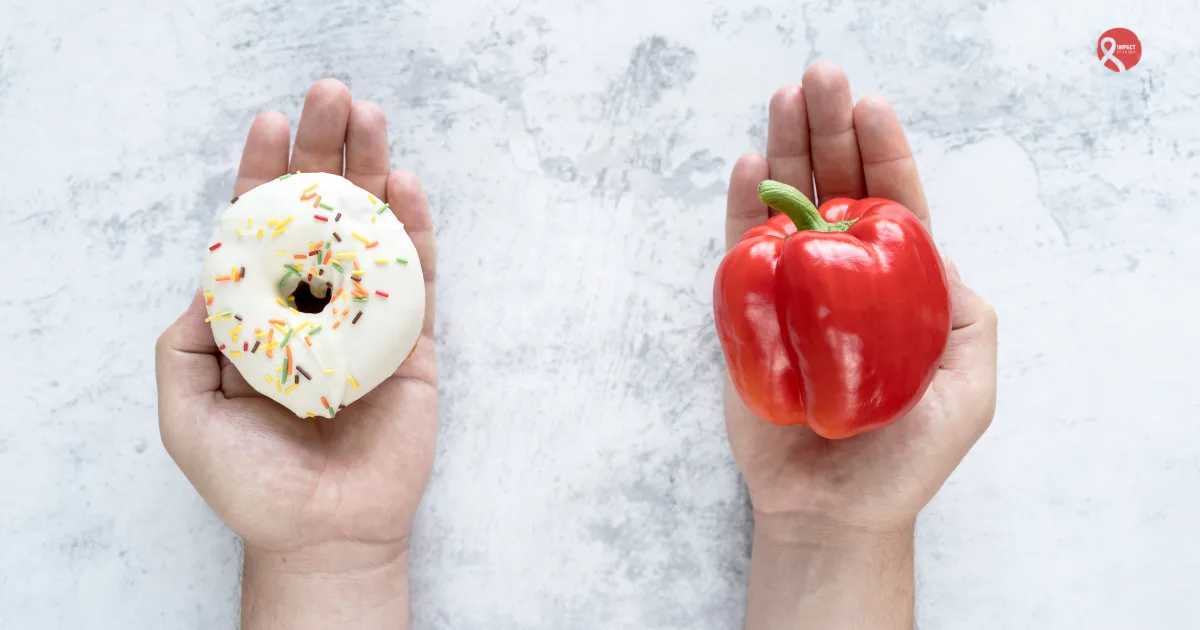
When facing a cancer diagnosis, treatment often becomes the central focus – chemotherapy, radiation, immunotherapy, or surgery. But what many patients and caregivers underestimate is the crucial role of diet in the healing journey. While doctors focus on destroying cancer cells, the food you eat can either support your body’s recovery or make the fight harder.
We often hear about what cancer patients should eat nutritious vegetables, protein-rich meals, and antioxidant-packed fruits. But an equally important question often gets overlooked:
For a complete, balanced cancer diet plan, read our detailed Cancer Patient Diet Chart.
What food cancer patients should avoid?
The truth is, certain foods can weaken your immune system, fuel cancer growth, interfere with treatment, or worsen side effects. In this guide, we’ll break down the foods to steer clear of during cancer treatment, why they’re harmful, and how to make healthier alternatives part of your daily meals.
Why Diet Matters During Cancer Treatment
Cancer treatments like chemotherapy or radiation place enormous stress on the body. Your immune system is weakened, your gut health becomes more sensitive, and nutrient absorption can be compromised. At this time, every bite you eat matters.
A poor diet can lead to:
- Increased inflammation
- Lower treatment effectiveness
- Slower recovery times
- Higher risk of infection
- Unnecessary weight gain or loss
Takeaway: The right nutrition isn’t just supportive it’s therapeutic. Avoiding certain foods can help your body fight cancer more effectively and reduce complications.
1. Processed and Red Meats: Fuel for Inflammation
One of the most crucial categories to eliminate or drastically reduce is processed meats and red meat.
Why They’re Harmful:
- Processed meats (like sausages, bacon, hot dogs) are classified by the World Health Organization (WHO) as Group 1 carcinogens the same category as tobacco.
- They contain nitrates and nitrites, which can form cancer-causing compounds in the body.
- High consumption is linked to colorectal, pancreatic, and stomach cancers.
Examples to Avoid:
- Bacon, salami, sausages
- Deli meats and ham
- Hot dogs
- Red meats like beef, pork, and lamb (especially when charred or grilled at high heat)
Better Alternatives:
- Plant-based proteins (lentils, chickpeas, tofu)
- Lean meats like chicken or turkey (in moderation)
- Fish rich in omega-3s (like salmon or mackerel)
2. Refined Sugar and Sugary Foods: Feeding the Enemy
Cancer cells thrive on glucose their primary fuel source. While you cannot (and should not) eliminate all carbohydrates, excessive refined sugar intake can accelerate tumor growth and cause inflammation.
Why They’re Harmful:
- High sugar diets lead to insulin spikes, which may promote tumor growth.
- Excess sugar weakens the immune system and increases fatigue.
- It contributes to weight gain, which is linked to worse outcomes in certain cancers.
Foods to Avoid:
- Cakes, cookies, pastries
- Candy, chocolate bars, and desserts
- Sugary beverages like soda or fruit juices
- Breakfast cereals with added sugar
Better Alternatives:
- Natural sweeteners (in moderation): honey, jaggery, stevia
- Fresh fruit instead of desserts
- Whole grains with fiber to regulate blood sugar
3. Sugary Drinks and Alcohol: Double Trouble
Liquid calories are one of the sneakiest contributors to inflammation and cancer risk. Beverages high in sugar or alcohol can significantly weaken the body’s defense mechanisms.
Why They’re Harmful:
- Alcohol is a Group 1 carcinogen, linked to cancers of the breast, liver, mouth, and colon.
- It damages DNA and impairs liver function, making it harder for the body to detoxify.
- Sugary drinks spike insulin levels and contribute to inflammation.
Drinks to Avoid:
- Soft drinks, colas, energy drinks
- Sweetened iced teas and packaged juices
- Beer, wine, spirits, and cocktails
Better Alternatives:
- Water infused with lemon, cucumber, or mint
- Fresh coconut water
- Herbal teas (like chamomile, ginger, or green tea)
4. Deep-Fried and Fast Foods: Inflammation Triggers
Fast food may be convenient, but it’s a recipe for inflammation, poor digestion, and compromised immunity all of which make cancer treatment harder.
Why They’re Harmful:
- Fried foods produce acrylamides, chemicals linked to cancer formation.
- Trans fats in fast food increase inflammation and heart risk.
- They lack nutrients, crowding out healthier options.
Foods to Avoid:
- French fries, burgers, fried chicken
- Packaged snacks like chips and crisps
- Donuts, deep-fried sweets
Better Alternatives:
- Baked or steamed vegetables
- Air-fried snacks or roasted chickpeas
- Homemade soups and salads
5. Highly Processed Packaged Foods: Hidden Toxins
Ultra-processed foods are loaded with preservatives, emulsifiers, colorants, and flavor enhancers many of which disrupt the gut microbiome and weaken immunity.
Why They’re Harmful:
- They often contain additives and artificial chemicals linked to cancer risk.
- High salt and sugar content can worsen inflammation.
- They displace nutrient-rich whole foods from the diet.
Foods to Avoid:
- Instant noodles, ready-to-eat meals
- Canned soups and sauces
- Packaged baked goods
- Flavored chips and processed snacks
Better Alternatives:
- Whole, unprocessed foods like fruits, vegetables, and grains
- Homemade meals with fresh ingredients
- Fermented foods to support gut health (like yogurt, kimchi)
6. High-Fat Dairy and Full-Fat Products: Hormone Disruptors
While dairy isn’t harmful for everyone, excess consumption especially of high-fat dairy can raise certain hormone levels, which may influence cancer progression.
Why They’re Harmful:
- Some dairy products may increase IGF-1 (insulin-like growth factor), linked to cancer growth.
- High-fat dairy contributes to weight gain and inflammation.
- It may worsen hormone-sensitive cancers like breast or prostate cancer.
Foods to Avoid:
- Whole milk, cream, cheese, butter
- Ice cream and full-fat yogurt
Better Alternatives:
- Low-fat or plant-based milk (almond, oat, soy)
- Low-fat yogurt or kefir
- Cottage cheese (in moderation)
Foods Cancer Patients Should Avoid vs. Safer Options
| Category | Avoid | Safer Alternatives |
|---|---|---|
| Processed Meat | Bacon, hot dogs, ham | Chicken, fish, legumes |
| Sugary Foods | Cakes, candy, soda | Fruits, oats, honey |
| Alcohol & Drinks | Beer, cocktails, sodas | Herbal tea, infused water |
| Fried Foods | Fries, burgers, donuts | Grilled or baked meals |
| Packaged Foods | Instant noodles, chips | Whole grains, fresh veggies |
| Full-Fat Dairy | Cream, butter, cheese | Low-fat or plant-based milk |
Additional Tips for a Cancer-Supportive Diet
- Eat more fiber: Fiber supports digestion and detoxification.
- Include antioxidants: Berries, green leafy vegetables, and turmeric help combat oxidative stress.
- Stay hydrated: Water helps flush toxins and supports cellular function.
- Cook fresh: Homemade meals minimize exposure to harmful additives.
- Consult a dietitian: Every patient’s needs are unique personalized plans are best.
FAQs: What Food Cancer Patients Should Avoid
- Can cancer patients eat sugar at all?
Yes, but in moderation. Natural sugars from fruits are generally safe, but refined sugars should be limited as they can contribute to inflammation and weight gain. - Is it okay to eat meat during cancer treatment?
Lean meats like chicken or fish are acceptable in moderation, but processed and red meats should be minimized or avoided due to their carcinogenic potential. - Should dairy be completely avoided?
Not necessarily. Low-fat or plant-based alternatives are generally safer, but discuss your diet with your doctor, especially if you have a hormone-sensitive cancer. - Are organic foods better for cancer patients?
Organic foods can reduce exposure to pesticides and chemicals, which is beneficial, but the priority is a balanced, whole-food diet regardless of organic status. - Can I occasionally eat junk food if I feel cravings?
Occasional indulgence isn’t harmful, but try to minimize it. Focus on nutrient-dense meals to support treatment and recovery.
Final Thoughts: Small Changes, Big Impact
Your diet is more than just fuel it’s a powerful tool in your fight against cancer. By avoiding certain harmful foods, you help your body focus on healing, support your treatment, and reduce the risk of complications.
Remember, nutrition during cancer is not about strict restrictions it’s about making informed, mindful choices. Swap out harmful foods for healthier alternatives, listen to your body, and work closely with your healthcare team to build a diet plan that strengthens you from within.