
HPV Vaccine for Men: All You Need to Know

By Dr Ekta Vala Chandarana, Senior Consultant Medical Oncologist
Updated September 2025
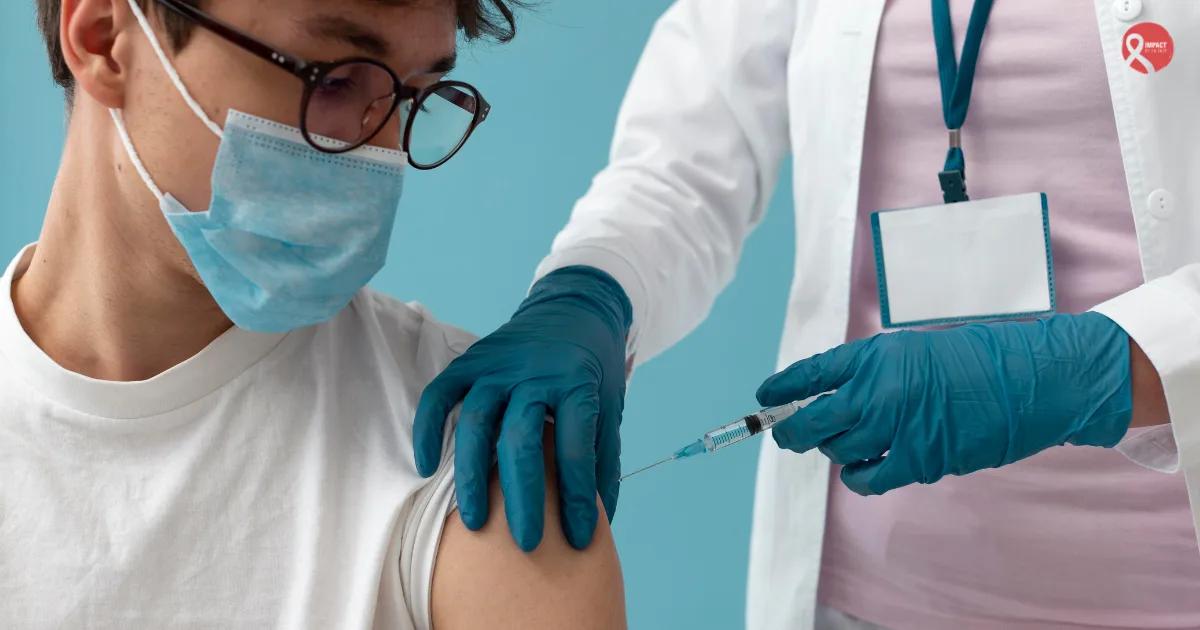
Human papillomavirus (HPV) is a common infection that spreads through sexual contact. It can lead to some cancers and other health problems in both men and women. Most people link HPV with cervical cancer in women, but it affects men's health too. Here I explain the HPV vaccine for men, why it matters, when to take it, its benefits, its safety and common worries.
ગુજરાતી માં વાંચવા માટે અહીંયા ક્લિક કરો
Understanding HPV and its effect on men's health
HPV is a group of over 200 related viruses. Some of them are called high-risk, because they can cause cancer. In men, a long-lasting infection with high-risk HPV can lead to:
- Cancers:
- Oropharyngeal (throat) cancer: HPV is linked to about 70% of these cancers, which affect the throat, the back of the tongue and the tonsils.
- Anal cancer: HPV infection can put men at risk of cancer of the back passage.
- Penile cancer: HPV can cause cancer of the penis, though it is quite rare.
- Oropharyngeal (throat) cancer: HPV is linked to about 70% of these cancers, which affect the throat, the back of the tongue and the tonsils.
- Genital warts: Low-risk HPV types can cause warts in the private parts, which are uncomfortable and need treatment.
Why the HPV vaccine for men is important
The HPV vaccine plays a big role in preventing HPV-related diseases in men:
- Cancer prevention: The vaccine protects against the high-risk HPV types that cause cancers of the throat, anus and penis.
- Fewer genital warts: It also acts on low-risk HPV types, so it helps prevent genital warts.
- Herd immunity: When many people are vaccinated, HPV spreads less in the community. This also protects people who are not vaccinated.
HPV vaccination advice for men
Health authorities give clear guidelines for HPV vaccination in boys and men:
- Routine vaccination:
- Age 11 or 12: The Centers for Disease Control and Prevention (CDC) advises routine HPV vaccination at age 11 or 12. It can be started as early as age 9.
- Age 11 or 12: The Centers for Disease Control and Prevention (CDC) advises routine HPV vaccination at age 11 or 12. It can be started as early as age 9.
- Catch-up vaccination:
- Age 13 to 26: Boys and men who were not vaccinated earlier should take the vaccine up to age 26.
- Age 13 to 26: Boys and men who were not vaccinated earlier should take the vaccine up to age 26.
- Vaccination for age 27 to 45:
- Men aged 27 to 45 who are not vaccinated can think about it after talking with their doctor. The benefit is smaller at this age, because many people have probably already been exposed to HPV.
HPV vaccine schedule and doses
The schedule depends on the age when you start:
- Before the 15th birthday:
- Two doses:
- First dose: on the date you choose.
- Second dose: 6 to 12 months after the first dose.
- Two doses:
- On or after the 15th birthday:
- Three doses:
- First dose: on the date you choose.
- Second dose: 1 to 2 months after the first dose.
- Third dose: 6 months after the first dose.
- Three doses:
People with certain conditions that weaken immunity should take three doses, whatever their age.
Safety and side effects of the HPV vaccine
A lot of research shows the HPV vaccine is safe and works well:
- Common side effects:
- Pain, redness or swelling where the injection was given.
- Fever.
- Headache or tiredness.
- Nausea.
- Muscle or joint pain.
These side effects are usually mild and go away on their own.
- Serious side effects:
- Severe allergic reactions are rare.
- Vaccine safety is checked all the time by monitoring systems, to protect public health.
Answers to common worries about the HPV vaccine
It is natural to have questions about the HPV vaccine. Here are answers to some common ones:
- Does the vaccine encourage early or careless sexual activity?:
- No. Studies show no link between the HPV vaccine and more sexual activity. The vaccine is only there to prevent HPV-related diseases.
- No. Studies show no link between the HPV vaccine and more sexual activity. The vaccine is only there to prevent HPV-related diseases.
- Is the vaccine needed for those who are not sexually active?:
- Yes. Taking the vaccine before becoming sexually active gives protection before any contact with HPV.
- Yes. Taking the vaccine before becoming sexually active gives protection before any contact with HPV.
- Can the vaccine treat an HPV infection you already have?:
- No. The vaccine prevents new HPV infections, but it does not treat existing ones.
Conclusion
The HPV vaccine is an important way to prevent many HPV-related cancers and diseases in men. By following the advised schedule and understanding its benefits, men can protect their health early. Please talk to your doctor about the HPV vaccine to make the right decision for you.
Treatment information: Cervical Cancer Treatment in Ahmedabad: HPV, Screening, Stages and Care
Related patient guides
This page is for general information and does not replace a consultation. Treatment decisions depend on each patient's diagnosis.