What Causes Cervical Cancer Besides HPV? Exploring Additional Risk Factors

By Dr Ekta Vala Chandarana, Senior Consultant Medical Oncologist
Updated September 2025
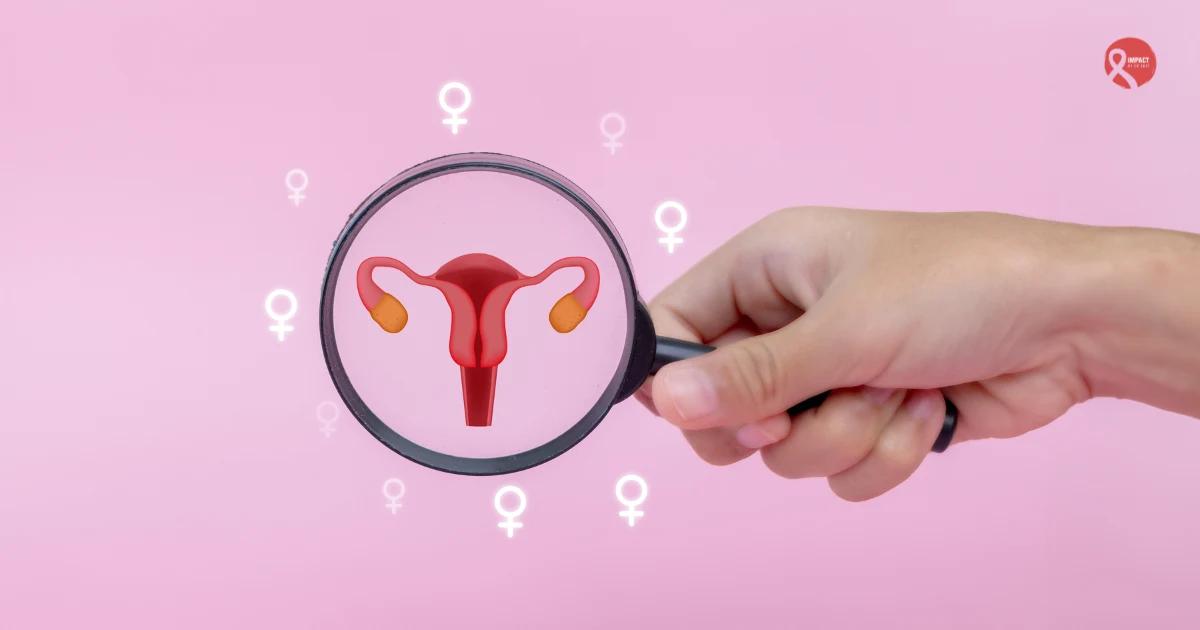
Most people link cervical cancer with the human papillomavirus (HPV), and HPV is indeed the main cause. But many women ask me: what causes cervical cancer besides HPV? Knowing the other risk factors helps you prevent it, catch it early and look after your health. Here I explain the other causes, lifestyle habits and body factors that may add to the risk, so you can make good choices for your health.
Understanding cervical cancer
Cervical cancer starts in the cells lining the cervix. The lower part of the womb that joins the vagina. HPV causes most cases. But research shows other things can also raise the risk a lot.
How cervical cancer develops
- Some cells in the cervix change and start growing without control.
- These changes can be set off by infection, lifestyle habits or weak immunity.
- If not treated, these abnormal cells can slowly turn into cancer.
The known cause: HPV and its role
Before we look at other risk factors, remember that HPV is the main cause:
- Some types of HPV, especially HPV-16 and HPV-18, are high-risk.
- HPV spreads through sexual contact and affects many people around the world.
- The virus disturbs how the cells of the cervix normally work, so they grow abnormally.
But having HPV does not mean you will surely get cancer. Other risk factors affect whether HPV leads to cervical cancer.
Additional risk factors for cervical cancer
1. Smoking and tobacco use
Smoking is directly linked to cervical cancer. It weakens the immune system and damages the cells of the cervix.
How smoking raises the risk:
- The body becomes weaker at fighting HPV.
- Harmful chemicals reach the cervix and can damage the genes in cells.
Key points:
- Women who smoke are about twice as likely to get cervical cancer.
- Even breathing in other people's smoke may raise the risk.
2. Weak immune system
A healthy immune system can often control HPV and abnormal cell growth. But some conditions weaken immunity.
Conditions that weaken immunity:
- HIV/AIDS
- Organ transplant, where medicines that lower immunity are needed
- Long-term illnesses like diabetes
Effect:
- HPV infection is more likely to stay in the body.
- The body is weaker at repairing damaged cells.
3. Long-term use of birth control pills
Some studies show that taking birth control pills for a long time may raise cervical cancer risk slightly.
Why this happens:
- Hormone changes may affect the cells of the cervix.
- Taking the pills for more than five years may raise the risk.
Keep in mind:
- Talk to your doctor before starting or continuing pills for a long time.
- Weigh the benefits and risks for your own health.
4. Many pregnancies and early pregnancy
Having many full-term pregnancies, or getting pregnant at a young age, can add to the risk.
Possible reasons:
- Hormone changes in pregnancy affect the cells of the cervix.
- Injury to the cervix during childbirth may make it more vulnerable.
What I advise:
- Get regular screening during and after pregnancy.
- Follow safe sexual and reproductive health habits.
5. Poor nutrition and diet
When the body lacks important nutrients, the immune system may not fight infections like HPV well.
Low levels linked to higher risk:
- Vitamin A
- Vitamin C
- Folate (Vitamin B9)
Healthy eating tips:
- Eat fruits, vegetables and whole grains.
- Eat less processed and oily food.
6. Early sexual activity and many sexual partners
Starting sex at a young age, or having many partners, makes HPV infection more likely.
How it affects risk:
- More partners mean more chances of getting HPV.
- Starting early means a longer time of exposure.
How to protect yourself:
- Practise safe sex, using protection like condoms.
- Think about the HPV vaccine before becoming sexually active.
7. Genes and family history
This is less common, but family history may play a part in cervical cancer risk.
How it works:
- Some gene changes may make some women more vulnerable.
- Cancer in family members can point to an inherited risk.
My advice:
- Tell your doctor about your family history.
- Get screened regularly.
8. Environment and work exposures
Some pollution and things you are exposed to at work may raise cancer risk.
Examples:
- Working with industrial chemicals for a long time.
- Contact with harmful substances like asbestos.
Precautions:
- Use protective gear in unsafe workplaces.
- Ask for safer rules at your workplace.
Additional risk factors for cervical cancer: summary
| Risk Factor | How It Increases Risk | Recommendations |
|---|---|---|
| Smoking | Weakens immunity, damages cells | Quit smoking, avoid passive smoke |
| Weakened immune system | Reduces defense against HPV | Regular health checks, manage chronic conditions |
| Long-term contraceptive use | Alters hormonal balance | Consult healthcare provider before extended use |
| Multiple or early pregnancies | Increases trauma and hormonal changes | Family planning advice, regular screenings |
| Poor nutrition | Weakens immune response | Eat nutrient-rich foods, supplements if needed |
| Early sexual activity/multiple partners | Increases HPV exposure | Safe sex practices, HPV vaccination |
| Genetic history | May inherit mutations | Disclose family history, preventive care |
| Environmental exposures | Toxic substances harm cells | Use safety equipment, reduce exposure |
Short FAQ section
Can cervical cancer occur without HPV?
Yes, though rarely. HPV is the main cause, but smoking, weak immunity and long-term birth control pills can add to the risk.
How can I lower my risk of cervical cancer?
Don't smoke, practise safe sex, eat healthy food, and get regular screening like Pap smears.
Is cervical cancer hereditary?
Usually not. But some gene factors and family history may raise the risk slightly.
Does using birth control pills cause cervical cancer?
Not directly. Long-term use may raise the risk slightly, but the benefits are often greater than the risks. Talk to your doctor.
How often should I get screened for cervical cancer?
Usually a Pap test every 3 years for women aged 21–65, or as your doctor advises.
Final thoughts
HPV is still the most common cause of cervical cancer. But knowing what causes cervical cancer besides HPV helps you spot other risks you can avoid. With healthier habits, regular screening, and awareness of family and surroundings, women can greatly lower their chances of getting cervical cancer.
Prevention starts with knowing. Talk to an oncologist about your worries and take steps early to protect yourself. Being aware and acting early is the key to staying healthy.
I hope this helps you and the women around you make good choices and live healthier lives.
Treatment information: Cervical Cancer Treatment in Ahmedabad: HPV, Screening, Stages and Care
Related patient guides
This page is for general information and does not replace a consultation. Treatment decisions depend on each patient's diagnosis.