
Scalp Cooling Technology in Ahmedabad: Reducing Hair Loss During Chemotherapy

By Dr Ekta Vala Chandarana, Senior Consultant Medical Oncologist
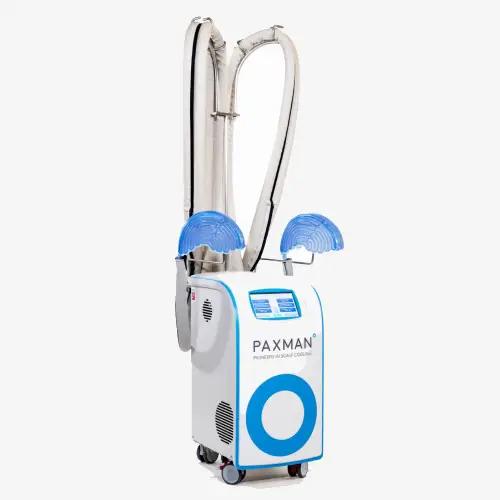
Now at Medisquare Hospital: scalp cooling during chemotherapy
Hair loss is one of the side effects of chemotherapy that people notice most, and it can hurt emotionally. For many of my patients it is not just a change in looks. It is a daily reminder of the illness, and it can affect confidence and how you meet people. Many people worry about it even before treatment starts.
Scalp cooling during chemotherapy is a supportive method used in clinics to help reduce hair loss from chemo. It does not stop hair loss fully in every patient. But in many people it can reduce it a lot, depending on the treatment plan and how each body responds.
It works by protecting the hair roots during chemotherapy. More and more cancer centres now use it, because good care looks after the whole person. It helps with both the body and the feelings, so patients feel more in control during treatment.
Scalp cooling is now available at Medisquare Hospital, Ahmedabad, so my patients can get this support along with their chemotherapy.
Video: how can hair loss from chemotherapy be prevented?
What is scalp cooling technology, and how does it work?
Scalp cooling is a method used to reduce hair loss during chemotherapy. A special cooling cap, connected to a machine, is put on your head before, during and after the chemo drip.
Chemotherapy attacks cells that divide fast. This includes cancer cells, but also healthy hair roots. When the scalp is cold, less of the chemo medicine reaches the hair roots. So the chance of losing hair is lower. Scalp cooling protects the hair roots for the time of treatment.
When the scalp is cooled:
- The blood vessels in the scalp become narrow (vasoconstriction), so less chemo medicine reaches the hair roots.
- The hair roots slow down their work, so they are less easily harmed.
- An automatic machine keeps the cap at a fixed, controlled temperature.
Types of scalp cooling
There are two main kinds of scalp cooling (American Cancer Society):
- Automatic (machine) scalp cooling: a soft cap is connected to a machine that keeps cold liquid flowing through it at a steady temperature. This is the kind of system we use.
- Manual frozen caps: gel caps are frozen and changed for a fresh cold cap again and again during treatment. They are harder to use, and the temperature is less steady.
Who can benefit from scalp cooling?
Scalp cooling works best for people getting chemotherapy for solid tumours (cancers that form a lump), like:
- Breast cancer
- Ovarian cancer and other gynaecological cancers
- Some cancers of the stomach and gut
It may work less well, or may not be advised, in blood cancers.
Scalp cooling is usually not advised for people with leukaemia, lymphoma or multiple myeloma; cancer in the brain or spinal cord; chemo given before a bone marrow or stem cell transplant; radiation to the skull; some conditions that make the body very sensitive to cold; and children (American Cancer Society).
How well it works also depends on the medicines. It tends to work less well with some chemo medicines, such as doxorubicin-type medicines (anthracyclines), with very thick hair, or if the cap does not fit snugly. It does not prevent hair thinning from immunotherapy or targeted therapy (American Cancer Society).
Please always ask your oncologist if it is right for you.
Benefits of scalp cooling technology
- Less hair loss: in many people on chemotherapy, scalp cooling can reduce hair loss a lot. It depends on which medicines are used.
- Emotional support: keeping your hair helps many people feel like themselves, keep their dignity and stay emotionally stronger during treatment.
- Easier to accept treatment: fear of hair loss can stop some people from starting or continuing chemotherapy. Scalp cooling helps with this worry.
- Recognised supportive care: automatic scalp cooling machines are used in many countries. Studies support their use in some solid tumours.
What the studies show: in one trial in women with early breast cancer, about half of those who used scalp cooling kept most of their hair (5% had no hair loss and 45% lost less than half) while all the women without cooling lost more than half of their hair. In a larger study of 226 people with different solid tumours, 65% had no hair loss or only mild hair loss (National Cancer Institute). These are group results. Every person is different, and I cannot promise how much hair you will keep.
Getting ready for scalp cooling
- Talk to me before your first chemo. Scalp cooling works best when it is used from the very first cycle.
- We check if it suits you: your cancer type, your chemo medicines and your general health.
- Plan for a longer day. Cooling before and after the drip adds time to each session.
- Bring warm clothes. A shawl, socks and a warm drink help you feel more comfortable.
- Hair preparation: the nurse usually wets your hair and may apply a little conditioner, so the cap sits close to the scalp. A good, tight fit matters a lot.
- Check cost and cover. Insurance cover differs, so ask at the hospital desk. See paying for cancer treatment.
What happens during a scalp cooling session
Usual scalp cooling schedule:
- 30–45 minutes before chemotherapy
- During the whole chemotherapy drip
- 1–2 hours after chemotherapy is finished
The cap feels very cold for the first few minutes. After that, most people get used to it. You can sit in the chair, read, listen to music or chat with your family. The nurse checks the fit of the cap and how you are feeling.
Scalp cooling is usually used in every chemotherapy cycle, to get the most benefit. If you skip sessions, it may protect the hair roots less.
Side effects, limits and things to know
Side effects of scalp cooling are usually mild and for a short time. They include a cold feeling, headache, chills, neck and shoulder discomfort, or a tight feeling on the scalp, mostly at the start of cooling (National Cancer Institute). These usually get less as treatment goes on. A warm drink, a blanket and a mild pain tablet (if I approve it) can help.
Some people worry that cooling could let cancer cells hide in the scalp. Studies so far, mostly in breast cancer, show this risk is very low and have not shown that scalp cooling increases it (American Cancer Society).
Limits and things to know:
- It does not work 100%: results depend on the type of chemo and on each person.
- It takes extra time: cooling before and after chemo makes each session longer.
- It feels cold: some people get a headache or chills at the start.
- Cost and availability: insurance cover differs, and not every centre has it.
- Not for every cancer: usually not advised for some blood cancers or for people with conditions that make them sensitive to cold.
Caring for your hair during and after chemotherapy
Some hair thinning or shedding is normal even with scalp cooling. Gentle hair care helps the roots that were protected.
- Wash your hair gently, not too often, with lukewarm water and a mild shampoo.
- Use a wide-tooth comb or soft brush. Avoid pulling your hair into tight styles.
- Avoid hair dryers on high heat, straighteners, hair colour and chemical treatments during chemo.
- Protect your scalp from strong sun with a cap or scarf.
- If you lose hair anyway, a scarf, cap or wig is fine. Hair usually grows back after treatment. Some people also receive wigs made from donated hair, read about hair donation to cancer patients.
Hair loss is only one side effect of chemo. My guides on managing side effects and coping with cancer can help with the others, including the feelings that come with it.
In short
Scalp cooling is one of the most useful supportive options we have today to reduce hair loss from chemotherapy (alopecia). It cannot promise that you will keep all your hair. But for many people on chemo, it makes a real difference.
If you are interested in scalp cooling, please talk to your oncology team. We will check if it suits your treatment plan.
Questions to ask me (or any doctor) about scalp cooling
- Is scalp cooling suitable for my type of cancer?
- How well does it usually work with my chemo medicines?
- Do I need to start from my first chemo cycle?
- How much longer will each chemo day take?
- What will it cost per session, and will insurance cover it?
- How should I wash and care for my hair during treatment?
- What should I do if I still lose a lot of hair?
- Is there any reason scalp cooling may not be safe for me?
You can find more in my list of questions to ask your doctor.
When to talk to me about scalp cooling
The best time to ask about scalp cooling is before your first chemotherapy session, because it needs to be used from the start. If you or someone in your family is about to start chemo in Ahmedabad and hair loss is a worry, please book a visit with me. We will look at your treatment plan together and decide honestly whether scalp cooling is likely to help.
If you are using scalp cooling and get a strong headache that does not settle, skin damage on the scalp, or feel unwell during cooling, tell the nurse at once.
Questions patients ask me
Does scalp cooling really work to prevent hair loss during chemotherapy?
Yes, for many people it can reduce hair loss a lot, especially those getting chemo for solid tumours. Results depend on the chemo medicines and on each person.
Who should not use scalp cooling?
It may not be advised for people with some blood cancers, conditions that make them sensitive to cold, or some other medical problems. Your oncologist should check if it is right for you before you start.
In how many chemotherapy sessions do I need scalp cooling?
Usually in every chemotherapy cycle, to get the most benefit. If you skip sessions, it may protect the hair roots less.
Does scalp cooling have side effects?
Yes, some mild ones for a short time, a cold feeling, headache or a tight feeling on the scalp, mostly at the start of cooling. These usually get less as treatment goes on.
Is scalp cooling covered by insurance in India?
It depends on your insurance company and policy. Often it is seen as supportive care and is not part of standard cancer treatment cover. Please check with your hospital or insurance company.
Is scalp cooling available in Ahmedabad?
Yes: scalp cooling is now available at Medisquare Hospital, Ahmedabad, for suitable patients getting chemotherapy. Please ask me before your first cycle so we can plan it.
Sources
The facts and numbers on this page come from these sources. Every person is different, so please talk to your own doctor about what applies to you.