
Is Surgery Always Required for Ovarian Cancer?

By Dr Ekta Vala Chandarana, Senior Consultant Medical Oncologist
Updated November 2025
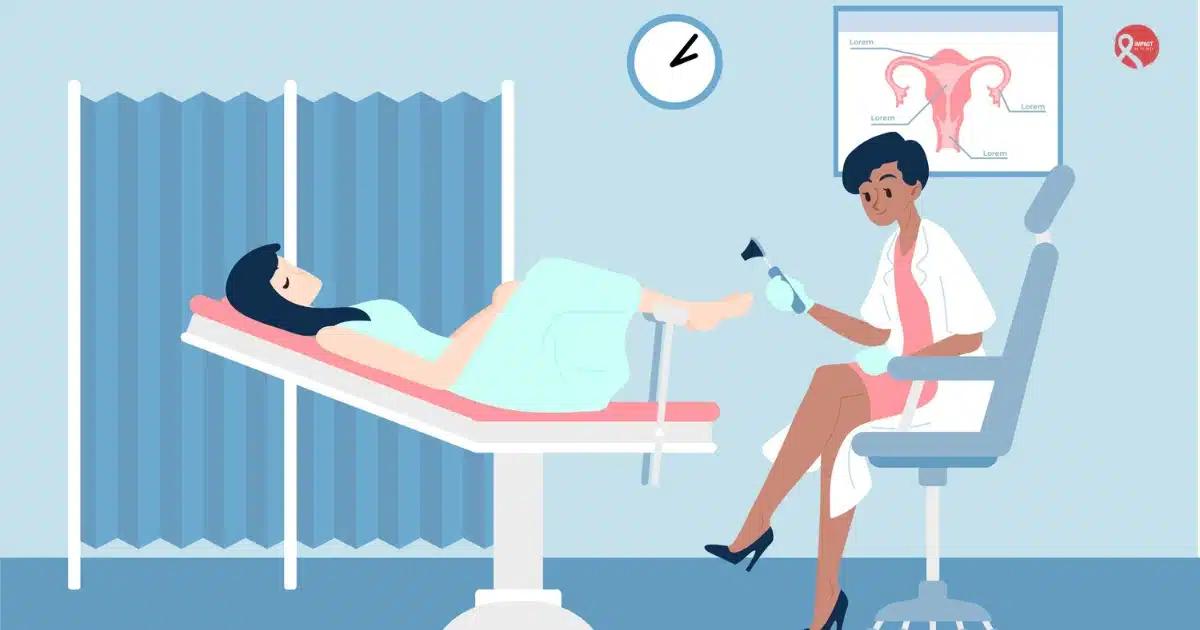
When a woman is told she has ovarian cancer, one of the first questions she asks me is:
"Will I need surgery?"
Surgery is a main part of treatment for many women with ovarian cancer. But it is not always needed. And even when it is, the type of surgery and when it is done can be very different from person to person.
Here I will explain when surgery is needed, when it may be avoided, and what other or extra treatments are there. I will also explain how we take this big decision, always planned around you and your needs.
Understanding ovarian cancer
Ovarian cancer starts in the ovaries. These are two small organs in a woman's body that make eggs and hormones like estrogen and progesterone.
This cancer is often missed in the early stage, because the signs are vague (like bloating, stomach pain or gas and indigestion) and easy to ignore.
Types of ovarian cancer
| Type | Description | Common Occurrence |
|---|---|---|
| Epithelial Ovarian Cancer | Starts in the outer lining of the ovary | Most common (90%) |
| Germ Cell Tumor | Begins in the cells that produce eggs | More common in young women |
| Stromal Tumor | Originates in hormone-producing tissues | Rare, usually detected early |
Why surgery is often the first step
In most women, surgery does two jobs: it helps us diagnose and treat ovarian cancer.
I often suggest surgery to:
- Confirm the diagnosis (by taking tissue samples)
- Find the stage of the cancer
- Remove the tumours or organs that we can see are affected
- Ease symptoms like pain or bloating from a large lump
For many women, surgery together with chemo or targeted therapy gives the strongest chance of living long.
Types of ovarian cancer surgery
The type of surgery depends on how advanced the cancer is and where it has spread.
| Surgery Type | Purpose | Details |
|---|---|---|
| Debulking Surgery (Cytoreductive Surgery) | To remove as much tumor as possible | Often performed when cancer has spread beyond ovaries |
| Total Hysterectomy | Removal of uterus and both ovaries | Common in advanced cases |
| Unilateral Oophorectomy | Removal of one ovary | For early or localized cancer |
| Salpingo-Oophorectomy | Removal of ovary and fallopian tube | May be done if cancer is limited |
| Laparoscopic Surgery | Minimally invasive approach | Used for diagnosis or early-stage tumors |
When surgery may not be required
In some situations, surgery may not be the right first choice, or it may be done later:
1. When the cancer has spread widely
If the cancer has spread too much, surgery right away may not help. Then I give neoadjuvant chemotherapy (chemo before surgery) to shrink the tumours first. This makes surgery later safer and more effective.
2. When the patient's health is weak
If a patient has other health problems (heart disease, diabetes, or poor general health) I may suggest treatment without surgery first.
3. When the aim is palliative care (comfort care)
In advanced stages, when we cannot remove all the cancer, treatment focuses on easing symptoms and helping you live better, instead of surgery.
4. When surgery could affect having children
Young women with early-stage cancer may choose fertility-sparing treatment: keeping one ovary or the uterus (womb), so they can still have a baby.
Other treatments for ovarian cancer
Even if surgery is not possible at first, other treatments are very important to control the cancer and help you live longer.
1. Chemotherapy
- Strong medicines that kill or shrink cancer cells.
- Usually given before surgery (neoadjuvant) or after surgery (adjuvant).
- Common medicines: Carboplatin, Paclitaxel.
2. Targeted therapy
- Aims at certain genes or proteins that help the cancer grow.
- Example: PARP inhibitors (Olaparib, Niraparib): they work especially well for women with a BRCA gene change.
3. Immunotherapy
- Makes your immune system stronger, so it can find and kill cancer cells.
- Used in some cases, when gene testing shows it can help.
4. Radiation therapy
- Rarely used for ovarian cancer, but it may help control symptoms in one area in advanced stages.
The role of chemotherapy before surgery (neoadjuvant chemotherapy)
In many advanced ovarian cancers, chemo before surgery helps to:
- Shrink the tumours so they are easier to remove
- Lower the risk of problems during surgery
- Improve survival overall
After a few cycles of chemo, I check again with scans and blood tests (like CA-125 levels) to decide if surgery should be done next.
| Approach | When Used | Advantages |
|---|---|---|
| Primary Surgery | Cancer is limited or operable | Immediate tumor removal |
| Neoadjuvant Chemotherapy - Interval Surgery | Tumor too large initially | Safer, more successful tumor reduction |
| Chemotherapy Only | Patient unfit for surgery | Manages symptoms, slows progression |
Fertility preservation in ovarian cancer
Young women often worry about having children later, and that is a very fair worry.
With better treatment today, fertility-sparing surgery is possible in early-stage cases.
Options include:
- Removing only the ovary that has cancer (unilateral oophorectomy)
- Keeping the uterus and one ovary
- Freezing eggs or embryos before treatment starts
Important: Please always talk about your plans for children with your oncologist before surgery.
Life after ovarian cancer surgery
Recovery after ovarian cancer surgery can take a few weeks. It depends on how big the surgery was.
Common problems after surgery
- Stomach discomfort or bloating
- Tiredness
- Hormone changes (if the ovaries are removed)
- Feeling low or upset
Tips for recovery
- Eat small, healthy meals
- Don't lift heavy things for at least 4–6 weeks
- Drink enough water and stay active (gentle walks help)
- Take support from family, friends and counsellors
Long-term care
- Regular follow-ups and CA-125 blood tests
- Scans every few months
- Watching for the cancer coming back, or for side effects of treatment
How doctors decide whether surgery is needed
There is no one answer for everyone.
A team of cancer doctors from different fields looks at your case based on:
| Factor | Influence on Decision |
|---|---|
| Stage of Cancer | Early - surgery preferred; Advanced - chemotherapy first |
| General Health | Poor health may delay or replace surgery |
| Tumor Spread | Extensive disease → non-surgical treatments first |
| Fertility Desire | Conservative surgery if fertility preservation desired |
| Response to Chemotherapy | Good response may allow interval surgery |
Living beyond ovarian cancer
Many women live long, happy lives after ovarian cancer.
After treatment, the focus moves to recovery, peace of mind and healthy habits.
Tips after treatment
- Eat a balanced diet with plenty of fruits and vegetables
- Go for regular check-ups to watch for the cancer coming back
- Manage menopause symptoms (if you have them)
- Join support groups for mental strength and motivation
FAQ section
Is surgery always required for ovarian cancer?
Not always. Surgery is standard for most women, but some get chemo first, or targeted therapy if surgery is not safe or possible.
Can ovarian cancer be treated without surgery?
Yes: in advanced cases, or when surgery is not possible, chemo and targeted therapy are the main treatments to shrink tumours and control the cancer.
What happens if ovarian cancer spreads to other organs?
Usually I start with chemotherapy to shrink the tumour, and then do surgery later if possible.
Can ovarian cancer be cured completely?
Yes, in many cases, if found early and treated properly, many women have long-term remission (no signs of cancer) or a full cure. But regular check-ups are still needed to catch any return early.
Is fertility possible after ovarian cancer treatment?
Yes, especially in early-stage cases. Fertility-sparing surgery and saving eggs are options.
Final thoughts
So, is surgery always required for ovarian cancer?
The answer is: not always.
Surgery is still a main part of treatment for many women. But today we have many paths (chemo, targeted therapy and immunotherapy) chosen to fit each woman's condition.
The right plan depends on the stage of cancer, your general health and your personal goals, like having children.
What matters most is finding it early, talking openly with your doctors, and a treatment plan made for you: so you live longer and live well.
Treatment information: Ovarian Cancer Treatment in Ahmedabad: Signs, Tests, Stages and Care
Related patient guides
This page is for general information and does not replace a consultation. Treatment decisions depend on each patient's diagnosis.