
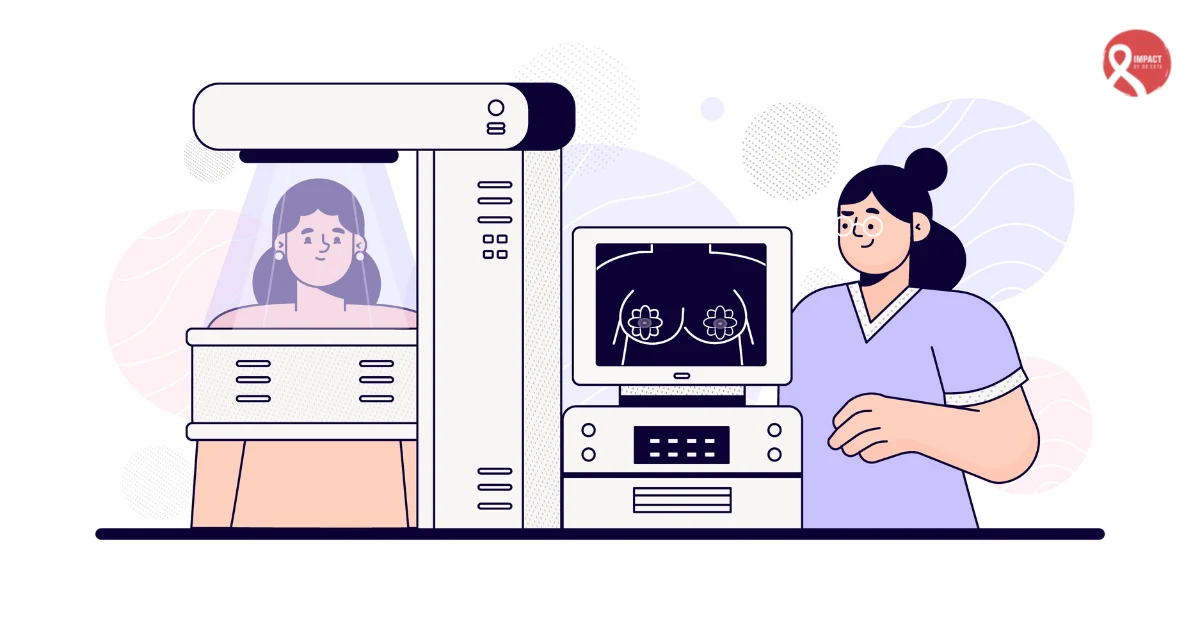
Breast cancer is one of the most common cancers affecting women worldwide. Early detection is the key to better treatment outcomes and survival rates. Mammography is a vital screening tool that allows doctors to detect breast changes even before symptoms appear. This guide will help you understand mammography, how it works, who should get it, and why regular screening is essential.
What is Mammography?
- Mammography is an X-ray imaging technique specifically for the breasts to detect abnormalities, lumps, or early signs of cancer.
- Purpose: Detects breast cancer early, often before it can be felt.
- Types of Mammography:
- Digital Mammography: Captures breast images digitally, easier for storage and sharing.
- 3D or Tomosynthesis Mammography: Provides layered images for more accurate detection of small tumors.
- Quick Procedure: Usually takes 10-20 minutes per session.
Importance of Mammography
- Early detection significantly increases the chances of successful treatment.
- Helps identify cancers that are too small to be felt through self-exams.
- Reduces the need for more aggressive treatments by catching disease in initial stages.
- Regular mammography can save lives, especially in women above 40 or those with a family history of breast cancer.
How Mammography Works
- During a mammogram, the breast is gently compressed between two plates.
- Low-dose X-rays take images of the breast tissue.
- Radiologists analyze these images to detect abnormal areas or changes in breast tissue density.
- 3D mammography can detect subtle changes that 2D might miss.
Who Should Get Mammography?
- Women aged 40–74: Recommended for all women every 1-2 years.
- High-risk women:
- Strong family history of breast cancer
- Known genetic mutations (e.g., BRCA1, BRCA2)
- Previous chest radiation therapy before age 30
- Symptoms: Lump, nipple discharge, skin changes, or persistent breast pain may warrant earlier screening.
Frequency of Mammography
| Age Group | Recommended Frequency | Notes |
|---|
| 40-49 | Every 1-2 years | Decision based on individual risk factors |
| 50-74 | Every 1-2 years | Standard recommendation for routine screening |
| 75+ | Based on health status | May continue if life expectancy >10 years |
Benefits of Mammography
- Detects breast cancer early, improving treatment outcomes.
- Reduces mortality from breast cancer in women over 40.
- Provides baseline images for future comparison.
- Non-invasive and relatively quick procedure.
Risks and Limitations
- False positives: May lead to unnecessary additional tests.
- False negatives: Some cancers may not be detected, especially in dense breast tissue.
- Radiation exposure: Very low dose; generally considered safe for routine screening.
- Discomfort: Compression can cause temporary discomfort or mild pain.
Preparing for Mammography
- Avoid deodorants, powders, or perfumes on the day of the test.
- Wear a two-piece outfit for convenience.
- Share your medical history and any breast changes with the technologist.
- Previous mammograms should be brought for comparison.
After Mammography
- Results usually available within a few days.
- If abnormalities are found, follow-up tests may include ultrasound, MRI, or biopsy.
- Even if normal, continue regular screenings as per age guidelines.
Common Patient Questions
Q1: Is mammography painful?
Most women experience mild discomfort due to breast compression, which lasts only a few seconds.
Q2: How often should I get a mammogram?
Women aged 40-74 should get a mammogram every 1-2 years, based on risk factors.
Q3: Can mammography detect all breast cancers?
While highly effective, it may miss cancers in dense breast tissue or very small tumors.
Q4: Is it safe during menopause or after?
Yes, mammography is safe at any age and remains important for early detection.
Conclusion
Mammography is a simple, safe, and powerful screening method for detecting breast cancer early. By following recommended guidelines, women can significantly reduce their risk of advanced disease and improve survival outcomes. Combining mammography with clinical breast exams, self-awareness, and lifestyle measures offers the best protection.
An experienced Oncologist in Ahmedabad emphasizes that regular mammography is not just a screening test, it’s a lifesaving tool that empowers women to take control of their breast health.
Authoritative References
- NIBIB – Mammography
- Wikipedia – Mammography
- Radiology Info – Mammography