
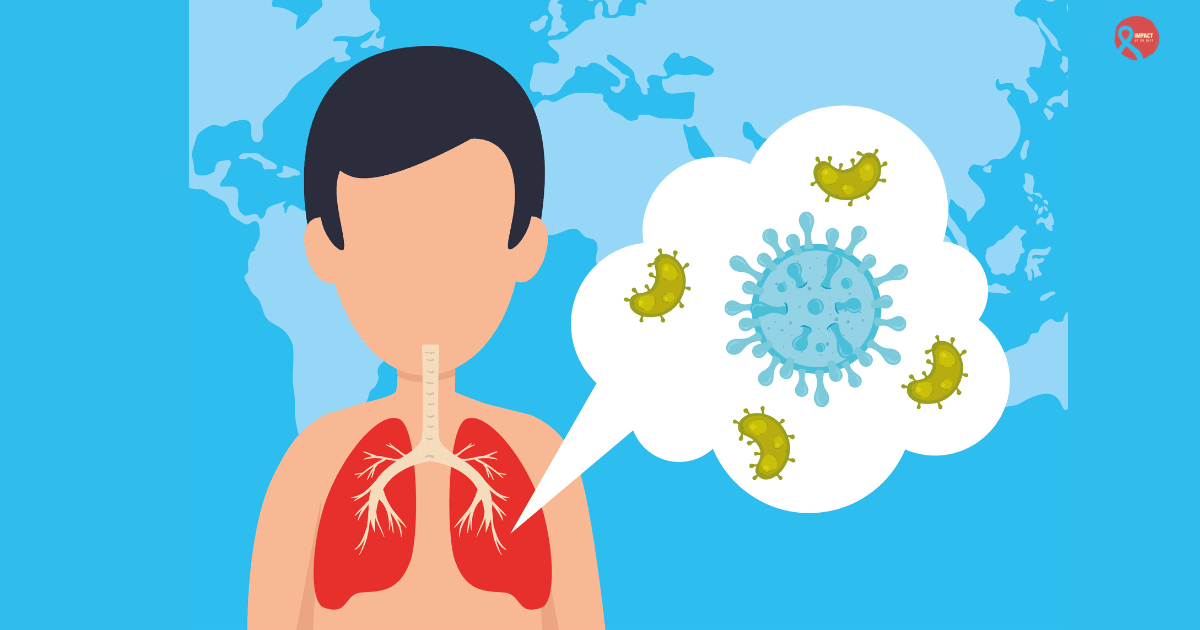
Air the very element we need to survive can also quietly harm us. Over the past few decades, doctors and researchers have uncovered a disturbing reality: polluted air isn’t just making it harder to breathe, it’s also increasing the risk of lung cancer.
While smoking remains the leading cause, there’s growing evidence that air pollution especially in cities is contributing significantly to lung-related diseases, even in people who have never smoked a day in their life.
In this article, we’ll explore how air quality affects lung health, what types of pollutants are most dangerous, and how we can all take practical steps to protect ourselves and reduce the risk of lung cancer.
Understanding Lung Cancer: A Quick Overview
Before diving into the link between pollution and lung cancer, it’s important to understand the basics.
Lung cancer occurs when abnormal cells in the lungs start multiplying uncontrollably. These cells can invade nearby tissues or spread to other parts of the body.
There are two main types:
- Non-Small Cell Lung Cancer (NSCLC): The most common type, accounting for around 85% of cases.
- Small Cell Lung Cancer (SCLC): More aggressive and often linked to smoking.
Common Symptoms:
- Persistent cough or coughing up blood
- Shortness of breath
- Chest pain
- Fatigue and weight loss
Many cases are diagnosed late because symptoms often mimic minor respiratory issues – one reason early detection is crucial.
How Air Pollution Affects Lung Health
Our lungs act as filters for everything we breathe. When the air is clean, this system works smoothly. But when air quality declines, the lungs are forced to handle harmful particles, chemicals, and gases.
Major Air Pollutants That Impact Lung Health:
- Particulate Matter (PM2.5 and PM10): Tiny particles that penetrate deep into lung tissue, causing inflammation and DNA damage.
- Nitrogen Dioxide (NO₂): Emitted from vehicle exhausts and industrial processes; linked to chronic respiratory diseases.
- Ozone (O₃): A key component of smog, which can trigger oxidative stress in lung cells.
- Sulfur Dioxide (SO₂): Found near factories or coal combustion sites, irritating the respiratory tract.
What Happens in the Lungs
- Pollutants enter the airways and cause inflammation and oxidative stress.
- This long-term irritation can damage cellular DNA, increasing the risk of mutations.
- Over time, these mutations may lead to the formation of cancerous cells.
The Connection Between Air Quality and Lung Cancer
Over the last decade, large-scale studies by the World Health Organization (WHO) and International Agency for Research on Cancer (IARC) have confirmed that air pollution is a major carcinogen.
Even short-term exposure to poor air quality has been shown to increase hospital admissions for respiratory problems, while long-term exposure significantly raises the risk of lung cancer particularly adenocarcinoma, a subtype often found in non-smokers.
Key Insights from Research:
- The Global Burden of Disease Study found that outdoor air pollution contributes to over 250,000 deaths from lung cancer every year.
- Living near busy roads or industrial zones can raise lung cancer risk by 20–30%, even after accounting for smoking habits.
- Fine particulate matter (PM2.5) exposure increases oxidative DNA damage, which is an early step in cancer formation.
Why Urban Areas Are at Higher Risk
Cities are hotspots for pollution – heavy traffic, construction dust, industrial emissions, and limited green cover create a perfect storm for poor air quality.
In countries like India, China, and parts of Europe, urban residents inhale air containing PM2.5 levels far above the WHO’s safe limits.
Major Contributors in Urban Settings:
- Vehicular emissions (cars, diesel trucks, motorbikes)
- Industrial smoke and power plants
- Dust from construction
- Burning of waste or biomass
- Lack of trees or natural air filters
This toxic mix doesn’t just affect the lungs – it burdens the heart, immune system, and overall lifespan.
Can You Get Lung Cancer Without Smoking?
Yes and it’s happening more often.
Globally, around 10–20% of lung cancer cases occur in non-smokers, and air pollution is a leading cause among them.
Other non-smoking risk factors include:
- Secondhand smoke exposure
- Genetic predisposition
- Radon gas exposure (from soil or buildings)
- Occupational exposure (asbestos, diesel exhaust, etc.)
However, pollution is unique because no one can completely avoid it. Even if you lead a healthy lifestyle, daily exposure to polluted air still affects your lungs silently.
Prevention: Protecting Yourself from Poor Air Quality
While we can’t eliminate pollution entirely, there are effective steps to reduce personal risk and strengthen lung health.
1. Track Air Quality Daily
Use reliable apps or government websites to monitor the Air Quality Index (AQI) in your area.
- Avoid outdoor activities when AQI is above 150.
- Prefer early morning or post-rain hours for exercise when pollution levels drop.
2. Create a Clean Indoor Environment
- Use air purifiers with HEPA filters.
- Keep windows closed during high-smog hours.
- Add indoor plants like areca palm or peace lily – they naturally improve air quality.
3. Strengthen Your Lungs Through Lifestyle
- Eat antioxidant-rich foods (vitamin C, E, beta-carotene).
- Practice deep breathing exercises and yoga.
- Stay hydrated it helps the body flush out toxins.
4. Support Clean Air Initiatives
- Reduce car usage – try carpooling, cycling, or public transport.
- Avoid burning trash or dry leaves.
- Support government or local efforts aimed at reducing emissions.
Medical Perspective: Screening and Early Detection
Even if you’ve never smoked, regular lung health screening can make a life-saving difference.
Doctors often recommend:
- Low-Dose CT (LDCT) scans for those with high-risk exposure or family history.
- Pulmonary function tests (PFTs) to measure lung capacity and detect early changes.
- Regular check-ups if you live in high-pollution areas.
Early diagnosis allows for timely treatment, improving outcomes and survival rates.
Living with Awareness, Not Fear
It’s easy to feel helpless when pollution seems unavoidable, but small, consistent steps like improving your indoor air, monitoring air quality, and taking care of your lungs can make a real difference.
The takeaway is not panic, but proactive awareness. Recognizing that clean air is as vital as clean water is the first step toward long-term lung health.
FAQs: Air Quality and Lung Cancer
- Can air pollution alone cause lung cancer?
Yes, Long-term exposure to fine particulate matter and toxic gases can damage lung cells and lead to cancer – even in non-smokers. - Who is most at risk?
People living in cities with poor air quality, workers exposed to industrial fumes, and individuals with family history of cancer are at higher risk. - Does wearing a mask help reduce lung cancer risk?
Yes, wearing N95 or higher-grade masks can significantly reduce inhalation of harmful particles, especially on high-pollution days. - Can diet help prevent lung cancer?
A diet rich in fruits, vegetables, and antioxidants supports lung repair and immunity, helping protect against damage from pollutants. - How can I check if my area’s air quality is safe?
Use apps like SAFAR India, IQAir, or AirVisual, which give real-time AQI data and health recommendations.
Final Thoughts
Air pollution is not just an environmental issue, it’s a public health crisis.
By understanding the connection between air quality and lung cancer, we empower ourselves to make better choices, demand cleaner cities, and protect future generations.
Breathing clean air is a basic human right, not a luxury. The more we recognize its role in disease prevention, the closer we move toward a healthier, cancer-free world.