
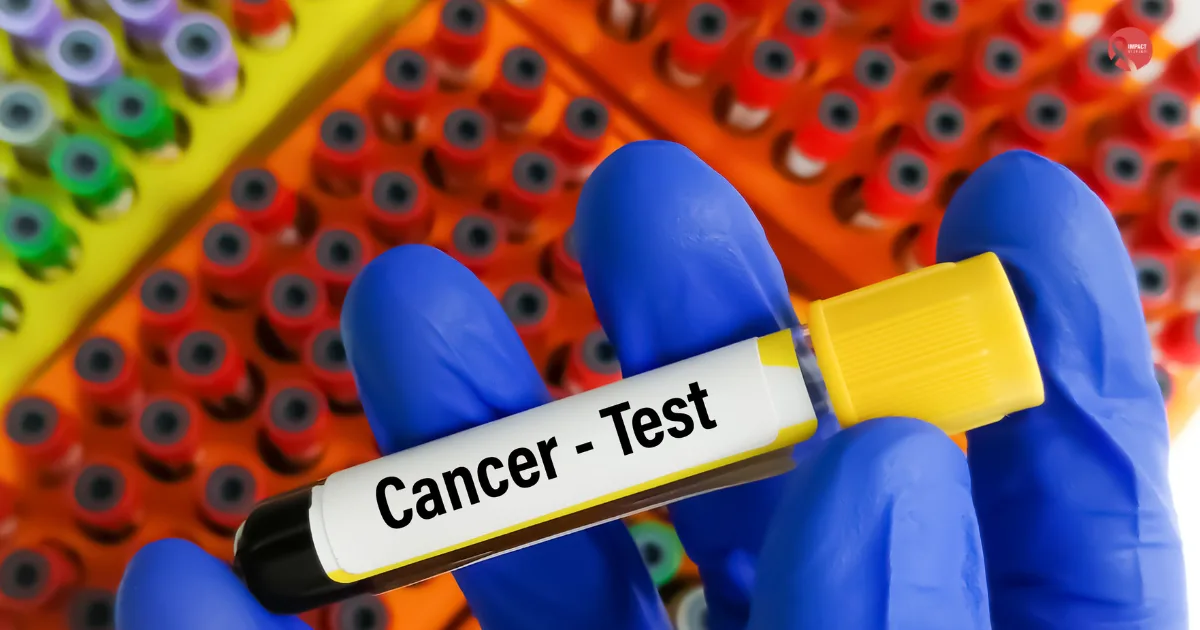
Hearing the word “cancer” can be frightening but what’s even more concerning is not knowing. Many cancers can be treated successfully if they are found early. That’s where cancer tests play a vital role.
A cancer test (or diagnostic test for cancer) helps detect the presence, type, and stage of cancer in the body. It can also monitor how well treatment is working or check if the disease has returned after therapy.
In this blog, we’ll walk you through what a cancer test is, why it’s important, what types exist, and what to expect before and after testing.
Why Cancer Tests Are Important
Early detection can save lives. Many people are diagnosed with cancer at advanced stages simply because they didn’t undergo screening or ignored early signs.
Here’s why cancer testing is so critical:
- Early detection improves survival rates – Treatment works best when cancer is found early.
- Helps identify risk factors – Screening can detect precancerous changes before they turn into cancer.
- Guides treatment planning – Tests help doctors decide the right treatment (surgery, chemotherapy, or radiation).
- Monitors treatment progress – Tests show how well your body is responding to therapy.
- Prevents recurrence – Follow-up tests can catch cancer if it returns.
Fact: According to the WHO, one-third of cancer deaths can be prevented with early detection and timely treatment.
When Should You Get a Cancer Test?
Not everyone needs to be tested for every type of cancer. However, you should consider testing if:
- You have a family history of cancer.
- You experience unusual symptoms (like lumps, fatigue, bleeding, or weight loss).
- You are exposed to risk factors (like smoking, radiation, or certain infections).
- You are over a certain age group (e.g., 40+ for breast or colon cancer).
- Your doctor recommends screening based on your medical profile.
Common Types of Cancer Tests
There’s no single test that detects all cancers. Doctors usually recommend specific tests depending on your symptoms or risk profile.
Here’s an overview of the most common cancer tests:
| Type of Test | Purpose | Examples / Cancers Detected |
|---|---|---|
| Screening Tests | Detect early signs before symptoms appear | Mammogram (Breast Cancer), Pap Smear (Cervical Cancer), Colonoscopy (Colon Cancer) |
| Imaging Tests | Create internal body images | X-ray, CT Scan, MRI, PET Scan |
| Blood Tests | Check for abnormal markers or substances | PSA (Prostate), CA-125 (Ovarian), CEA (Colon) |
| Biopsy | Examine a tissue sample under a microscope | Confirms cancer type and stage |
| Genetic Tests | Detect inherited mutations increasing cancer risk | BRCA1/2 (Breast & Ovarian), Lynch Syndrome (Colon & Uterine) |
| Molecular Tests | Analyze cancer cells for targeted therapies | EGFR, HER2, KRAS mutation tests |
Screening Tests for Early Detection
Screening doesn’t diagnose cancer but helps catch warning signs early.
Here are a few important cancer screening tests recommended for both men and women:
For Women
- Mammogram: Detects breast cancer. Recommended yearly after age 40.
- Pap Smear & HPV Test: Screens for cervical cancer.
- Pelvic Ultrasound: Checks for uterine or ovarian abnormalities.
For Men
- PSA Blood Test: Screens for prostate cancer.
- Testicular Self-Exam: Helps detect lumps or changes.
For Both
- Colonoscopy: Identifies colorectal cancer.
- Low-Dose CT Scan: For lung cancer in smokers or high-risk individuals.
- Skin Check: To detect early skin cancers or melanoma.
What Happens During a Cancer Test?
Cancer tests vary widely depending on the type, but here’s a general idea of what to expect:
1. Consultation and Medical History
Your doctor will:
- Ask about your symptoms and family history.
- Perform a physical examination.
- Recommend the appropriate test(s).
2. Preparation Before the Test
You may be asked to:
- Avoid eating/drinking before a blood or imaging test.
- Stop certain medications temporarily.
- Wear loose clothing for imaging procedures.
3. During the Test
Depending on the test:
- Imaging: You’ll lie on a table while images are captured.
- Blood Test: A small sample is taken from your arm.
- Biopsy: A small piece of tissue is removed under local anesthesia.
4. After the Test
- Some tests need no recovery; others (like biopsies) may cause minor soreness.
- You can usually resume normal activity soon after.
- Results may take a few days to a week.
How Are Cancer Test Results Interpreted?
Your doctor will analyze the results to determine if cancer cells or markers are present.
| Result Type | Meaning | Next Steps |
|---|---|---|
| Normal | No signs of cancer detected | Continue regular screening as advised |
| Abnormal | Cells look unusual or markers elevated | More tests may be required |
| Positive | Cancer or precancerous cells found | Treatment planning begins |
Remember: An abnormal result doesn’t always mean cancer – infections or benign growths can also cause changes.
Emotional Side of Cancer Testing
Waiting for test results can be one of the most stressful experiences. Anxiety, sleeplessness, and overthinking are natural.
Here’s how you can cope better:
- Stay informed – Understanding the process reduces fear.
- Talk to your doctor – Ask questions about the meaning of possible outcomes.
- Seek emotional support – Speak to family, friends, or a counselor.
- Practice mindfulness – Deep breathing or meditation can calm nerves.
Remember: Knowledge is empowering. A test doesn’t create cancer – it gives you a chance to fight it early.
Advances in Modern Cancer Testing
Medical science has evolved tremendously. New technologies now help detect cancers earlier and more accurately.
Some of the latest advancements include:
- Liquid Biopsies: Detect cancer through DNA fragments in the blood – non-invasive and fast.
- AI-Based Imaging: Artificial intelligence improves accuracy in mammograms and CT scans.
- Molecular Profiling: Identifies specific gene mutations for targeted therapy.
- Next-Generation Sequencing (NGS): Allows detailed genetic testing in one go.
Can Cancer Tests Prevent Cancer?
While a cancer test itself doesn’t prevent the disease, it helps in early detection which leads to:
- Timely treatment,
- Better survival rates, and
- Improved quality of life.
Moreover, some screenings like Pap smears and colonoscopies can find and remove precancerous cells before they turn into cancer.
Tips for a Smooth Cancer Testing Experience
To make the process easier and less stressful:
- Ask your doctor what the test involves and how to prepare.
- Bring a loved one for emotional support.
- Keep copies of your reports for future reference.
- Follow up regularly – testing isn’t a one-time process.
- Adopt healthy habits (balanced diet, exercise, quitting smoking) to complement medical care.
FAQs: Cancer Test
- Are cancer tests painful?
Most tests, like blood tests or imaging scans, are painless. A biopsy may cause mild discomfort but is done under local anesthesia. - Can blood tests alone detect cancer?
Not always, Blood tests can detect cancer markers but are usually combined with imaging or biopsy for confirmation. - How often should I get screened?
It depends on your age, gender, family history, and lifestyle. Most adults should start routine cancer screenings after 40. - What if my test result is abnormal?
Don’t panic, An abnormal result means more tests are needed – it doesn’t confirm cancer. - Is genetic testing necessary for everyone?
No, It’s mainly recommended for people with a strong family history of certain cancers, such as breast, ovarian, or colon cancer.
Conclusion
A cancer test is not something to fear – it’s a tool for empowerment. It helps you take charge of your health, catch warning signs early, and receive timely treatment if needed.
The key takeaway is simple:
Regular cancer testing saves lives. Early diagnosis gives you more treatment options, better outcomes, and peace of mind.
If you’re at risk or have noticed unusual symptoms, consult your doctor and schedule the appropriate tests today. Being proactive is the best protection you can give yourself and your loved ones.