
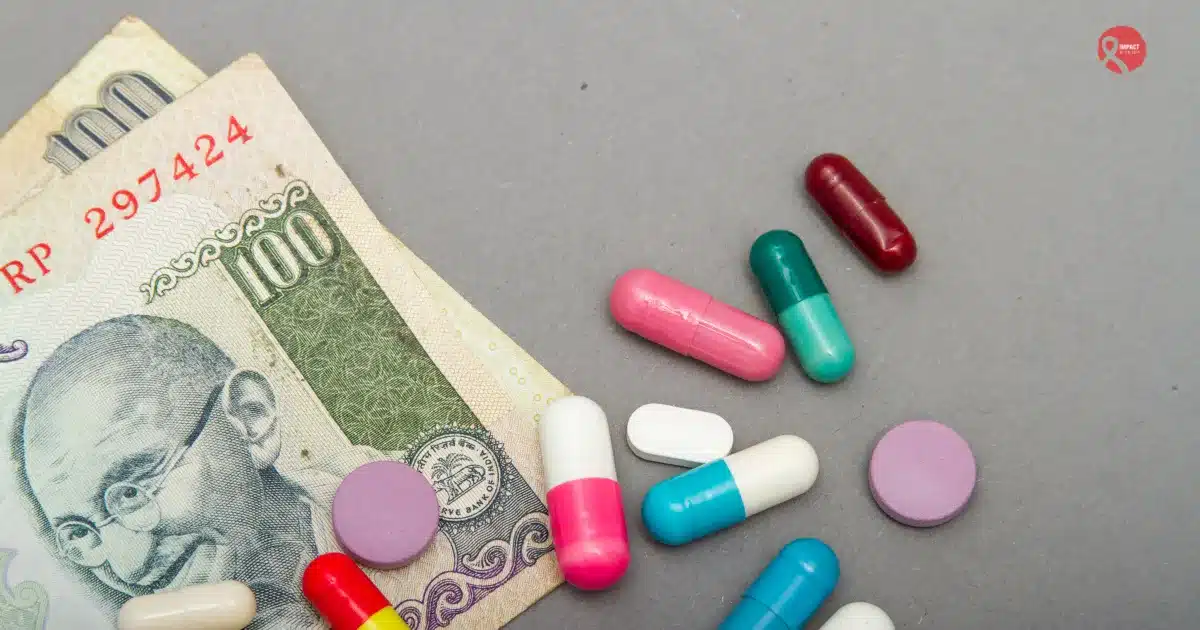
The cost of cancer treatment remains a major concern for many families, and cancer drug cost in India continues to be one of the biggest challenges for patients requiring long-term therapy. In the Union Budget 2026–27, the Government of India announced customs duty exemptions on selected cancer medicines, aiming to improve treatment affordability and access.
Many modern cancer treatments rely on expensive targeted therapy, immunotherapy, and specialised medicines that often need to be taken for several months or years. The customs duty exemption is expected to reduce import costs for certain advanced cancer drugs, which may gradually ease financial burden for patients.
This article explains what the budget decision includes, which cancer drugs are covered, and what patients should realistically expect regarding treatment costs.
Why Drug Costs Matter in Cancer Treatment
Cancer treatment often includes:
- Surgery
- Radiation therapy
- Chemotherapy
- Targeted therapy medicines
- Immunotherapy drugs
- Hormonal therapy
- Supportive medications
Among these, drug expenses frequently form a large part of treatment costs, especially in advanced cancers where newer therapies are required.
Budget policies that reduce import duties or encourage domestic availability can influence costs, but changes usually become visible gradually.
List of 17 Cancer Drugs Exempted from Customs Duty in Budget 2026–27
According to the official budget announcement, the following 17 cancer drugs and medicines have been added to the customs duty exemption list:
- Ribociclib
- Abemaciclib
- Talycabtagene autoleucel
- Tremelimumab
- Venetoclax
- Ceritinib
- Brigatinib
- Darolutamide
- Toripalimab
- Serplulimab
- Tislelizumab
- Inotuzumab ozogamicin
- Ponatinib
- Ibrutinib
- Dabrafenib
- Trametinib
- Ipilimumab
These medicines are commonly used in the treatment of cancers such as breast cancer, lung cancer, blood cancers, melanoma, prostate cancer, and other advanced malignancies depending on individual patient eligibility.
It is important to understand that these medicines are prescribed only for selected patients based on cancer type and medical suitability.
Will Treatment Become Cheaper Immediately?
Patients should note that:
- Price reductions may take time to reflect in hospital billing.
- Drug costs also depend on distributors and hospital procurement.
- Not all hospitals may show price changes simultaneously.
- Some medicines may still remain expensive even after duty reductions.
Therefore, treatment decisions should not be delayed in expectation of immediate cost reductions.
How This Decision May Help Patients Over Time
The customs duty exemption may gradually:
- Reduce import cost burden on certain advanced medicines
- Improve availability of newer therapies in India
- Encourage wider adoption of targeted and immunotherapy options
- Support hospitals in offering cost-effective treatment pathways
However, cost changes depend on implementation and supply-chain adjustments.
Practical Advice for Patients Concerned About Treatment Costs
Patients undergoing cancer treatment can consider:
- Discussing medicine options and alternatives with oncologists
- Asking about generic or biosimilar medicines when appropriate
- Checking insurance or government scheme eligibility
- Seeking financial counselling support available in hospitals
Early treatment planning usually improves outcomes more than waiting for expected policy benefits.
FAQ
- Will cancer drug prices reduce after Budget 2026–27?
Customs duty exemption may gradually lower import costs, but price reductions may not be immediate or uniform across hospitals. - Are all cancer patients eligible to receive these medicines?
No, These drugs are prescribed only for selected cancers based on medical evaluation. - Should treatment be delayed expecting cost reduction?
No, Treatment decisions should follow medical advice rather than anticipated price changes. - Are these medicines available in all hospitals?
Availability may vary depending on hospital facilities and procurement systems.
Important Clarification
Budget announcements may improve drug access over time, but cancer treatment decisions should always be guided by medical urgency and suitability rather than expected future price reductions.
Patients should consult their treating oncologist before making treatment decisions.
Key Takeaway
Customs duty exemption on selected cancer drugs in Budget 2026–27 may gradually improve treatment access in India, but timely and medically appropriate treatment remains the most important factor for patient outcomes.
Final Thoughts
Cancer care in India continues to evolve with improvements in drug availability and healthcare infrastructure. While policy measures can ease long-term access challenges, patient recovery still depends primarily on early diagnosis, correct treatment selection, and consistent medical follow-up.
Patients and caregivers should continue discussing treatment options and cost planning with qualified cancer specialist.