
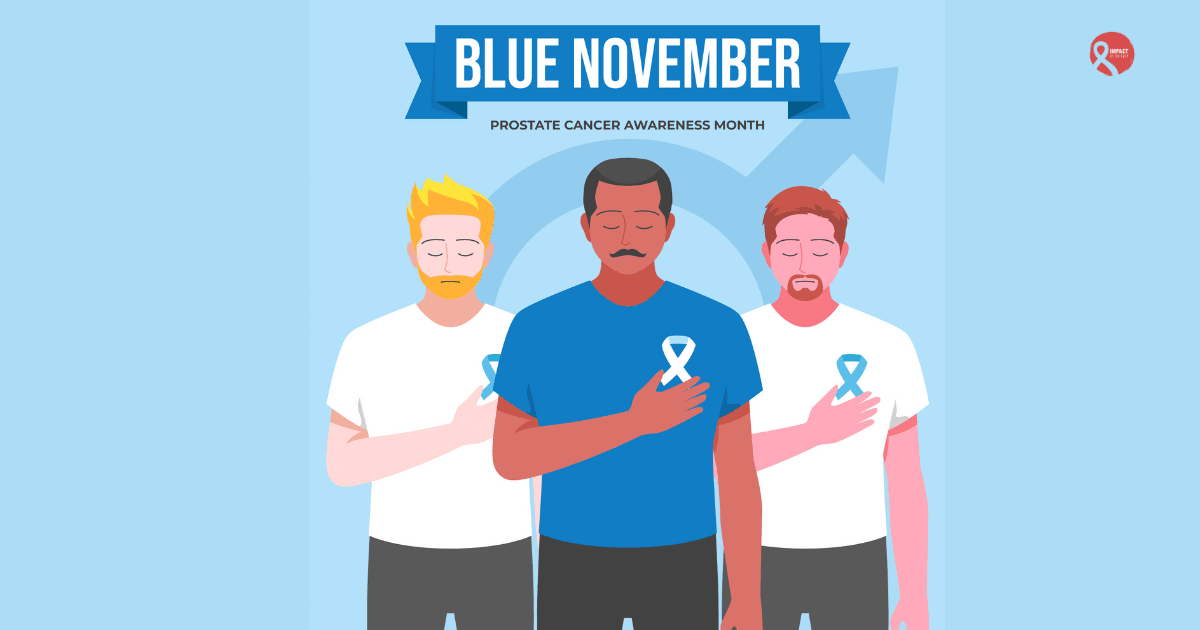
When it comes to conversations about cancer, much of the public focus often centers around breast or cervical cancer and rightly so. However, men’s cancers, such as prostate and testicular cancer, deserve equal attention. These cancers may not be discussed as openly, but they affect millions of men worldwide and can often be treated successfully when detected early.
Cancer awareness for men isn’t just about knowing the facts; it’s about recognizing early warning signs, getting regular screenings, and breaking the silence around men’s health. By doing so, we can encourage timely diagnosis and save lives.
This blog explores prostate and testicular cancer in depth their causes, symptoms, risk factors, prevention strategies, and how awareness can empower men to take control of their health.
Understanding Cancer Awareness in Men
Cancer awareness is the foundation of prevention and early detection. For men, this includes understanding the cancers that primarily affect them, such as:
- Prostate cancer – typically seen in men over 50
- Testicular cancer – more common in younger men, between 15 and 40
Awareness campaigns aim to:
- Educate men about early symptoms
- Encourage regular checkups and screening
- Break cultural and emotional barriers that prevent open discussion about health
Fact: According to the World Health Organization (WHO), prostate cancer is the second most common cancer among men globally, while testicular cancer, though less common, is highly curable when detected early.
Prostate Cancer: The Most Common Male Cancer
What Is Prostate Cancer?
The prostate is a small gland located below the bladder and in front of the rectum. It produces seminal fluid that nourishes and transports sperm.
Prostate cancer develops when the cells in the prostate gland grow uncontrollably, often forming tumors.
Key Risk Factors for Prostate Cancer
| Risk Factor | Details |
|---|---|
| Age | Risk increases significantly after 50 years |
| Family History | Men with a father or brother who had prostate cancer are at higher risk |
| Ethnicity | African-American men have a higher risk |
| Diet | High-fat diets, red meat, and low vegetable intake may increase risk |
| Lifestyle | Obesity, smoking, and physical inactivity can contribute |
Common Symptoms of Prostate Cancer
In early stages, prostate cancer often shows no symptoms, which makes screening critical. When symptoms appear, they may include:
- Difficulty in urination or weak urine flow
- Frequent urge to urinate, especially at night
- Pain or burning sensation while urinating
- Blood in urine or semen
- Pain in the lower back, hips, or thighs
Remember: Many of these symptoms can also occur due to benign prostate conditions like BPH (Benign Prostatic Hyperplasia), so it’s essential to get checked by a doctor for accurate diagnosis.
Diagnosis and Screening
Early detection saves lives. Two common tests are used for prostate cancer screening:
| Test Name | Purpose | How It Works |
|---|---|---|
| PSA Test (Prostate-Specific Antigen) | Measures PSA levels in blood | Elevated PSA may suggest cancer, but also other prostate issues |
| Digital Rectal Exam (DRE) | Physical check of prostate gland | Doctor checks for irregularities or lumps |
Recommended Screening Age:
- Men 50 and above (average risk)
- Men 45 and above (high risk or family history)
- Men 40 and above (very high risk, such as multiple family members with prostate cancer)
Treatment Options for Prostate Cancer
Treatment depends on the stage, overall health, and patient preference.
1. Active Surveillance – For slow-growing cancers; involves regular monitoring.
2. Surgery (Prostatectomy) – Removal of the prostate gland.
3. Radiation Therapy – Targets cancer cells using high-energy rays.
4. Hormone Therapy – Reduces male hormones that fuel cancer growth.
5. Chemotherapy or Immunotherapy – Used for advanced stages.
Good news: Most prostate cancers are treatable, and survival rates are high when diagnosed early.
Testicular Cancer: The Young Man’s Cancer
What Is Testicular Cancer?
Testicular cancer occurs in the testicles (testes), which are responsible for producing sperm and testosterone. Unlike prostate cancer, it mostly affects younger men, especially between ages 15 and 40.
Though it’s rare, testicular cancer is one of the most curable cancers, even in advanced stages.
Causes and Risk Factors
The exact cause isn’t fully known, but certain factors can increase the risk:
| Risk Factor | Details |
|---|---|
| Undescended Testicle (Cryptorchidism) | A major risk factor; men with this condition are several times more likely to develop testicular cancer |
| Family History | A father or brother with testicular cancer raises risk |
| Age | Most common in men between 15–40 years |
| HIV Infection | Slightly higher risk observed |
| Previous Testicular Cancer | Increases the risk of cancer in the other testicle |
Symptoms of Testicular Cancer
Unlike many cancers, testicular cancer often presents visible or physical changes.
Watch out for:
- Lump or swelling in one testicle (painless in most cases)
- Feeling of heaviness in the scrotum
- Dull ache in lower abdomen or groin
- Sudden fluid buildup in the scrotum
- Pain or discomfort in a testicle or scrotum
Tip: Men should perform a monthly self-exam after a warm shower to detect any unusual lumps early.
Diagnosis and Tests
Doctors use a combination of tests to diagnose testicular cancer accurately:
| Diagnostic Test | Purpose |
|---|---|
| Physical Examination | Checks for lumps, swelling, or irregularities |
| Ultrasound | Differentiates between benign and malignant masses |
| Blood Tests (Tumor Markers) | Detects substances like AFP, hCG, and LDH linked to testicular cancer |
| CT Scan / MRI | Determines if cancer has spread beyond the testicle |
Treatment Options for Testicular Cancer
Treatment depends on the type and stage but is highly successful.
Common Approaches:
- Surgery (Orchiectomy) – Removal of the affected testicle
- Radiation Therapy – Targets remaining cancer cells
- Chemotherapy – Used for advanced or metastatic cases
- Surveillance – Regular monitoring after treatment to ensure cancer hasn’t returned
Survival rate: More than 95% of men with testicular cancer are cured, especially when detected early.
Prostate vs Testicular Cancer
| Feature | Prostate Cancer | Testicular Cancer |
|---|---|---|
| Age Group Affected | Mostly men over 50 | Mostly men between 15–40 |
| Common Symptoms | Urinary issues, pain, blood in urine/semen | Lump/swelling in testicle, heaviness, dull ache |
| Screening | PSA test, DRE | Self-exam, ultrasound |
| Curability | High (if detected early) | Very high (even in later stages) |
| Prevention | Healthy lifestyle, regular screening | Self-exam, prompt medical checkups |
Prevention and Awareness Strategies
1. Know Your Family History
Genetics play a major role. If your father, brother, or uncle had prostate or testicular cancer, your risk increases significantly. Talk to your doctor about earlier screening.
2. Regular Health Checkups
Routine health visits, including PSA tests, DRE, and testicular self-exams, are essential for early detection.
3. Maintain a Healthy Lifestyle
- Eat a diet rich in fruits, vegetables, and whole grains
- Exercise regularly
- Limit red meat and processed foods
- Avoid smoking and excessive alcohol
4. Open Up About Men’s Health
Men often avoid discussing their health out of embarrassment or fear. Creating open conversations about men’s cancers can lead to timely diagnosis and better outcomes.
5. Awareness Campaigns
Movements like Movember (Men’s Health Month in November) focus on prostate and testicular cancer awareness, mental health, and fitness reminding men to prioritize health checkups.
When to See a Doctor
Seek medical attention if you experience:
- Persistent urinary problems
- Blood in urine or semen
- Unexplained lumps or swelling in testicles
- Pelvic or groin pain
- Sudden changes in sexual or reproductive health
Early consultation leads to better recovery and peace of mind.
FAQs on Cancer Awareness for Men
- Can young men get prostate cancer?
While rare, prostate cancer can occur in younger men, especially with a strong family history. - Is testicular cancer painful?
Not always, Many men feel a painless lump, which is why regular self-exams are crucial. - How can I check for testicular cancer at home?
Perform a monthly self-exam after a warm shower. Roll each testicle gently between your fingers to feel for lumps or irregularities. - Can diet affect prostate cancer risk?
Yes, A diet high in fruits, vegetables, and omega-3 fatty acids can lower risk, while processed meats and high-fat foods can increase it. - Are prostate and testicular cancers hereditary?
Family history increases risk. Men with a family member diagnosed should begin screening earlier.
Conclusion
Cancer awareness isn’t just a campaign slogan – it’s a lifesaving mindset. By understanding the risks of prostate and testicular cancer, men can take proactive steps toward prevention and early detection.
Regular screenings, healthy habits, and open conversations can make all the difference. Remember – the earlier cancer is found, the better the chances of successful treatment.
So, this Men’s Health Awareness Month, take a moment to check in with yourself, your friends, and your loved ones. Awareness, courage, and timely action can truly save lives.