
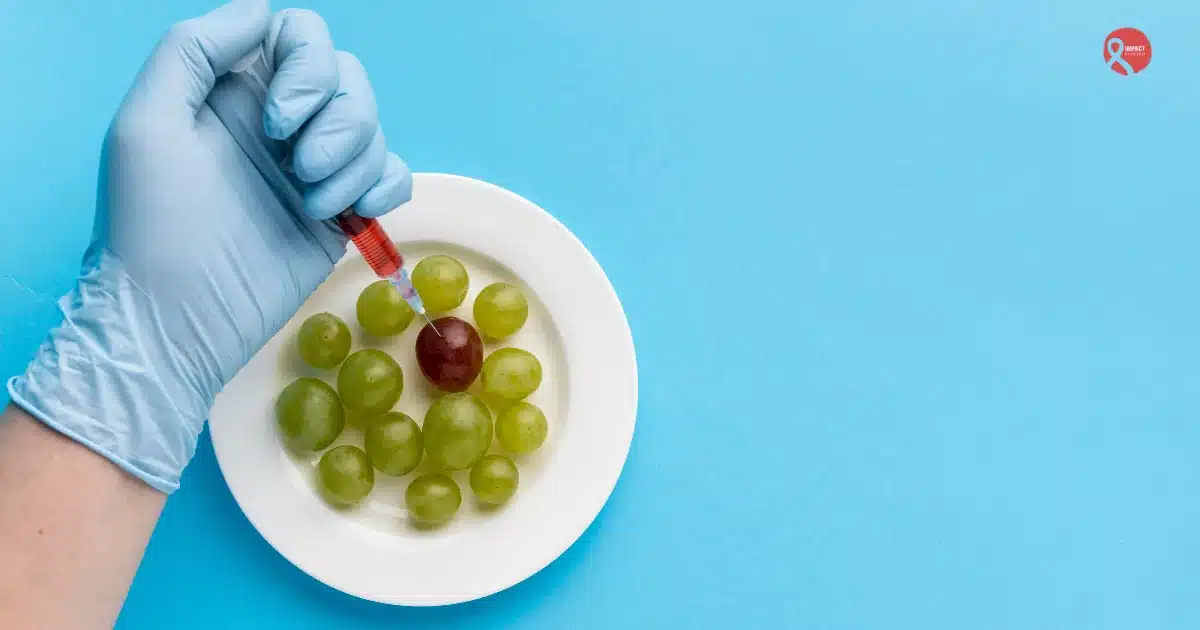
Food preservatives are commonly used to keep packaged foods fresh for longer and prevent spoilage. However, many people worry that preservatives may increase the risk of cancer. This concern often comes from confusing or incomplete information found online.
The truth is more balanced. While certain preservatives have been studied for potential health risks, preservatives alone are not a direct cause of cancer in most people. Understanding the facts can help you make healthier food choices without unnecessary fear.
What Are Food Preservatives?
Food preservatives are substances added to foods to:
- Prevent bacterial growth
- Increase shelf life
- Maintain taste, color, and texture
They are commonly found in processed and packaged foods such as ready-to-eat meals, snacks, cured meats, and beverages.
Preservatives and Cancer: Myths vs Facts
Myth 1: Preservatives are completely safe and have no health impact
Fact:
Some large observational studies have suggested that higher consumption of certain food preservatives is associated with an increased risk of some cancers, particularly when they are consumed regularly through processed foods. These findings highlight concerns about long-term exposure to additives commonly found in ultra-processed foods.
However, these studies do not prove direct cause-and-effect, and risk appears to be linked to frequent intake, not occasional consumption.
Myth 2: Only a few preservatives are concerning, so processed foods are mostly harmless
Fact:
Research has raised concerns about repeated exposure to multiple preservatives over time, especially when diets rely heavily on packaged and processed foods. While not all preservatives have shown a cancer association, the combined effect of additives, excess salt, and low nutritional value makes processed foods a less healthy choice overall.
This is why health experts recommend limiting processed foods, rather than focusing on individual chemicals alone.
Myth 3: If a food is legally approved, it cannot increase cancer risk
Fact:
Food additives are approved based on safety limits, but new research continues to evaluate long-term health effects. Observational studies have suggested links between frequent consumption of preserved foods and higher rates of certain cancers, prompting calls for better regulation, clearer labeling, and reduced reliance on ultra-processed foods.
Approval does not always mean “risk-free” when consumption is frequent and long-term.
Myth 4: Preservatives directly cause cancer
Fact:
Current evidence shows associations, not direct causation. Most studies are observational, meaning they identify patterns rather than definitive causes. Cancer risk is influenced by many factors, including overall diet quality, lifestyle, physical activity, tobacco use, and alcohol consumption.
Preservatives may contribute to risk as part of an unhealthy dietary pattern, not as a single cause.
Myth 5: Avoiding all preserved foods is the only way to reduce cancer risk
Fact:
Complete avoidance is neither practical nor necessary. The healthier approach is to:
- Reduce regular intake of ultra-processed foods
- Choose fresh, home-cooked meals whenever possible
- Focus on a balanced, nutrient-rich diet
Long-term eating habits matter far more than occasional exposure.
Why This Matters
Studies tracking large populations over time suggest that people who consume more processed foods tend to have higher cancer rates. While the increase in risk is often modest, the findings consistently support one message:
Less processed food and fewer additives is better for long-term health.
Which Preservatives Are Commonly Discussed?
Some preservatives that often come up in cancer discussions include:
- Nitrites and nitrates – found in processed meats
- Artificial food colors – found in sweets and soft drinks
- BHA and BHT – used in packaged snacks and cereals
- Sulfites – used in dried fruits and beverages
Current evidence shows that normal dietary exposure to most of these does not directly cause cancer, but frequent intake of ultra-processed foods should be limited.
What Increases Cancer Risk More?
Research shows that cancer risk is more strongly linked to:
- Regular intake of highly processed foods
- Low consumption of fruits and vegetables
- Obesity and lack of physical activity
- Smoking and alcohol use
Preservatives are a small part of a much larger picture.
Practical Tips for Patients and Families
Instead of avoiding all preserved foods, focus on balance:
- Choose fresh, home-cooked meals when possible
- Limit processed and packaged foods
- Read food labels and avoid frequent intake of processed meats
- Include plenty of fruits, vegetables, and whole grains
- Avoid extreme dietary restrictions based on fear
Healthy eating is about consistency, not perfection.
Important Note
This information is meant for general awareness. It cannot replace personalized dietary advice. Patients undergoing cancer treatment should discuss diet and nutrition with their oncologist.
Final Thoughts
Preservatives do not automatically cause cancer. When consumed occasionally and within safe limits, they are unlikely to pose a significant risk. Long-term eating habits and lifestyle choices play a far more important role in cancer prevention.
Making informed, balanced food choices is the healthiest approach without unnecessary fear or confusion.