
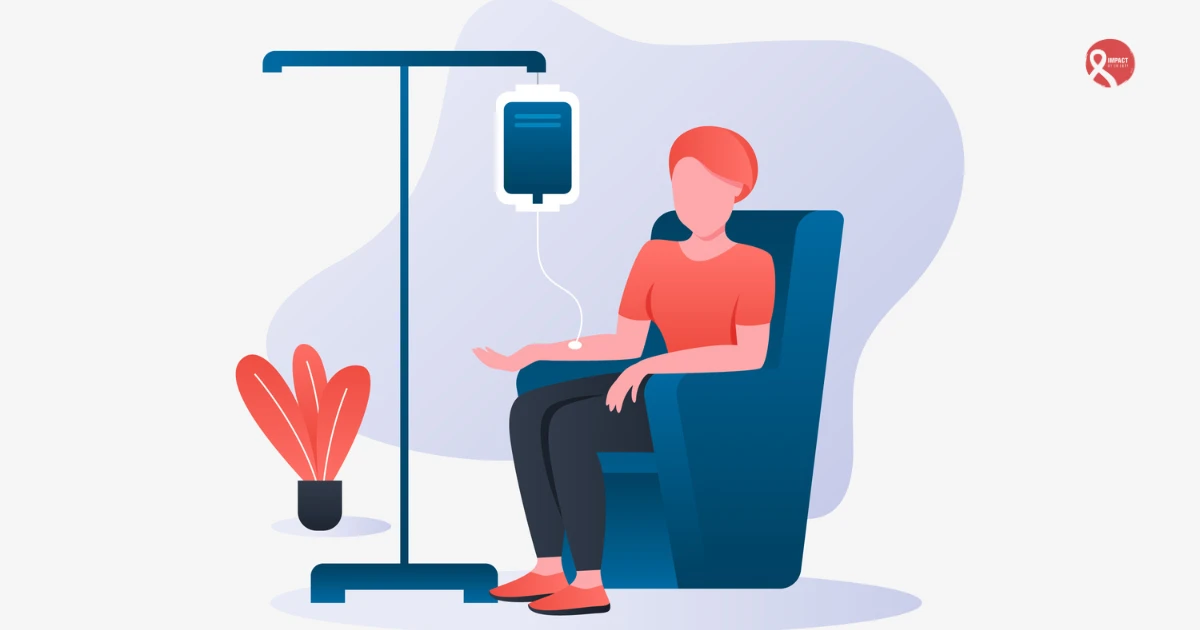
Chemotherapy remains one of the most powerful weapons we have against cancer. It has saved millions of lives, improved survival rates, and offered hope to patients across the world. But as effective as it is, chemotherapy also comes with a range of side effects, some mild and temporary, others more significant.
If you or a loved one is about to start chemotherapy, it’s natural to feel anxious about what to expect. Understanding the main side effects of chemotherapy, why they happen, and how they can be managed can make the journey less overwhelming and help you feel more prepared.
What Is Chemotherapy and How Does It Work?
Chemotherapy (often called “chemo”) is a type of cancer treatment that uses powerful drugs to kill rapidly dividing cells. Since cancer cells divide quickly, chemotherapy targets them but unfortunately, it can also affect some healthy cells that grow rapidly, such as:
- Hair follicle cells
- Cells in the digestive tract
- Blood-forming cells in the bone marrow
This is why chemotherapy can lead to a range of side effects. The type, intensity, and duration of these effects depend on factors such as:
- The type of chemotherapy drug used
- The dose and number of cycles
- Your overall health and age
- Whether chemotherapy is combined with other treatments (like radiation or targeted therapy)
The Most Common Side Effects of Chemotherapy
While chemotherapy affects everyone differently, some side effects are far more common than others. Below, we’ll break them down into categories for better understanding.
1. Fatigue and Weakness
One of the most frequently reported side effects is severe fatigue not just feeling tired, but an overwhelming exhaustion that doesn’t improve with rest.
Why it happens:
- Chemotherapy affects red blood cell production, leading to anemia.
- The body uses extra energy to repair healthy tissues damaged by chemo.
- Emotional and mental stress also contribute.
Tips to manage:
- Plan rest periods throughout the day.
- Maintain a balanced diet and stay hydrated.
- Light exercise, such as walking, can help boost energy levels.
2. Hair Loss (Alopecia)
Hair loss is one of the most visible and emotionally challenging side effects of chemotherapy.
Why it happens:
- Chemo attacks rapidly dividing cells including those in hair follicles.
- It can affect not just scalp hair, but also eyebrows, eyelashes, and body hair.
What to expect:
- Hair usually begins to thin or fall out 2-3 weeks after starting treatment.
- Most patients see hair regrowth within 3-6 months after chemo ends.
Tips to manage:
- Consider a short haircut before treatment starts.
- Use gentle hair care products and avoid heat styling.
- Explore scarves, wigs, or hats if it helps you feel more confident.
3. Nausea and Vomiting
These are among the most feared chemotherapy side effects but the good news is that they are much more manageable today than in the past.
Why it happens:
- Chemotherapy irritates the stomach lining and triggers nausea centers in the brain.
Tips to manage:
- Anti-nausea medications (antiemetics) prescribed by your doctor can be highly effective.
- Eat small, frequent meals and avoid greasy or spicy foods.
- Sip clear fluids throughout the day to stay hydrated.
4. Loss of Appetite and Taste Changes
Many patients experience changes in how food tastes some find everything bland, while others develop aversions to certain foods.
Why it happens:
- Chemotherapy affects taste buds and the digestive system.
- It can also cause mouth sores, making eating uncomfortable.
Tips to manage:
- Try new flavors or stronger seasonings to stimulate appetite.
- Eat nutrient-dense snacks even if meals feel overwhelming.
- Stay on top of hydration to avoid dehydration.
5. Mouth Sores (Oral Mucositis)
Painful mouth ulcers are another common chemotherapy side effect, often making eating and speaking difficult.
Why it happens:
- Chemotherapy damages the rapidly dividing cells in the mouth lining.
Tips to manage:
- Maintain good oral hygiene with a soft toothbrush.
- Avoid spicy, acidic, or rough-textured foods.
- Use prescribed mouth rinses to reduce discomfort.
6. Low Blood Cell Counts
Chemotherapy can suppress bone marrow function, leading to:
| Type of Cell Affected | Condition | Possible Effects |
|---|---|---|
| Red blood cells | Anemia | Fatigue, weakness, shortness of breath |
| White blood cells | Neutropenia | Increased infection risk |
| Platelets | Thrombocytopenia | Easy bruising, bleeding |
Tips to manage:
- Wash hands regularly and avoid crowds to reduce infection risk.
- Monitor for signs of anemia or bleeding and report them promptly.
- Your doctor may recommend growth factor injections or blood transfusions if needed.
7. Digestive Problems: Diarrhea or Constipation
Chemotherapy can disrupt the normal functioning of the digestive tract, leading to diarrhea, constipation, or both.
Tips to manage:
- Stay well-hydrated and eat a fiber-rich diet for constipation.
- Eat bland, low-fiber foods if experiencing diarrhea.
- Notify your doctor if symptoms are severe or persistent.
8. Skin and Nail Changes
Many chemotherapy drugs can cause changes in the skin, nails, and complexion.
Common changes include:
- Dryness, redness, or itching
- Darkening of the skin or nail beds
- Brittle or ridged nails
Tips to manage:
- Use fragrance-free moisturizers.
- Protect skin from sun exposure.
- Keep nails trimmed and avoid harsh manicures.
9. Cognitive Changes (“Chemo Brain”)
Some patients report difficulty concentrating, memory lapses, or mental fog during and after treatment, often referred to as “chemo brain”
Tips to manage:
- Keep a daily planner or notes for reminders.
- Focus on one task at a time.
- Engage in mental exercises and get adequate rest.
10. Emotional and Psychological Effects
Dealing with cancer and chemotherapy can be emotionally draining. Anxiety, depression, or mood swings are common and completely normal.
Tips to manage:
- Seek support from family, friends, or support groups.
- Consider counseling or therapy.
- Practice relaxation techniques such as meditation or deep breathing.
Main Side Effects of Chemotherapy and Management
| Side Effect | Why It Happens | Management Tips |
|---|---|---|
| Fatigue | Anemia, cell repair energy demand | Rest, balanced diet, light exercise |
| Hair loss | Damage to hair follicle cells | Gentle care, wigs/scarves |
| Nausea & vomiting | Stomach irritation, brain signals | Antiemetics, small meals |
| Mouth sores | Damage to oral cells | Soft foods, mouth rinses |
| Low blood counts | Bone marrow suppression | Monitor counts, growth factors |
| Digestive issues | Gut cell damage | Adjust diet, hydrate |
| Skin/nail changes | Cell damage | Moisturize, sun protection |
| Chemo brain | Impact on brain function | Notes, rest, cognitive exercises |
| Emotional changes | Psychological stress | Support groups, therapy |
Are Side Effects Permanent?
Most side effects of chemotherapy are temporary and improve once treatment is completed. Hair grows back, blood counts recover, and energy levels return to normal. However, in rare cases, some effects like nerve damage or fertility issues can be long-lasting. It’s important to discuss these risks with your oncologist before treatment begins.
Tips to Cope With Chemotherapy Side Effects
- Communicate openly: Always report new or worsening symptoms to your healthcare team.
- Stay proactive: Nutrition, hydration, and rest play a big role in how your body tolerates chemo.
- Lean on support: Emotional and psychological help is just as important as physical care.
- Ask about supportive medications: Many side effects can be prevented or reduced with medications.
Frequently Asked Questions (FAQ)
- Do all chemotherapy patients experience side effects?
Not necessarily. Some people experience very mild side effects, while others may have more intense reactions. It varies based on the individual and the drugs used. - Can side effects be prevented?
While not all side effects can be prevented, many can be minimized with preventive medications, lifestyle adjustments, and early intervention. - Will I lose all my hair?
Not always. Hair loss depends on the type of chemotherapy drug used. Some may cause partial thinning, while others lead to complete hair loss. - How long do side effects last after chemotherapy ends?
Most side effects improve within weeks to months after treatment ends. Some, like fatigue or cognitive changes, may take longer to resolve. - Are there long-term risks of chemotherapy?
Some long-term risks, such as heart or nerve damage, are possible but rare. Your oncologist in ahmedabad will monitor you closely to minimize these risks.
Final Thoughts
Chemotherapy is a powerful and often life-saving treatment but it does come with side effects. Understanding what to expect and how to manage these changes can make a big difference in your treatment journey. Remember, you are not alone your healthcare team is there to support you, and most side effects are manageable with the right care.
With advancements in cancer treatment, chemotherapy is becoming more targeted, side effects are more controllable, and outcomes are better than ever. Staying informed and proactive is the best way to navigate this journey with strength and confidence.