
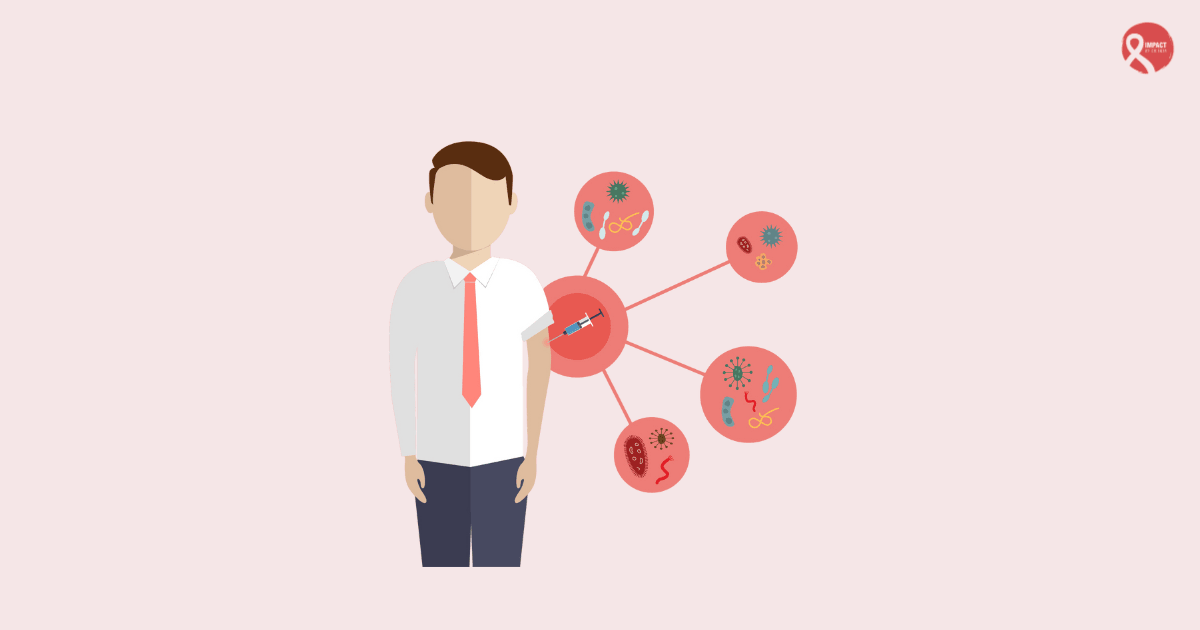
Immunotherapy is a groundbreaking treatment that helps the immune system fight cancer. It has transformed the way many cancers are treated and offers hope to patients who may not have responded well to other therapies. However, like all treatments, it comes with possible side effects. Understanding these side effects can help patients and caregivers manage them better and feel more in control of the treatment process.
In this blog, we will explain the common and rare side effects of immunotherapy, how to recognize them, and ways to manage them effectively. The content is written in simple, easy-to-understand language and includes helpful tips, a FAQ section, and practical resources to ensure you’re well-informed and prepared.
How Does Immunotherapy Work?
Immunotherapy works by boosting or modifying the body’s immune system to better recognize and attack cancer cells. Unlike chemotherapy or radiation, which directly target cancer cells, immunotherapy helps your body’s defense mechanisms do the work.
Types of immunotherapy:
- Immune checkpoint inhibitors
- CAR-T cell therapy
- Cancer vaccines
- Monoclonal antibodies
- Cytokine therapy
These treatments help the immune system by enhancing its response, but they can also cause it to attack healthy tissues, leading to side effects.
What Are the Common Side Effects of Immunotherapy?
The side effects of immunotherapy depend on the type of treatment, cancer being treated, and individual patient factors. Most side effects are manageable, especially if caught early.
Common side effects include:
- Fatigue and weakness
- Skin reactions like rash or itching
- Diarrhea or constipation
- Nausea or loss of appetite
- Flu-like symptoms (fever, chills, muscle aches)
- Swelling in the lymph nodes
- Dry mouth or mouth sores
These effects are generally mild to moderate and often go away after treatment ends or with supportive care.
Rare but Serious Side Effects
In some cases, immunotherapy can cause the immune system to attack healthy organs and tissues. These are called immune-related adverse events (irAEs) and require immediate medical attention.
Rare but serious side effects include:
- Lung inflammation (pneumonitis)
- Liver problems (hepatitis)
- Kidney dysfunction
- Heart inflammation (myocarditis)
- Endocrine gland issues (thyroid, adrenal gland problems)
- Severe allergic reactions
It’s important to report any unusual symptoms to your healthcare provider promptly.
How to Recognize and Manage Side Effects
Early recognition and proper management of side effects can improve your comfort and help you stay on track with treatment.
Tips for managing side effects:
- Keep a symptom diary to track changes
- Stay hydrated and maintain good nutrition
- Use prescribed creams or medications for skin reactions
- Practice relaxation techniques like meditation or breathing exercises
- Report symptoms like shortness of breath, chest pain, or severe fatigue immediately
- Attend all follow-up appointments and lab tests
Consulting your oncologist regularly ensures that side effects are treated before they become serious.
Side Effects by Immunotherapy Type- Quick Reference Table
| Immunotherapy Type | Common Side Effects | Serious Side Effects |
|---|---|---|
| Immune Checkpoint Inhibitors | Fatigue, rash, diarrhea | Lung inflammation, hepatitis |
| CAR-T Cell Therapy | Flu-like symptoms, swelling | Severe immune reactions, neurological issues |
| Cancer Vaccines | Pain at injection site, fever | Rare severe allergic reactions |
| Monoclonal Antibodies | Nausea, weakness | Heart inflammation, kidney problems |
| Cytokine Therapy | Muscle aches, chills | Organ inflammation, blood pressure issues |
This table helps patients and caregivers understand which symptoms are expected and which ones need urgent care.
Who Is More at Risk?
Not everyone will experience side effects in the same way. Some factors that increase the likelihood of side effects include:
Risk factors:
- Pre-existing autoimmune conditions
- Other ongoing treatments like chemotherapy
- Poor nutrition or dehydration
- Age and overall physical health
- Higher doses or aggressive regimens
Discussing your medical history thoroughly with your healthcare provider helps tailor the treatment to your needs and reduces risks.
When Should You Contact Your Doctor?
It’s essential to be proactive and consult your doctor when you notice changes in your health.
Contact your doctor if you experience:
- Severe shortness of breath
- Persistent chest pain
- Sudden confusion or dizziness
- High fever not responding to medication
- Severe diarrhea or abdominal pain
- Signs of infection like redness or pus at the injection site
Early intervention can prevent complications and keep the treatment on schedule.
Supporting Yourself During Immunotherapy
Managing side effects is not only about medication but also about emotional and mental well-being.
Support strategies:
- Build a support network with family and friends
- Join patient support groups for shared experiences
- Stay informed but avoid overwhelming sources
- Practice self-care routines like yoga, journaling, or reading
- Seek counseling if feelings of anxiety or depression arise
Emotional health plays a vital role in treatment outcomes and overall recovery.
Short FAQ Section
- Are side effects of immunotherapy permanent?
Most side effects are temporary and improve with proper care. However, some serious side effects may require long-term treatment. - Can lifestyle changes help manage side effects?
Yes, staying hydrated, eating balanced meals, and resting adequately can help alleviate many symptoms. - Should I stop treatment if I experience side effects?
Do not stop treatment on your own. Inform your doctor, who can adjust your care plan as needed. - Can side effects be prevented?
While not all side effects can be prevented, early monitoring and a healthy lifestyle can reduce their severity. - Is immunotherapy suitable for everyone?
Not everyone is a candidate. Your oncologist will assess your overall health and cancer type before recommending immunotherapy.
Final Thoughts
Immunotherapy has opened new doors for cancer treatment, offering hope where other therapies may have failed. However, like any treatment, it comes with side effects that require careful attention and management. Understanding these side effects, recognizing symptoms early, and maintaining a healthy routine can make a significant difference in how you feel during treatment.
Always communicate openly with your healthcare provider and reach out for help when needed. With the right support and self-care strategies, you can navigate the challenges of immunotherapy more confidently and focus on your recovery.