
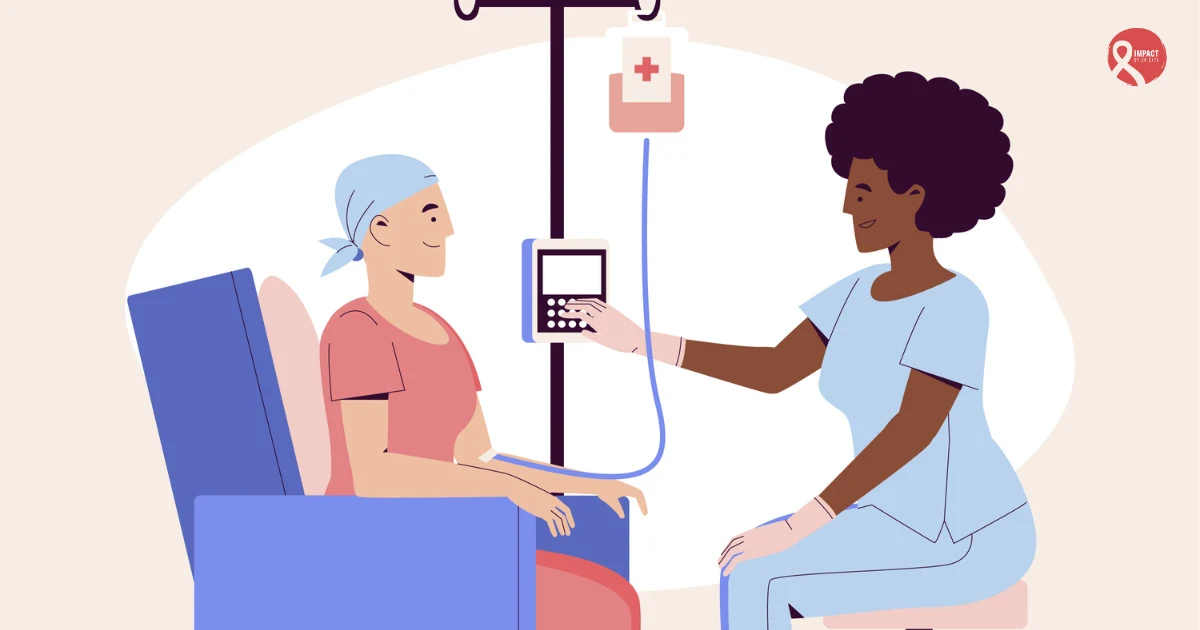
When a person is diagnosed with breast cancer, one of the first questions that arises is about treatment and among the most common and effective treatments is chemotherapy. Over the years, chemotherapy in breast cancer has evolved significantly, offering more targeted, effective, and tolerable options than ever before.
But what does chemotherapy really involve? How does it work? And is it always necessary for every patient?
In this comprehensive guide, we’ll explore everything you need to know from how chemotherapy fights breast cancer to the various types of treatment options, side effects, and the many ways it can improve outcomes and save lives.
Understanding Chemotherapy in Breast Cancer
Chemotherapy is a type of systemic cancer treatment that uses powerful drugs to destroy rapidly dividing cancer cells. Because cancer cells grow and divide much faster than most normal cells, chemotherapy targets them slowing their growth, shrinking tumors, and, in many cases, preventing the disease from coming back.
Key Goals of Chemotherapy:
- Eliminate cancer cells: Kill cancer cells that remain after surgery or other treatments.
- Shrink tumors: Make large tumors smaller before surgery (neoadjuvant chemotherapy).
- Prevent recurrence: Reduce the chances of cancer returning in the future.
- Treat metastasis: Control cancer that has spread to other parts of the body.
When Is Chemotherapy Used in Breast Cancer?
Not every breast cancer patient requires chemotherapy. The decision depends on several factors such as cancer stage, type, growth rate, and hormone receptor status.
Here’s a breakdown of when chemotherapy may be recommended:
| Type of Chemotherapy | When It’s Given | Purpose |
|---|---|---|
| Neoadjuvant | Before surgery | Shrink tumor for easier removal |
| Adjuvant | After surgery | Kill remaining cancer cells |
| Metastatic (Palliative) | Advanced-stage cancer | Control symptoms and improve quality of life |
Types of Chemotherapy Drugs Used in Breast Cancer
Chemotherapy isn’t a one-size-fits-all treatment. There are several types of drugs often used in combination depending on the patient’s individual case.
Common Chemotherapy Classes:
- Anthracyclines: e.g., doxorubicin, epirubicin – Interfere with DNA replication.
- Taxanes: e.g., paclitaxel, docetaxel – Block cell division.
- Alkylating agents: e.g., cyclophosphamide – Damage DNA to prevent cell growth.
- Antimetabolites: e.g., 5-fluorouracil – Disrupt cancer cell metabolism.
- Platinum agents: e.g., carboplatin – Often used in aggressive or triple-negative breast cancers.
Chemotherapy drugs may be given orally (pills) or intravenously (IV infusion). Treatment usually occurs in cycles, allowing the body time to recover between doses.
Benefits of Chemotherapy in Breast Cancer
Despite its challenges, chemotherapy remains one of the most powerful tools against breast cancer. Here’s why it’s still widely used:
Key Benefits:
- Improves survival rates: Reduces the risk of recurrence and improves long-term survival.
- Destroys hidden cancer cells: Targets cancer that may have spread beyond the primary tumor site.
- Shrinks tumors before surgery: Allows for less extensive surgery and better cosmetic outcomes.
- Effective in aggressive cancers: Particularly important for triple-negative and HER2-positive cancers.
- Can make other treatments more effective: Works well when combined with surgery, radiation, targeted therapy, or hormonal therapy.
Chemotherapy for Different Types of Breast Cancer
The treatment approach can vary depending on the subtype of breast cancer. Here’s how chemotherapy fits into various scenarios:
| Type of Breast Cancer | Role of Chemotherapy |
|---|---|
| Hormone receptor-positive | Often used if cancer is large, high-grade, or has spread to lymph nodes. |
| HER2-positive | Typically combined with targeted drugs like trastuzumab for better results. |
| Triple-negative | Chemotherapy is the main treatment option due to lack of hormone or HER2 targets. |
| Inflammatory breast cancer | Usually started with neoadjuvant chemotherapy to shrink the tumor. |
Managing Common Side Effects of Chemotherapy
Chemotherapy is effective, but it can also affect healthy cells, especially those that divide quickly, like cells in the hair, gut, and bone marrow. This can lead to side effects, but the good news is that most are temporary and manageable.
Common Side Effects:
- Fatigue and weakness
- Nausea and vomiting
- Hair loss
- Increased risk of infections
- Mouth sores
- Loss of appetite or taste changes
- Menstrual changes or early menopause
Coping Strategies:
- Nutrition: Eat small, balanced meals and stay hydrated.
- Rest: Prioritize sleep and schedule activities around your energy levels.
- Infection prevention: Wash hands regularly and avoid crowded places.
- Support: Join cancer support groups for emotional and mental well-being.
Today’s treatments are much more tolerable, thanks to improved anti-nausea medications, growth factor support, and personalized care plans.
Chemotherapy vs Other Breast Cancer Treatments
It’s common to combine chemotherapy with other treatments for better results. Here’s how it compares:
| Treatment Type | Purpose | Used With Chemotherapy? |
|---|---|---|
| Surgery | Removes tumor | Yes, before or after |
| Radiation therapy | Destroys residual cancer cells | Often, after chemotherapy |
| Hormone therapy | Blocks hormones fueling cancer | Sometimes, post-chemotherapy |
| Targeted therapy | Attacks specific cancer molecules | Often used together |
| Immunotherapy | Boosts immune system to fight cancer | Sometimes, for advanced cases |
Advances in Chemotherapy: Personalized Treatment
Modern chemotherapy is no longer a “one-size-fits-all” approach. Today, oncologists personalize treatment based on:
- Genetic testing: Helps identify which patients will benefit most from chemotherapy.
- Tumor profiling: Reveals specific mutations to tailor drug combinations.
- Dose-dense schedules: Shorter intervals between cycles to improve outcomes.
- Combination therapies: Blending chemotherapy with targeted drugs or immunotherapy.
This personalized approach improves effectiveness while reducing unnecessary side effects.
Life After Chemotherapy: What to Expect
Finishing chemotherapy is a major milestone but it’s only part of the cancer journey. Recovery is both physical and emotional, and it often takes time.
Post-Treatment Tips:
- Regular follow-ups: Essential for early detection of recurrence.
- Healthy lifestyle: Eat well, stay active, and maintain a healthy weight.
- Emotional support: Seek counseling or join support groups.
- Rehabilitation: Physical therapy can help with fatigue or mobility issues.
FAQs About Chemotherapy in Breast Cancer
- Will I need chemotherapy if my breast cancer is early stage?
A: Not always. Your doctor will decide based on tumor size, grade, lymph node involvement, and genetic test results. - Can chemotherapy completely cure breast cancer?
A: It can eliminate cancer cells and significantly reduce recurrence risk, but a complete cure often depends on a combination of treatments. - How long does chemotherapy treatment last?
A: Most chemotherapy regimens last 3 to 6 months, but it may vary based on cancer type and treatment plan. - Will I lose my hair during chemotherapy?
A: Hair loss is common with certain drugs, but it’s temporary. Hair usually grows back after treatment. - Can I continue working during chemotherapy?
A: Many people can work during treatment, but fatigue may require adjustments to your schedule.
Final Thoughts
Chemotherapy in breast cancer remains one of the most important and effective tools in the fight against cancer. While it can be challenging, advances in treatment have made it more targeted, tolerable, and successful than ever before.
From shrinking tumors before surgery to eliminating microscopic cancer cells and improving survival rates, chemotherapy plays a crucial role in saving lives. If you or a loved one are facing breast cancer, remember – every treatment decision is deeply personal and best made in partnership with your oncology team.
With the right treatment plan, support, and care, there is hope, healing, and life beyond cancer.