
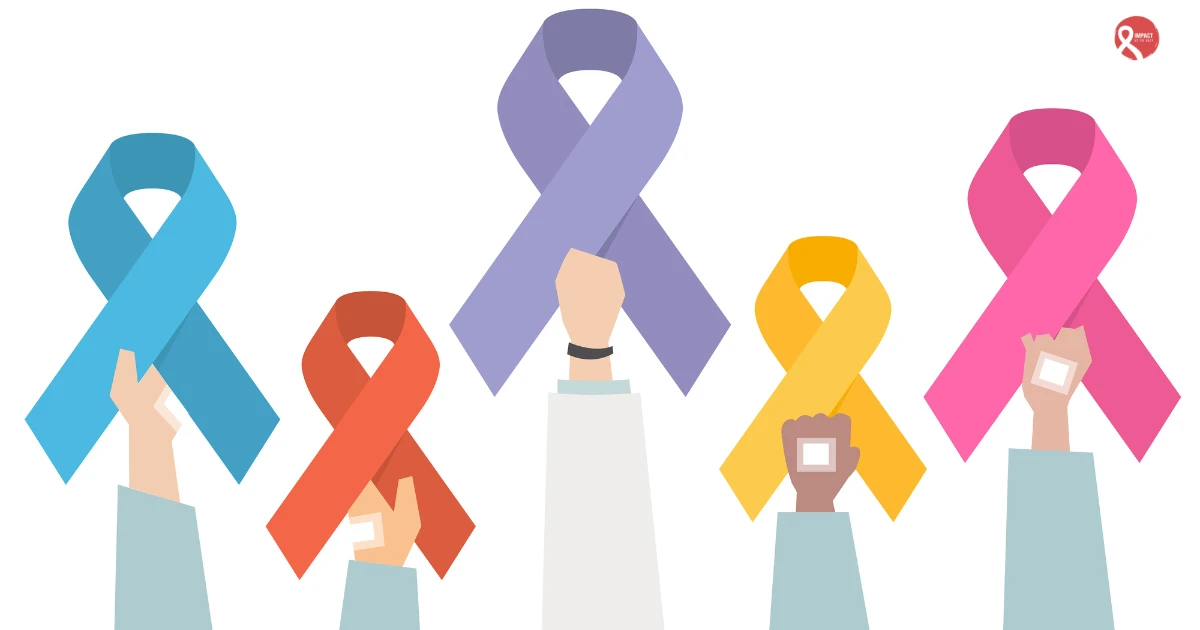
When it comes to health, early detection can truly save lives. Cancer often starts quietly with small, almost unnoticeable changes in the body. But recognizing these early signs of cancer can make a big difference in diagnosis, treatment success, and long-term recovery.
In this guide, we’ll help you understand what early warning signs to watch out for, why they matter, and when to seek medical attention. The goal is simple to empower you with awareness so you can take timely action for yourself or your loved ones.
Why Early Detection of Cancer Matters
Catching cancer early often means it’s smaller, localized, and more treatable. According to the World Health Organization (WHO), up to 30–50% of cancers can be prevented or detected early with regular screening and awareness.
Here’s why early recognition is vital:
- Better treatment outcomes: Early-stage cancers usually respond better to therapy.
- Less invasive procedures: Early detection may mean simpler surgeries or limited treatment.
- Improved survival rates: The earlier cancer is detected, the higher the survival rate.
- Quality of life: Early intervention reduces complications and improves overall well-being.
Common Early Warning Signs of Cancer
Cancer can appear in different parts of the body, and symptoms often depend on where it begins. However, some general warning signs should never be ignored.
| Common Sign | Possible Cause / Type of Cancer | When to See a Doctor |
|---|---|---|
| Unexplained weight loss | Digestive cancers, lung cancer, pancreatic cancer | If you lose >5 kg without trying |
| Persistent fatigue | Leukemia, colon cancer, lymphoma | If rest doesn’t help or lasts >2 weeks |
| Lumps or swelling | Breast, testicular, or lymphatic cancers | If new or growing over time |
| Changes in skin or moles | Skin cancer or melanoma | If mole changes shape, size, or color |
| Persistent cough or hoarseness | Lung, throat, or thyroid cancer | If it lasts more than 3 weeks |
| Changes in bowel or bladder habits | Colon, rectal, or bladder cancer | If blood is seen or habits change suddenly |
| Non-healing sores | Oral, skin, or genital cancers | If the sore doesn’t heal within 2–3 weeks |
| Abnormal bleeding or discharge | Cervical, uterine, or colon cancer | Any unusual vaginal or rectal bleeding |
| Difficulty swallowing | Throat or esophageal cancer | Persistent discomfort while eating |
| Persistent pain | Bone, ovarian, or pancreatic cancer | If pain is unexplained and ongoing |
These symptoms don’t always mean cancer but they do mean your body needs attention. Always consult a doctor for proper evaluation.
Specific Signs of Cancer by Body System
Each type of cancer has its own telltale signs. Let’s look at some specific body areas and the symptoms linked to them.
1. Breast Cancer
- Lump or thickened area in the breast or underarm
- Changes in breast shape or size
- Dimpling or puckering of the skin
- Discharge from the nipple (especially if bloody)
- Persistent pain in one area of the breast
Self-Check Tip:
Perform a monthly self-breast examination a few days after your period ends. Look and feel for any unusual changes.
2. Lung Cancer
- A cough that doesn’t go away or worsens
- Shortness of breath or chest pain
- Coughing up blood
- Repeated lung infections like pneumonia
- Hoarseness or voice changes
Prevention Insight:
Avoid smoking, secondhand smoke, and long-term exposure to pollution or chemicals.
3. Cervical and Uterine Cancer
- Irregular vaginal bleeding (between periods or after menopause)
- Pelvic pain or pressure
- Unusual discharge with odor
- Pain during intercourse
Early Detection Tip:
Get a Pap smear and HPV test regularly as advised by your gynecologist. These simple tests can detect pre-cancerous changes early.
4. Oral Cancer
- White or red patches inside the mouth
- Non-healing mouth ulcers
- Difficulty chewing or swallowing
- Persistent sore throat or ear pain
Awareness Point:
Oral cancer is common among tobacco users, including chewing tobacco and betel nut.
5. Colorectal (Colon) Cancer
- Blood in stool or black, tarry stools
- Sudden changes in bowel habits – diarrhea or constipation
- Abdominal pain or bloating
- Unexplained weight loss
Screening Tip:
A colonoscopy after age 45 (or earlier if you have a family history) can detect early changes before cancer develops.
6. Skin Cancer
- New mole or lesion that changes shape, size, or color
- A sore that doesn’t heal
- Itching, bleeding, or crusting spots
Prevention Insight:
Use sunscreen daily, avoid tanning beds, and check your skin regularly using the ABCDE rule:
| A | Asymmetry | One half of the mole doesn’t match the other |
|---|---|---|
| B | Border | Edges are irregular or blurred |
| C | Color | Uneven color or multiple shades |
| D | Diameter | Larger than 6mm (pencil eraser size) |
| E | Evolving | Changes over time in size or color |
7. Blood-Related Cancers (Leukemia, Lymphoma)
- Persistent fatigue or weakness
- Recurrent infections
- Easy bruising or bleeding
- Swollen lymph nodes (neck, armpit, or groin)
- Fever or night sweats
Note:
Blood tests like CBC (Complete Blood Count) can help detect abnormalities early.
When to See a Doctor
You should consult your healthcare provider if you notice any of the following:
- Persistent or unexplained symptoms for more than 2–3 weeks
- Unusual bleeding or discharge
- Changes in moles, lumps, or skin growths
- Family history of cancer combined with new symptoms
- Sudden fatigue, fever, or weight loss without reason
Don’t delay medical advice. The earlier you act, the better your chances for effective treatment.
How to Stay Proactive About Cancer Prevention
While not all cancers can be prevented, certain lifestyle choices significantly reduce risk.
Healthy Habits for Cancer Prevention:
- Avoid tobacco and limit alcohol consumption.
- Eat a balanced diet rich in fruits, vegetables, and whole grains.
- Exercise regularly at least 30 minutes a day.
- Maintain a healthy weight.
- Get vaccinated (like HPV and Hepatitis B).
- Schedule regular screenings based on your age and family history.
Suggested Cancer Screenings by Age Group
| Age Group | Recommended Screenings |
|---|---|
| 20–30 years | Self-breast exams, HPV vaccination, oral check-ups |
| 30–40 years | Pap smear every 3 years, skin checks |
| 40–50 years | Mammogram, colon screening, thyroid checks |
| 50+ years | Prostate exam (for men), colonoscopy, full-body check-up |
Understanding That Symptoms Don’t Always Mean Cancer
It’s important not to panic. Many of these signs can also result from infections, hormonal changes, or other non-cancerous conditions.
The key is awareness and timely evaluation not self-diagnosis.
Early detection through screening, self-exams, and regular health check-ups can make a life-saving difference.
Short FAQ: Signs of Cancer
- Are cancer symptoms always painful?
No, Many early-stage cancers cause no pain at all. That’s why noticing subtle changes is so important. - Can fatigue alone mean cancer?
Not necessarily, Fatigue can come from stress, lack of sleep, or other conditions. But if it persists without clear reason, consult your doctor. - How do doctors confirm cancer?
Usually through a combination of tests such as imaging (CT, MRI), blood work, biopsies, and pathology reports. - Can healthy people get cancer?
Yes, even healthy individuals can develop cancer due to genetic or environmental factors. However, healthy habits lower the risk. - Is cancer always hereditary?
Only about 5–10% of cancers are due to inherited genes. Most occur due to lifestyle or random DNA mutations.
Final Thoughts
Recognizing the early signs of cancer isn’t about living in fear it’s about staying informed, aware, and proactive. Listening to your body and seeking medical help promptly can make all the difference.
If you notice any unusual changes, don’t wait it out. Book a check-up with your healthcare provider. Remember, early detection saves lives and awareness is the first step.